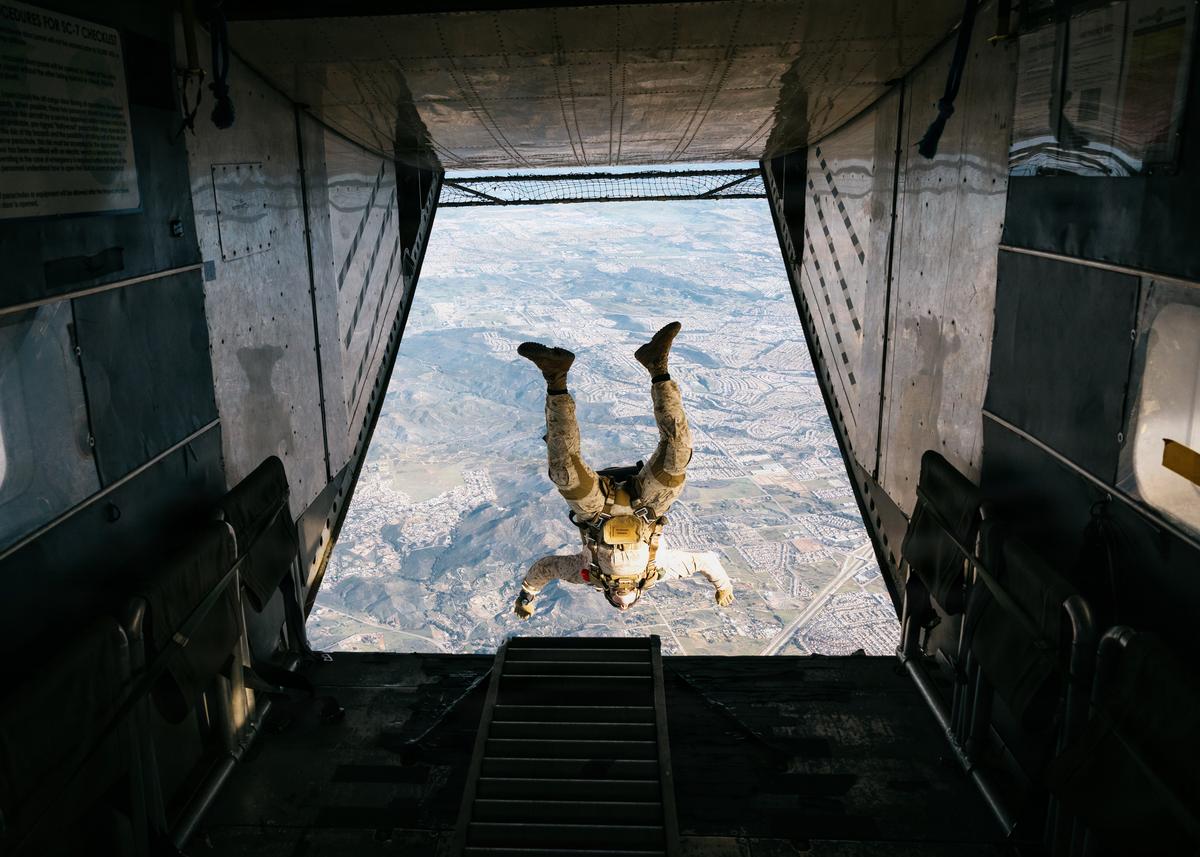
US Marine Corps Replaces Basic Reconnaissance Course with Expanded Training
Why It Matters
Modernizing recon training equips Marines with faster, more versatile skill sets essential for the Corps’ evolving expeditionary role and supports the broader Force Design push toward distributed, high‑tempo operations.
Key Takeaways
- •New Ground Reconnaissance Course replaces Basic Reconnaissance Course
- •Course integrates Infantry Rifleman Course, cutting wait times
- •Training aligns with Marine Corps 2030 Force Design objectives
- •Amphibious Reconnaissance Course adds specialized aquatic operations training
- •Graduates receive MOS 0321, becoming official Reconnaissance Marines
Pulse Analysis
The Marine Corps’ decision to retire the Basic Reconnaissance Course reflects a strategic pivot toward more agile, intelligence‑centric forces. By consolidating foundational training into the Ground Reconnaissance Course, the service reduces bottlenecks that previously delayed non‑infantry Marines from acquiring essential combat skills. The inclusion of the Infantry Rifleman Course early in the pipeline ensures that every recon candidate possesses a solid infantry foundation, a prerequisite for the demanding land‑navigation, surveillance, and weapons tasks that define modern reconnaissance missions.
Central to the curriculum overhaul is its alignment with the 2030 Force Design roadmap, which calls for lighter, more distributed units capable of operating in contested littoral environments. The Amphibious Reconnaissance Course complements the GRC by honing aquatic maneuvering, amphibious planning, and sensor integration—capabilities that directly support the Marine Air‑Ground Task Force’s need for rapid, sea‑to‑land intelligence collection. This dual‑track approach not only broadens the skill set of recon Marines but also enhances interoperability with joint and allied forces that increasingly rely on joint maritime‑land operations.
For the Corps, the revamped training pipeline promises quicker throughput of qualified reconnaissance Marines, bolstering readiness as geopolitical pressures intensify in the Indo‑Pacific and other regions. Graduates earn the coveted MOS 0321, positioning them for elite assignments and future leadership roles within the Ground Combat Element. In the broader defense landscape, a more capable recon community strengthens the United States’ ability to gather timely, actionable intelligence, thereby improving decision‑making across the full spectrum of conflict.
US Marine Corps replaces Basic Reconnaissance Course with expanded training
Comments
Want to join the conversation?
Loading comments...