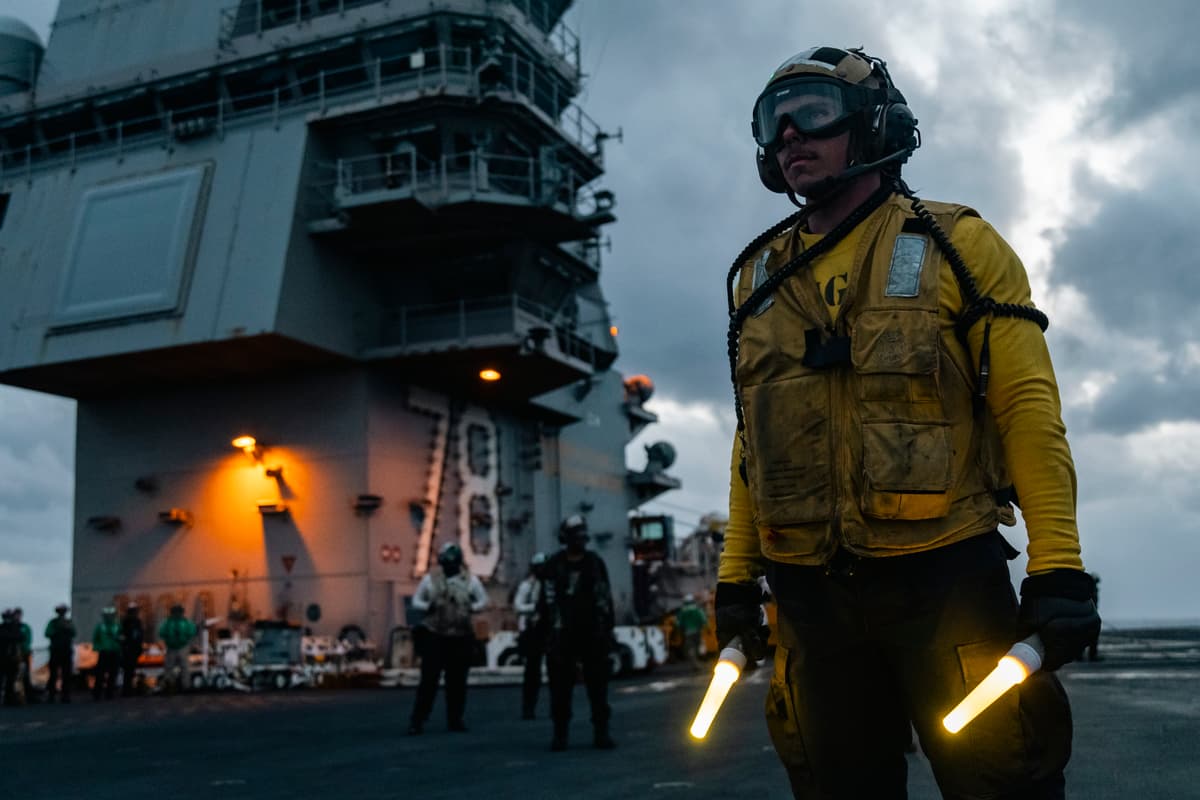
US Military Assets Flock to Middle East Amid Iran Standoff
•February 19, 2026
0
Why It Matters
The buildup raises the risk of direct conflict, influencing global oil markets and defense spending, while also testing U.S. power‑projection limits.
Key Takeaways
- •USS Gerald R. Ford joins dozen carriers in CENTCOM area.
- •US air assets include F‑22, F‑35, and refueling tankers.
- •Trump will decide on Iranian strike within ten days.
- •Iran threatens to sink U.S. warships via missile retaliation.
- •Carrier deployment raises maintenance and crew strain concerns.
Pulse Analysis
The United States is intensifying its posture toward Tehran at a moment when nuclear negotiations are at a delicate juncture. Deploying the USS Gerald R. Ford, the most advanced carrier in the fleet, signals a willingness to back diplomatic overtures with credible force. Historically, carrier groups have served as floating bargaining chips, projecting power without immediate ground engagement. In the current standoff, the presence of a dozen warships and a suite of high‑end aircraft underscores Washington’s intent to keep Iran within a narrow diplomatic corridor while retaining the option for rapid escalation.
Operationally, the carrier’s capabilities are amplified by a layered air component that includes stealth fighters, electronic‑warfare platforms, and aerial refueling assets. This combination enables up to 120 sorties per day, extending strike reach deep into Iranian airspace. However, the Ford’s extended deployment raises logistical challenges: its sophisticated systems demand regular maintenance, and the 4,000‑strong crew faces fatigue after months at sea. Naval leadership has warned that prolonged missions could strain readiness, prompting discussions about alternative force allocations or rotation schedules to preserve combat effectiveness.
Diplomatically, indirect talks in Geneva have produced modest progress, yet substantial gaps remain. The military buildup serves both as pressure and as insurance, influencing Tehran’s calculus while reassuring regional allies. Market participants watch closely, as any escalation could disrupt oil flows through the Strait of Hormuz, spiking prices. Defense contractors also stand to benefit from heightened procurement cycles. Ultimately, the United States must balance the credibility of its threat with the risks of overextension, a calculus that will shape Middle‑East stability for months to come.
US military assets flock to Middle East amid Iran standoff
0
Comments
Want to join the conversation?
Loading comments...