Defense News and Headlines
  • All Technology
  • AI
  • Autonomy
  • B2B Growth
  • Big Data
  • BioTech
  • ClimateTech
  • Consumer Tech
  • Crypto
  • Cybersecurity
  • DevOps
  • Digital Marketing
  • Ecommerce
  • EdTech
  • Enterprise
  • FinTech
  • GovTech
  • Hardware
  • HealthTech
  • HRTech
  • LegalTech
  • Nanotech
  • PropTech
  • Quantum
  • Robotics
  • SaaS
  • SpaceTech
AllNewsDealsSocialBlogsVideosPodcastsDigests

Defense Pulse

EMAIL DIGESTS

Daily

Every morning

Weekly

Sunday recap

NewsDealsSocialBlogsVideosPodcasts
DefenseNewsUS Military Boards Sanctioned Oil Tanker in Indian Ocean
US Military Boards Sanctioned Oil Tanker in Indian Ocean
DefenseEnergyCommodities

US Military Boards Sanctioned Oil Tanker in Indian Ocean

•February 9, 2026
0
Military Times
Military Times•Feb 9, 2026

Companies Mentioned

X (formerly Twitter)

X (formerly Twitter)

Why It Matters

The boarding signals heightened U.S. enforcement of oil sanctions, disrupting illicit supply chains that finance Venezuela’s regime and threaten regional energy security. It also reinforces pressure on Cuba’s oil imports, aligning with broader geopolitical objectives.

Key Takeaways

  • •US Navy intercepted Panama‑flagged Aquila II in Indian Ocean
  • •Tanker linked to Venezuelan and illicit Russian oil sanctions
  • •Vessel operated “dark,” disabling transponder for months
  • •No crude aboard during boarding, seizure unclear
  • •Action underscores US pressure on Venezuela‑Cuba oil network

Pulse Analysis

The recent maritime interdiction of the Aquila II highlights the Pentagon’s expanding use of naval assets to enforce complex sanctions regimes. By tracking the vessel from the Caribbean to the Indian Ocean, U.S. Southern Command demonstrated sophisticated satellite and intelligence capabilities that can locate ships even when they "run dark" by disabling AIS transponders. This case underscores how shadow fleets, often registered under neutral flags like Panama, are leveraged to move sanctioned crude from Venezuela and illicit Russian sources, complicating global compliance monitoring.

Beyond the tactical success, the boarding reflects a strategic shift following the surprise removal of Nicolás Maduro earlier this year. The Trump administration has framed the seizure of Venezuelan‑linked tankers as a dual‑purpose effort: to deprive the former regime of revenue and to curtail oil shipments destined for Cuba, a long‑standing U.S. adversary. Recent executive orders targeting goods from countries that supply Cuban oil amplify this pressure, signaling that the United States will employ both diplomatic and kinetic tools to reshape regional energy flows and bolster its own geopolitical leverage.

For the broader shipping industry, the incident serves as a warning that compliance risks are rising. Operators of vessels that engage in opaque routing or frequent transponder shutdowns may face boarding, fines, or outright seizure, which can disrupt supply chains and increase insurance premiums. Market participants are likely to reassess routes involving the Caribbean and Latin America, while regulators may tighten reporting requirements to deter illicit oil movements. Ultimately, sustained enforcement actions like the Aquila II boarding could reshape the illicit oil market, driving it toward greater transparency—or pushing it further underground, with implications for global oil prices and energy security.

US military boards sanctioned oil tanker in Indian Ocean

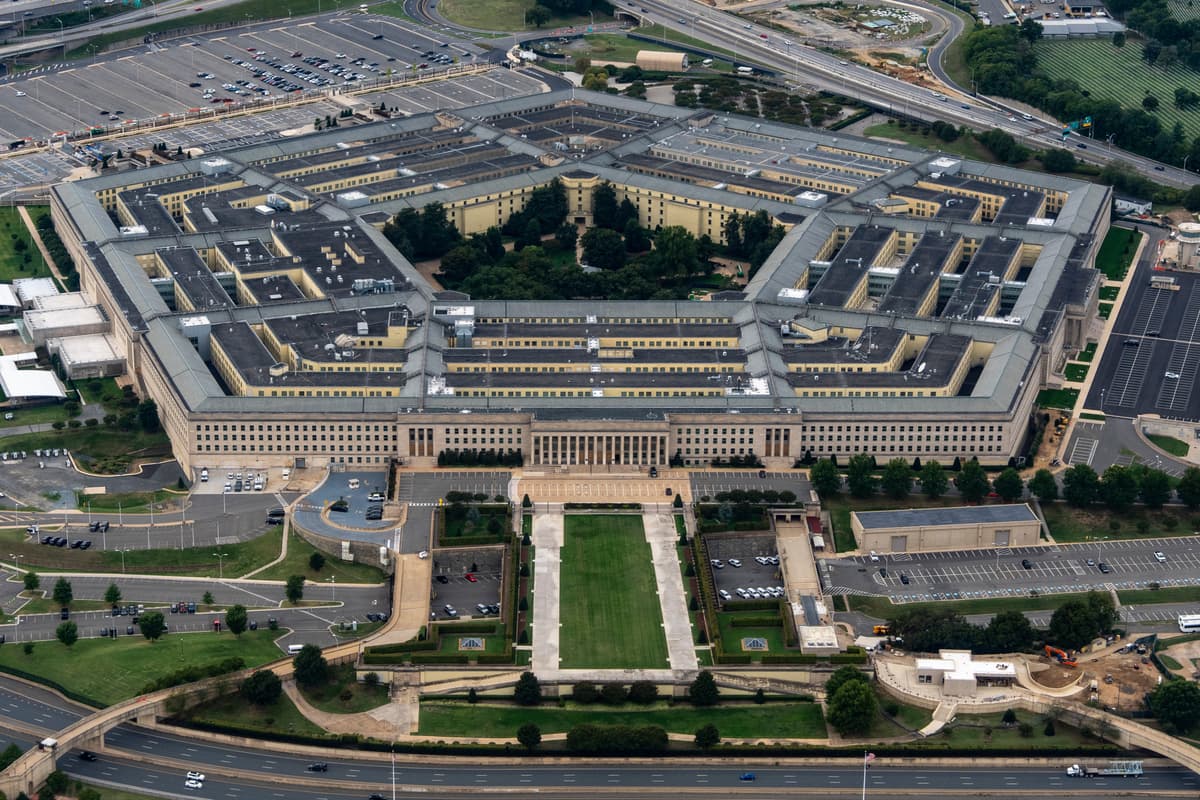
U.S. military forces boarded a sanctioned oil tanker in the Indian Ocean after tracking the ship from the Caribbean Sea, the Pentagon said Monday.

The Pentagon’s statement on social media did not say whether the ship was connected to Venezuela, which faces U.S. sanctions on its oil and relies on a shadow fleet of falsely flagged tankers to smuggle crude into global supply chains.

However, the Aquila II was one of at least 16 tankers that departed the Venezuelan coast last month after U.S. forces captured then-President Nicolás Maduro, said Samir Madani, co-founder of TankerTrackers.com. He said his organization used satellite imagery and surface-level photos to document the ship’s movements.

According to data transmitted from the ship on Monday, it is not currently laden with a cargo of crude oil.

The Aquila II is a Panamanian-flagged tanker under U.S. sanctions related to the shipment of illicit Russian oil. Owned by a company with a listed address in Hong Kong, ship tracking data shows it has spent much of the last year with its radio transponder turned off, a practice known as “running dark” commonly employed by smugglers to hide their location.

U.S. Southern Command, which oversees Latin America, said in an email that it had nothing to add to the Pentagon’s post on X. The post said the military “conducted a right-of-visit, maritime interdiction” on the ship.

“The Aquila II was operating in defiance of President Trump’s established quarantine of sanctioned vessels in the Caribbean,” the Pentagon said. “It ran, and we followed.”

The U.S. did not say it had seized the ship, which the U.S. has done previously with at least seven other sanctioned oil tankers linked to Venezuela.

Since the U.S. ouster of Maduro in a surprise nighttime raid on Jan. 3, the Trump administration has set out to control the production, refining and global distribution of Venezuela’s oil products. Officials in President Donald Trump’s Republican administration have made it clear they see seizing the tankers as a way to generate cash as they seek to rebuild Venezuela’s battered oil industry and restore its economy.

Trump also has been trying to restrict the flow of oil to Cuba, which faces strict economic sanctions by the U.S. and relies heavily on oil shipments from allies like Mexico, Russia and Venezuela.

Since the Venezuela operation, Trump has said no more Venezuelan oil will go to Cuba and that the Cuban government is ready to fall. Trump also recently signed an executive order that would impose a tariff on any goods from countries that sell or provide oil to Cuba, primarily pressuring Mexico because it has acted as an oil lifeline for Cuba.

Read Original Article
0

Comments

Want to join the conversation?

Loading comments...