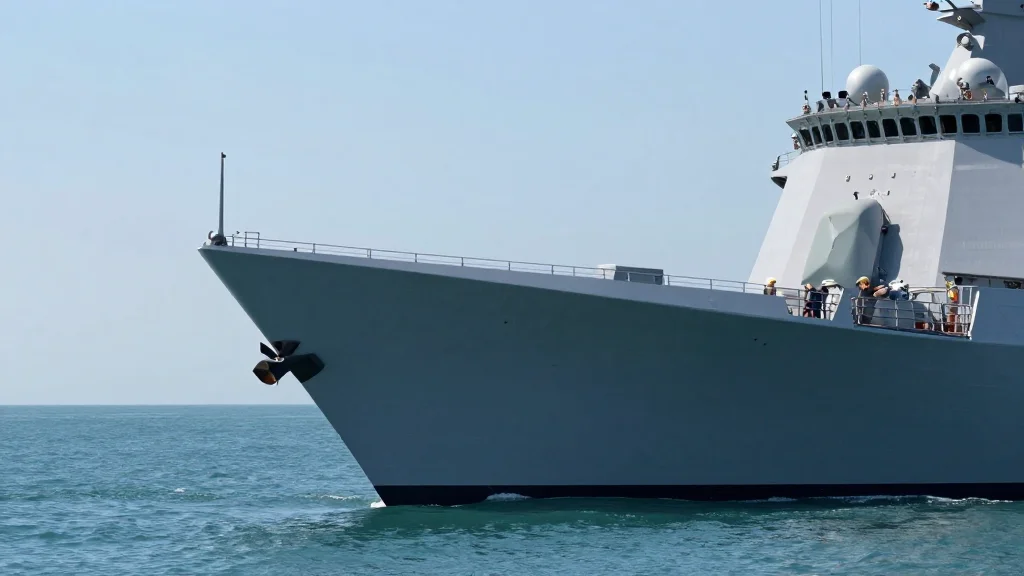
US Military Says It’s Ready to Resume Fighting if Diplomacy Fails
Why It Matters
The readiness to re‑engage militarily raises the risk of renewed conflict in a vital oil corridor, potentially destabilizing global energy markets and prompting broader geopolitical escalation.
Key Takeaways
- •US forces poised to resume combat within days
- •Trump pulled back from Iran assault deadline
- •Iran claims victory, distrusts US negotiations
- •Defense Secretary monitors Iran's enriched uranium stockpile
- •Ceasefire seen as pause, not permanent peace
Pulse Analysis
The United States' latest public posture toward Iran reflects a dramatic swing from brinkmanship to cautious restraint. After President Donald Trump threatened a large‑scale strike to force Tehran to reopen the Strait of Hormuz, he abruptly halted the operation just hours before his self‑imposed deadline. In the aftermath, Chairman of the Joint Chiefs Dan Caine reiterated that the joint force remains on standby, capable of resuming combat with the speed demonstrated over the past 38 days. This messaging underscores the administration’s intent to leverage both diplomatic pressure and the credible threat of force.
General Caine’s assurance of rapid, precise re‑engagement is anchored in the United States’ strategic interests in the Gulf. The Strait of Hormuz channels roughly a third of global oil shipments, and any disruption could trigger sharp price spikes. Defense Secretary Pete Hegseth added that U.S. forces are “hanging around” to enforce a two‑week ceasefire and to keep close watch on Iran’s enriched uranium stockpile, signaling a willingness to intervene if proliferation concerns intensify. This dual focus on maritime security and nuclear monitoring amplifies the stakes of any diplomatic breakdown.
The public posturing carries significant implications for markets and allies. Energy traders already price‑indexed the heightened risk, pushing Brent crude toward $95 per barrel, while regional partners monitor the potential spillover into Yemen and Saudi Arabia. Politically, the administration’s oscillation between aggression and restraint may strain NATO cohesion, as European capitals weigh the credibility of U.S. guarantees. Ultimately, the outcome hinges on whether Tehran perceives enough diplomatic incentive to honor the ceasefire, or whether the United States opts to convert its verbal warnings into kinetic action, reshaping Middle‑East stability.
US military says it’s ready to resume fighting if diplomacy fails
Comments
Want to join the conversation?
Loading comments...