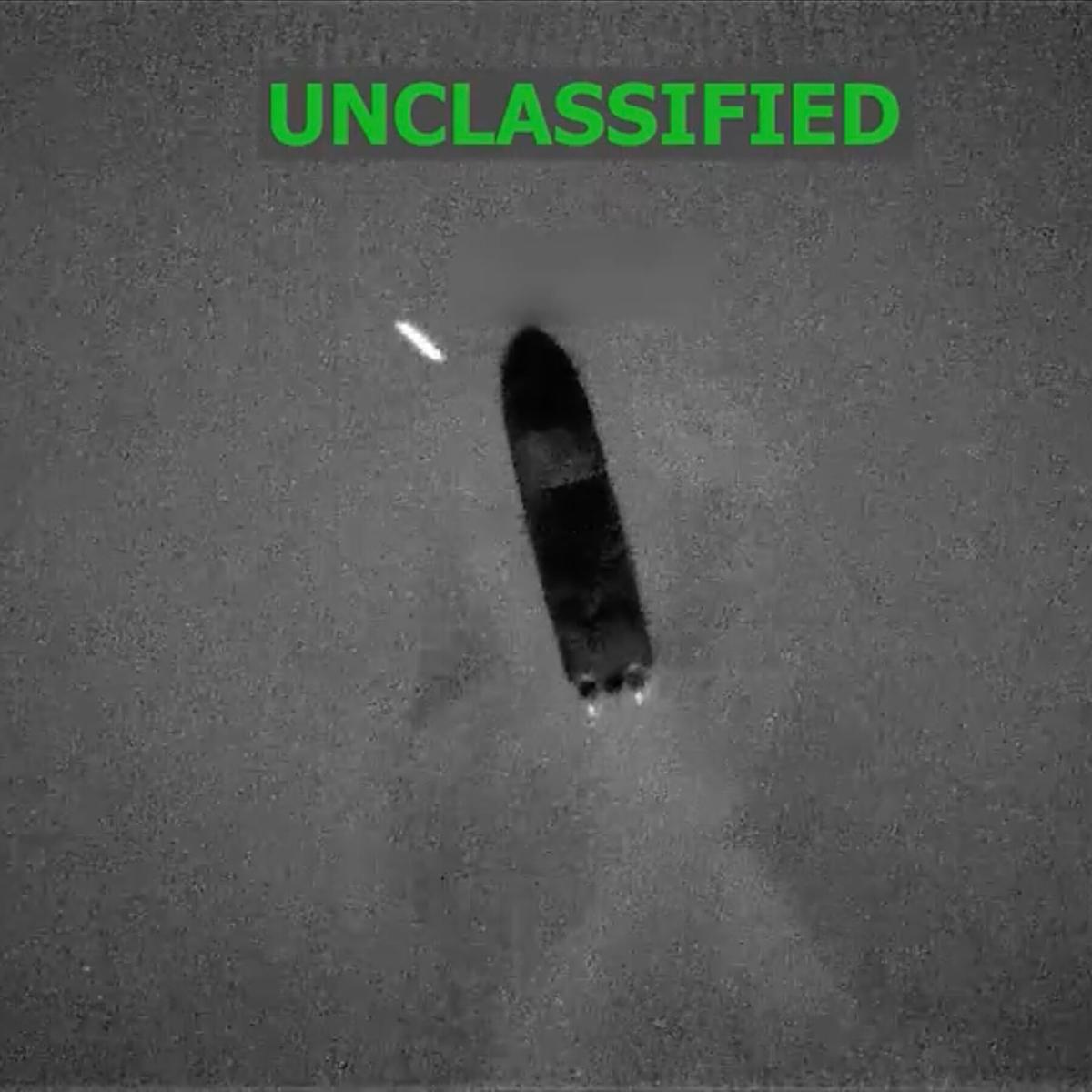
U.S. Military Strikes Boat in Caribbean, Killing 2
Why It Matters
The growing death toll underscores the escalation of U.S. kinetic operations against maritime drug trafficking, raising legal and diplomatic concerns for the region.
Key Takeaways
- •Over 50 U.S. strikes on drug‑smuggling boats since September 2025.
- •Death toll from the campaign now at least 187 individuals.
- •Gen. Francis L. Donovan authorized the latest Caribbean strike.
- •Operations span Caribbean Sea and eastern Pacific, targeting maritime routes.
Pulse Analysis
The United States has intensified its fight against maritime drug trafficking with a kinetic campaign that began in September 2025 under the Trump administration. Dubbed “Joint Task Force Southern Spear,” the effort authorizes aerial strikes on vessels suspected of ferrying narcotics from South America to the Caribbean and the United States. To date, more than 50 boats have been targeted, resulting in at least 187 deaths, including the two men killed in the latest Caribbean operation ordered by Gen. Francis L. Donovan. The strategy reflects a shift from traditional interdiction to lethal force, leveraging the Southern Command’s air assets to disrupt smuggling routes in real time.
While the campaign promises to curtail the flow of cocaine, heroin and fentanyl, it also raises complex legal and diplomatic questions. International law permits self‑defense against non‑state actors, yet the threshold for lethal action against civilian‑crewed vessels remains contested. Regional governments, particularly in the Caribbean Community, have expressed concern over sovereignty violations and the potential for collateral damage. Early data suggest a modest decline in maritime drug shipments, but critics argue that the high death toll may fuel anti‑U.S. sentiment and push traffickers toward more covert methods, undermining long‑term efficacy.
Looking ahead, policymakers must balance operational success with accountability. Enhanced intelligence sharing with partner nations could reduce the need for strikes by enabling arrests and asset seizures instead of lethal force. Moreover, advances in unmanned aerial systems and precision targeting may lower civilian casualties while maintaining pressure on traffickers. Congressional oversight and transparent reporting will be crucial to ensure the campaign aligns with both national security objectives and international norms. As the United States navigates this contentious arena, the outcome will shape future counter‑narcotics strategies and the geopolitical dynamics of the Western Hemisphere.
U.S. Military Strikes Boat in Caribbean, Killing 2
Comments
Want to join the conversation?
Loading comments...