US Military Supports Launch of Project Freedom in Strait of Hormuz

Key Takeaways
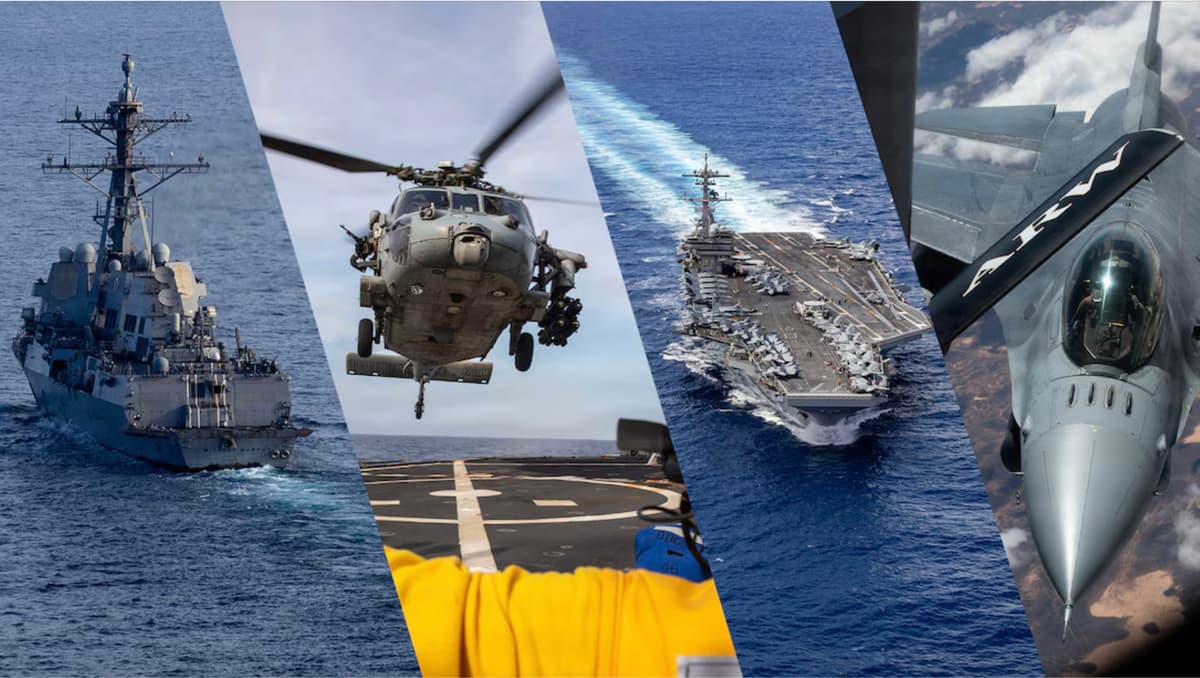
- •Project Freedom deploys 15,000 troops, destroyers, and 100+ aircraft.
- •Strait of Hormuz transports roughly 25% of world oil.
- •UKMTO reports recent attacks on tankers and bulk carriers.
- •Maritime Freedom Construct merges diplomatic action with military coordination.
- •U.S. presence aims to safeguard global energy supply chains.
Pulse Analysis
The Strait of Hormuz remains a chokepoint for international trade, funneling roughly 25% of the world’s oil, along with vital fuel and fertilizer shipments. Its narrow passages and proximity to contested coastlines have historically made it a flashpoint for geopolitical tension. Recent incidents reported by the United Kingdom Maritime Trade Operations—ranging from projectile strikes on tankers to coordinated small‑craft attacks—highlight the vulnerability of commercial vessels and the potential for supply‑chain disruptions that could reverberate through global markets.
Project Freedom represents the most extensive U.S. naval commitment in the region since the early 2000s. By mobilizing 15,000 service members, guided‑missile destroyers, more than 100 land and sea‑based aircraft, and a suite of multi‑domain unmanned systems, the operation aims to deter hostile actions and assure safe passage for merchant ships. The initiative dovetails with the Maritime Freedom Construct, a joint effort by the State Department and the Department of Defense to synchronize diplomatic pressure with kinetic capabilities. This integrated approach seeks to close intelligence gaps, streamline response protocols, and present a unified front against actors seeking to exploit the strait’s strategic importance.
For the global economy, the stakes are high. Any interruption in Hormuz traffic can trigger spikes in oil prices, strain fertilizer supplies, and force shippers to reroute around longer, costlier paths. By reinforcing navigation rights, the U.S. hopes to maintain market stability and protect the downstream industries that rely on steady energy inputs. However, the presence of a large U.S. force also risks escalating confrontations with regional powers. Continuous monitoring, transparent communication with commercial stakeholders, and calibrated rules of engagement will be essential to balance deterrence with the avoidance of inadvertent escalation.
US Military Supports Launch of Project Freedom in Strait of Hormuz
Comments
Want to join the conversation?