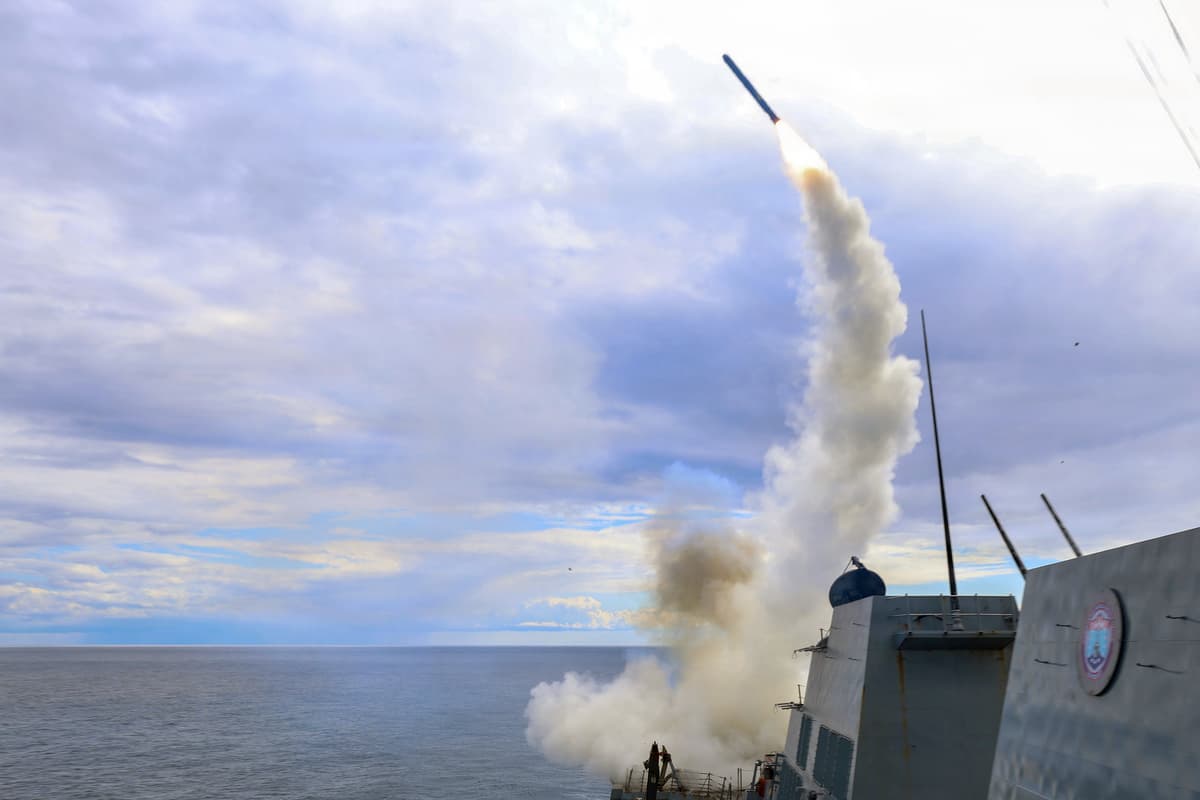
US Munitions Depleted by Iran War Will Take Years to Restore, Analysis Finds
Companies Mentioned

Why It Matters
Extended re‑stocking timelines leave the U.S. military exposed in potential high‑intensity conflicts, especially in the Western Pacific, and pressure defense industrial base to accelerate output.
Key Takeaways
- •Over 1,000 Tomahawk missiles fired, far above 86‑yearly average
- •Replenishing Tomahawks may not complete until 2030‑31
- •THAAD interceptor stock returns to pre‑war levels only by late 2029
- •Production expansion could take years, creating a vulnerability window
Pulse Analysis
The CSIS analysis highlights a stark mismatch between the pace of wartime consumption and the speed of industrial replenishment. While the Pentagon reports sufficient munitions for any plausible scenario, the sheer volume of Tomahawk and THAAD usage during Operation Epic Fury far outstripped normal procurement cycles. Restoring the missile stockpiles to pre‑war levels will require new production lines, supply‑chain adjustments, and possibly additional funding, stretching into the next decade. This lag is not merely a budgeting issue; it reflects the inherent complexity of high‑precision weapon systems that cannot be mass‑produced overnight.
Strategically, the inventory shortfall creates a window of vulnerability that adversaries such as China could exploit. With the U.S. Navy and Air Force reliant on Tomahawk strikes for long‑range precision, and the Army and allies counting on THAAD for missile defense, any delay in replenishment could constrain operational flexibility in contested regions like the Western Pacific. Analysts warn that while the U.S. retains enough munitions for a single conflict, sustained high‑intensity operations could strain the supply chain, forcing planners to prioritize certain theaters over others.
In response, the Defense Department and major defense contractors are accelerating capacity expansions, from new manufacturing plants to advanced automation. President Trump’s recent meeting with CEOs of BAE Systems, Lockheed Martin, Raytheon and others underscores a political push to “quadruple” production of critical systems. However, experts caution that scaling up takes time—design validation, testing, and workforce training cannot be rushed without risking quality. The coming years will test whether the industrial base can meet heightened demand while preserving the reliability that underpins U.S. deterrence.
US munitions depleted by Iran war will take years to restore, analysis finds
Comments
Want to join the conversation?
Loading comments...