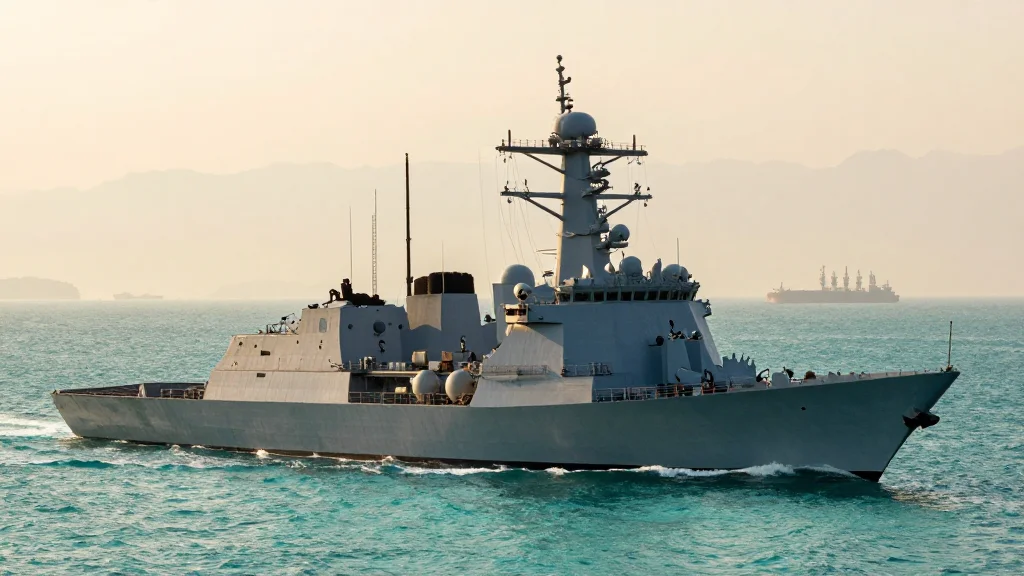
US Navy Begins Strait of Hormuz Blockade After US‑Iran Ceasefire Talks Fail

Companies Mentioned
Why It Matters
The US‑Iran naval standoff threatens the free flow of oil through the Strait of Hormuz, a chokepoint that handles roughly 20% of global petroleum trade. A sustained blockade could push oil prices higher, stoke global inflation, and force countries to reroute shipping, increasing freight costs and transit times. Strategically, the confrontation tests US naval power projection and Iran’s asymmetric maritime tactics, setting a precedent for future engagements in narrow waterways. Regionally, the blockade deepens mistrust between Washington and Tehran, complicating any diplomatic resolution to the broader Middle East conflict that began in February. European allies, already grappling with energy security concerns, may be compelled to accelerate alternative supply routes and invest in naval counter‑measures, reshaping defense procurement priorities for the coming decade.
Key Takeaways
- •US Navy deployed two guided‑missile destroyers to enforce a blockade of the Strait of Hormuz after ceasefire talks failed.
- •Iran’s Revolutionary Guard warned that any vessel attempting transit would be targeted, citing speedboat swarms and potential mines.
- •Brent crude jumped nearly 8% to $103 per barrel, pulling down European equity indices such as the CAC 40 and DAX.
- •Analysts warn the blockade may not coerce Iran, noting the country's demonstrated resilience and asymmetric capabilities.
- •Czech Republic’s €220 million modernization of Cáslav military airport highlights NATO’s interest in securing alternative logistics hubs.
Pulse Analysis
The decision to block the Strait of Hormuz marks a decisive shift from diplomatic brinkmanship to kinetic posturing by the United States. Historically, US naval power has relied on freedom of navigation operations to deter state actors, but the current environment—characterized by Iran’s investment in low‑cost, high‑speed craft and unmanned underwater platforms—requires a recalibration of tactics. The US Navy’s choice to field destroyers capable of anti‑ship missile defense and mine counter‑measure operations signals an intent to neutralize asymmetric threats while maintaining a visible deterrent.
Economically, the price spike in Brent crude underscores how quickly a regional flashpoint can reverberate through global markets. Energy‑intensive economies will feel the pinch, potentially accelerating the shift toward alternative energy sources and prompting policymakers to revisit strategic petroleum reserves. Defense firms that specialize in maritime domain awareness, such as L3Harris and Saab, stand to benefit from heightened demand for surveillance and counter‑drone systems.
Looking ahead, the durability of the blockade hinges on diplomatic flexibility. If the US can secure a limited‑time corridor for humanitarian and commercial shipping, it may mitigate the worst economic fallout while preserving leverage over Tehran. Conversely, a protracted standoff risks escalation into open conflict, especially if Iran deploys mines or conducts a high‑profile attack on a US warship. The international community’s response—particularly from NATO allies—will be critical in shaping the rules of engagement and preventing a broader maritime war that could destabilize the entire Middle East region.
US Navy Begins Strait of Hormuz Blockade After US‑Iran Ceasefire Talks Fail
Comments
Want to join the conversation?
Loading comments...