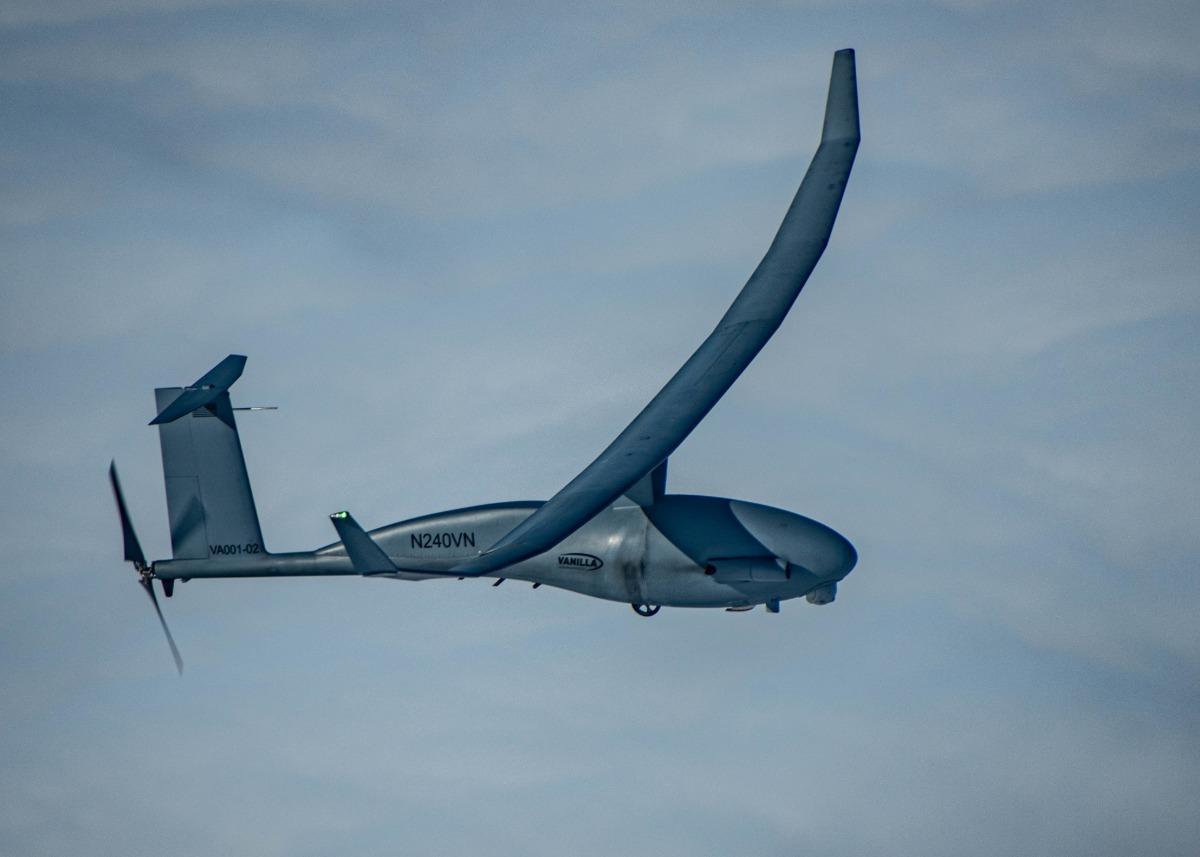
U.S. Navy Buys Vanilla Long-Endurance Unmanned Aircraft
Why It Matters
Extended‑endurance drones give the Navy persistent coverage over vast ocean areas, reducing the need for frequent launches and enhancing ISR and communications capabilities.
Key Takeaways
- •$12.9 million contract modification funds Vanilla UAS through Aug 2026.
- •Vanilla can remain airborne for days, far exceeding typical tactical drones.
- •Multi‑spectral sensors enable infrared and daylight imaging for maritime surveillance.
- •Communications‑relay payload turns the drone into an airborne signal node.
Pulse Analysis
The Navy’s investment in the Vanilla long‑endurance unmanned aircraft reflects a broader shift toward persistent aerial platforms that can operate for days without returning to base. Traditional tactical drones typically provide only a few hours of flight time, limiting their ability to monitor expansive maritime domains. By funding a system that can linger over an area for extended periods, the service gains a cost‑effective alternative to manned patrol aircraft, while also reducing the logistical footprint associated with frequent launch‑recover cycles.
Vanilla’s technical suite distinguishes it from conventional UAVs. Its land‑launch architecture, combined with a high‑energy propulsion system, enables multi‑day endurance, while modular payload bays support multi‑spectral sensors that capture infrared and visible‑light imagery for detailed surface analysis. An optional communications‑relay module transforms the aircraft into a floating network node, extending line‑of‑sight links for ships and ground forces operating in contested or remote environments. These capabilities align with the Navy’s emphasis on distributed maritime operations, where continuous situational awareness and resilient communications are paramount.
Looking ahead, the contract underscores the growing importance of long‑duration unmanned systems in defense procurement. As rival powers expand their own high‑endurance drone programs, the United States is positioning itself to maintain a technological edge in persistent ISR and signal‑relay functions. Continued funding through 2026 suggests the Navy intends to transition Vanilla from a demonstration platform to an operational asset, potentially influencing future acquisition strategies for other services seeking similar endurance‑focused solutions.
U.S. Navy buys Vanilla long-endurance unmanned aircraft
Comments
Want to join the conversation?
Loading comments...