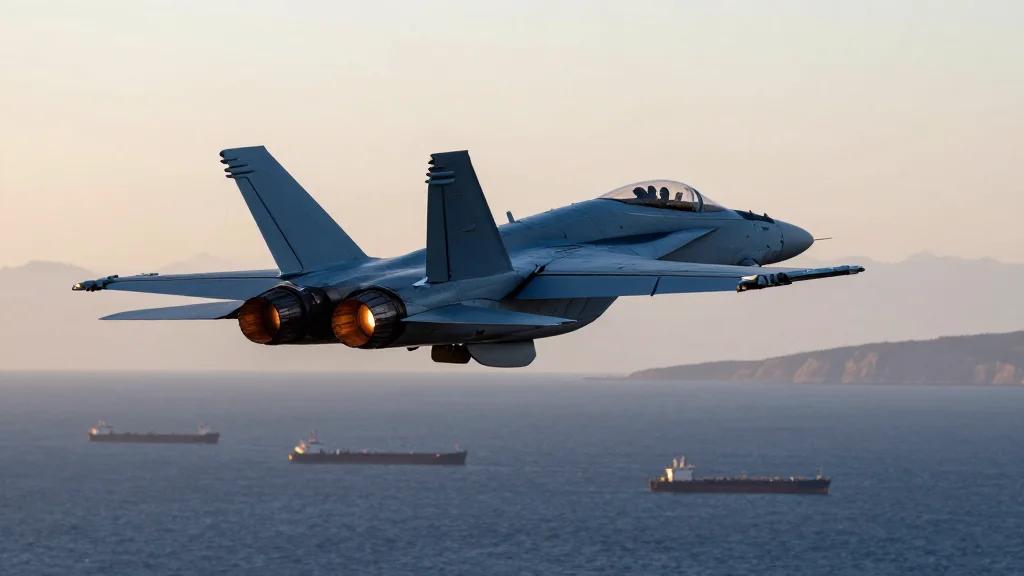
U.S. Navy Disables Two Iranian Tankers, Heightening Strait of Hormuz Tensions

Why It Matters
The engagement directly challenges Iran’s leverage over a chokepoint that supplies a fifth of the world’s oil, threatening global energy markets and inflating consumer prices. By demonstrating the willingness to use precision strikes against commercial vessels, the United States signals that its maritime blockade is enforceable, potentially reshaping the calculus of future negotiations. At the same time, the incident risks pulling regional allies—Saudi Arabia, the UAE, and Qatar—into a broader confrontation, complicating U.S. diplomatic efforts and raising the specter of a wider Middle East escalation. For defense planners, the episode highlights the growing importance of rapid, high‑precision strike platforms like the F/A‑18 in maritime interdiction roles, as well as the need for robust command‑and‑control networks that can coordinate naval, air, and diplomatic actions in real time. The outcome will influence how future blockades are conducted and whether similar tactics will be employed against state‑linked commercial assets in contested waterways.
Key Takeaways
- •U.S. F/A‑18 Super Hornet used precision munitions to disable two Iranian‑flagged tankers in the Gulf of Oman
- •Secretary of State Marco Rubio called Tehran’s control of the Strait of Hormuz “unacceptable” and urged a serious response
- •President Donald Trump said he expects a letter from Iran tonight, indicating ongoing diplomatic pressure
- •Iran and Hezbollah retaliated with missile and drone attacks, raising fears of a broader regional flare‑up
- •The Strait of Hormuz handles ~20% of global oil flow; disruptions have pushed U.S. gasoline prices above $4.50 per gallon
Pulse Analysis
The U.S. decision to target Iranian commercial tankers marks a tactical shift from targeting purely military assets to leveraging economic pressure points. Historically, blockades have relied on the threat of force; this direct strike removes ambiguity and signals that the United States will act decisively to enforce maritime restrictions. The move also tests the limits of the cease‑fire framework that has held since early March, exposing how fragile diplomatic arrangements are when strategic chokepoints are involved.
From a market perspective, the Hormuz disruption has already translated into higher oil prices and heightened volatility in futures markets. Energy analysts warn that even a short‑term reduction in flow can ripple through global supply chains, especially as inventories remain low after the 2025‑26 supply shock. The U.S. may be betting that the economic pain inflicted on Iran will outweigh the risk of escalation, compelling Tehran to accept the U.S.–Pakistan mediated proposal.
Strategically, the episode underscores the growing relevance of precision strike aircraft in littoral warfare. The F/A‑18’s ability to engage moving merchant vessels with minimal collateral damage demonstrates a capability that other navies may seek to emulate. However, the risk of miscalculation is high; each successful strike raises the stakes for Iranian retaliation, potentially drawing in proxy forces like Hezbollah and expanding the conflict’s geographic scope. The coming days will reveal whether diplomatic overtures can outpace the kinetic momentum set in motion by this naval action.
U.S. Navy disables two Iranian tankers, heightening Strait of Hormuz tensions
Comments
Want to join the conversation?
Loading comments...