US Navy Open to Building Ships Overseas, New Plan Says
Why It Matters
By opening overseas construction, the Navy aims to close shipyard backlogs and meet accelerated delivery goals, but it also raises strategic questions about U.S. industrial‑base resilience and allied dependence.
Key Takeaways
- •Navy evaluates overseas shipyards to meet 2028 delivery timeline
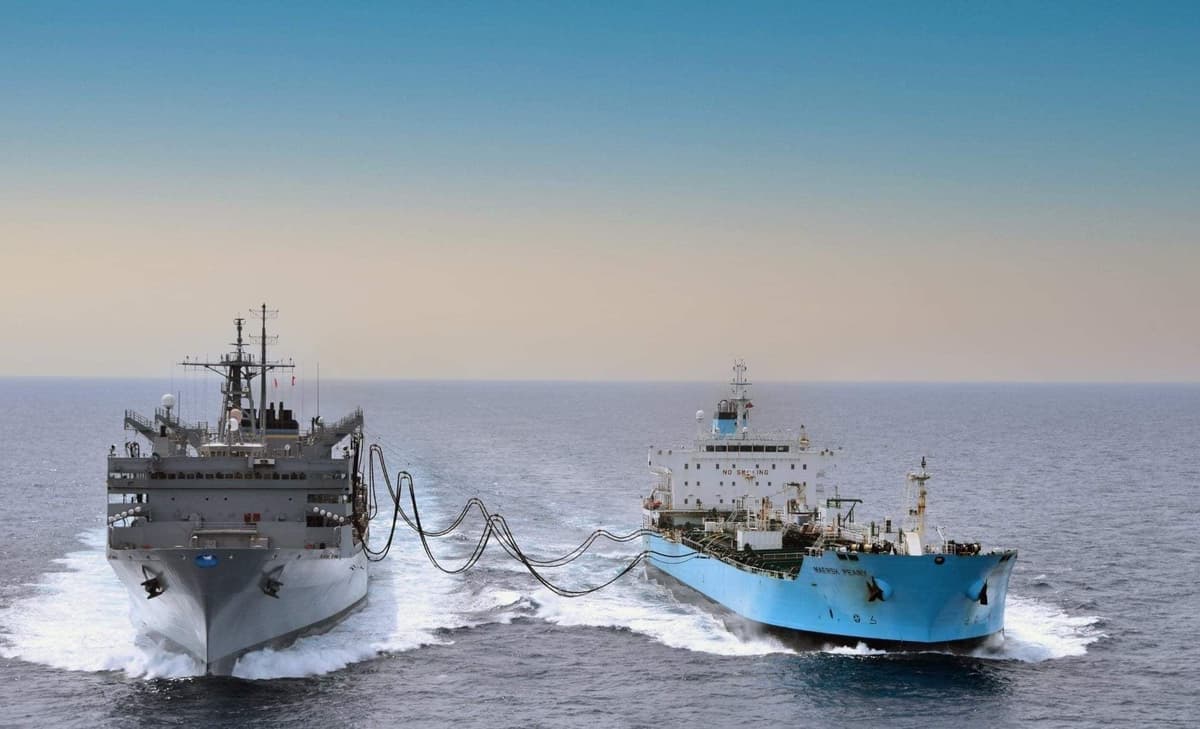
- •Plan allocates $2.3 B for five foreign‑built fuel tankers
- •Goal: increase fleet to 395 ships FY27, 450 by FY31
- •Distributed shipbuilding sites target rise from 10% to 50%
- •Trump’s FY27 defense budget earmarks $65.8 B for shipbuilding
Pulse Analysis
The Navy’s FY2027 shipbuilding strategy marks a notable pivot from the traditional “Made‑in‑America” mantra that has dominated defense procurement for decades. After Secretary John Phelan was dismissed for advocating overseas construction, the budget document quietly acknowledges that allied shipyards may be tapped if domestic capacity cannot meet the 2028 delivery deadline for the so‑called Trump‑class battleships. S. 5 trillion defense budget.
3 billion to procure five fuel‑support tankers and $450 million for a consolidated cargo‑replenishment vessel, both slated for potential construction in foreign yards. In addition, the Navy targets a fleet expansion from the current 290 combatants to 395 ships by FY27 and 450 by FY31, a growth driven by a high‑low mix of advanced combatants, cost‑effective platforms and unmanned systems. To accelerate delivery, the service plans to boost distributed shipbuilding sites from 10% to 50% of total output, reducing reliance on legacy shipyards and increasing flexibility.
Industry analysts see the overseas‑building option as a double‑edged sword. On one hand, it could shave years off delivery schedules, allowing the Navy to field the promised “Golden Fleet” of nuclear‑powered battle groups and sustain global operations. On the other, reliance on allied yards may erode the domestic shipbuilding workforce, complicate security‑clearance protocols, and expose the fleet to geopolitical supply‑chain risks. Congress will likely scrutinize the flexibility language in the budget, weighing short‑term capability gains against long‑term strategic autonomy as the United States seeks to maintain maritime supremacy.
US Navy open to building ships overseas, new plan says
Comments
Want to join the conversation?
Loading comments...