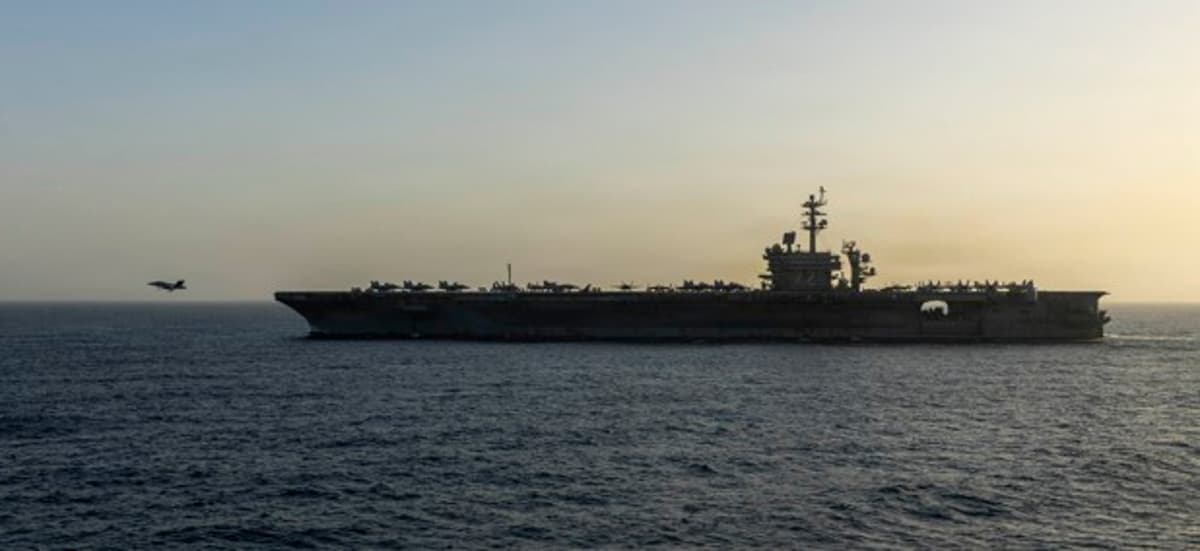
US Navy Ordered to ‘Shoot and Kill’ Alleged Iranian Mine-Laying Boats Amid Ceasefire
Why It Matters
The blockade directly threatens a critical chokepoint for global oil shipments, raising geopolitical risk and potential supply‑chain disruptions. It also tests the effectiveness of U.S. maritime coercion as a tool for forcing diplomatic concessions from Iran.
Key Takeaways
- •US ordered to fire on any Iranian mine‑laying speedboats
- •Three carriers—Lincoln, Ford, Bush—deployed to Strait of Hormuz
- •Blockade has turned back 34 ships and seized three vessels
- •Pentagon says operation will continue “as long as it takes”
- •Experts warn blockade may prolong conflict and hurt global trade
Pulse Analysis
The decision to authorize lethal force against Iranian fast boats marks a sharp escalation in the U.S. response to Tehran’s alleged mine‑laying activities in the Strait of Hormuz. By deploying three nuclear‑powered carriers—Abraham Lincoln, Gerald R. Ford, and George H.W. Bush—the Pentagon signals a commitment to maintain a robust maritime presence, a posture not seen in the region for decades. This show of force is intended to deter further Iranian aggression, protect commercial navigation, and reinforce the United States’ willingness to enforce a de‑facto blockade while a cease‑fire remains in place.
Operationally, the blockade has already forced 34 merchant vessels to reroute and resulted in the seizure of three Iranian‑linked ships, including the 965‑foot container vessel Touska and the oil‑laden tanker Tifani. These interdictions demonstrate the U.S. military’s capacity to project power far beyond the immediate strait, extending into the Indian Ocean and Pacific. However, each engagement raises the risk of accidental escalation, potentially disrupting the flow of oil that passes through Hormuz—roughly 20% of global petroleum consumption—thereby inflating freight rates and prompting market volatility.
Strategic analysts caution that while the blockade may apply pressure on Tehran, history suggests maritime coercion rarely compels lasting political change. Critics argue the tactic could entrench Iran’s resolve, prolong the conflict, and impose broader economic costs on allies dependent on Middle‑East energy supplies. The long‑term effectiveness of the U.S. strategy will likely hinge on diplomatic breakthroughs rather than sustained naval force, as the global community watches for any ripple effects on oil markets and regional stability.
US Navy ordered to ‘shoot and kill’ alleged Iranian mine-laying boats amid ceasefire
Comments
Want to join the conversation?
Loading comments...