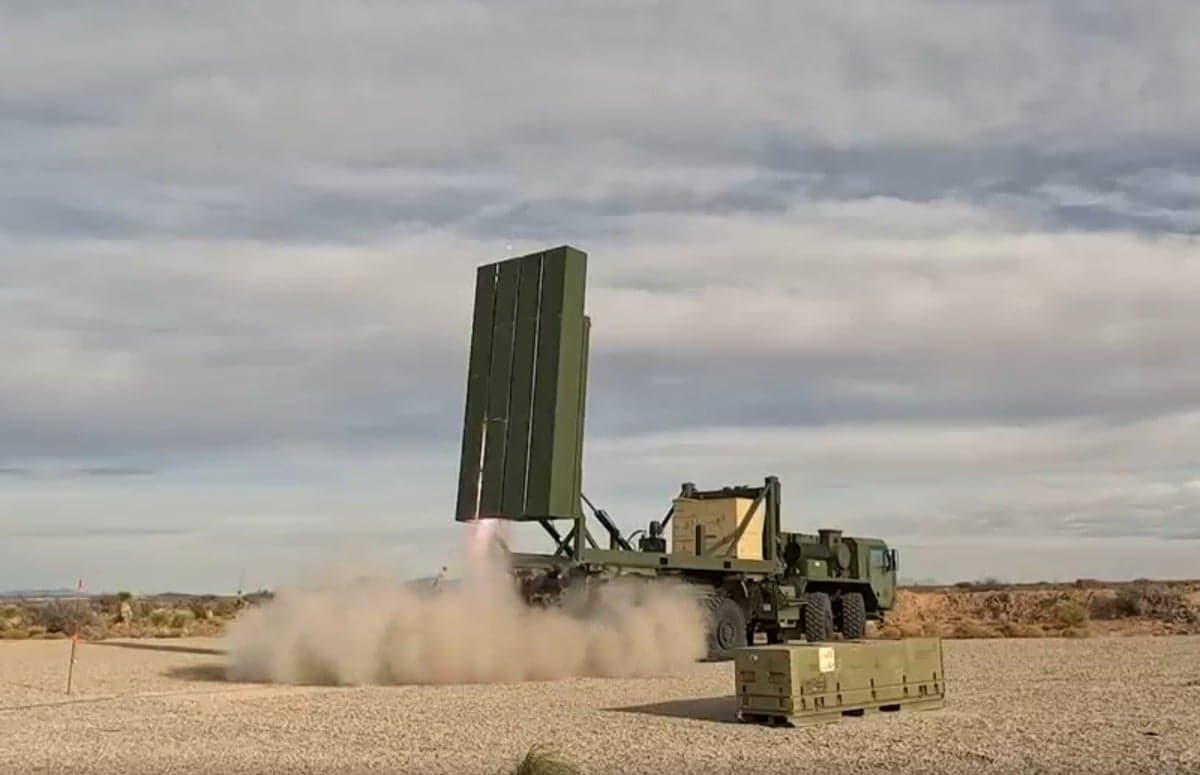
U.S. Navy Pays Castelion $105M to Test Blackbeard Hypersonic Weapon
Companies Mentioned
Why It Matters
The contract marks a shift toward agile, small‑business development of hypersonic strike systems, aiming to lower unit costs and accelerate deployment in a contested Indo‑Pacific theater.
Key Takeaways
- •Castelion awarded $105 M Navy contract for Blackbeard testing.
- •Live-fire trials scheduled in Indo‑Pacific, to finish Jan 2028.
- •Program targets low‑cost, high‑volume hypersonic production.
- •SBIR Phase III contract uses firm‑fixed‑price, shifting risk to contractor.
- •Tests signal U.S. intent against regional competitors.
Pulse Analysis
Hypersonic weapons, capable of exceeding Mach 5, have become a focal point of great‑power competition because their speed and maneuverability compress an adversary’s decision‑making window. The United States, wary of falling behind China’s rapid hypersonic development, is accelerating fielding timelines to preserve strategic deterrence. By moving testing to the Indo‑Pacific theater, the Navy not only validates performance under realistic atmospheric conditions but also sends a clear signal of intent to regional actors that the capability is operationally ready.
The Blackbeard program’s reliance on a Small Business Innovation Research (SBIR) Phase III contract reflects a broader Pentagon push to diversify its industrial base. Traditional prime contractors have struggled with cost overruns on hypersonic projects; by awarding a firm‑fixed‑price, nine‑figure contract to a small firm, the Navy transfers cost risk to Castelion and enforces disciplined budgeting. The SBIR focus on “low‑cost, highly manufacturable” designs aims to break the historical price barrier that limited hypersonic deployment to a handful of high‑value strikes, potentially enabling larger arsenals and more frequent use.
If successful, Castelion’s Blackbeard could reshape U.S. strike planning in the Indo‑Pacific, offering a rapid, hard‑to‑intercept option against time‑sensitive targets such as air‑defense nodes or command centers. The live‑fire schedule through early 2028 will provide data critical for integration onto naval platforms, influencing future procurement decisions. Moreover, demonstrating a cost‑effective hypersonic capability may pressure allies and competitors alike to reassess their own missile development strategies, intensifying the technology race in a region already fraught with tension.
U.S. Navy pays Castelion $105M to test Blackbeard hypersonic weapon
Comments
Want to join the conversation?
Loading comments...