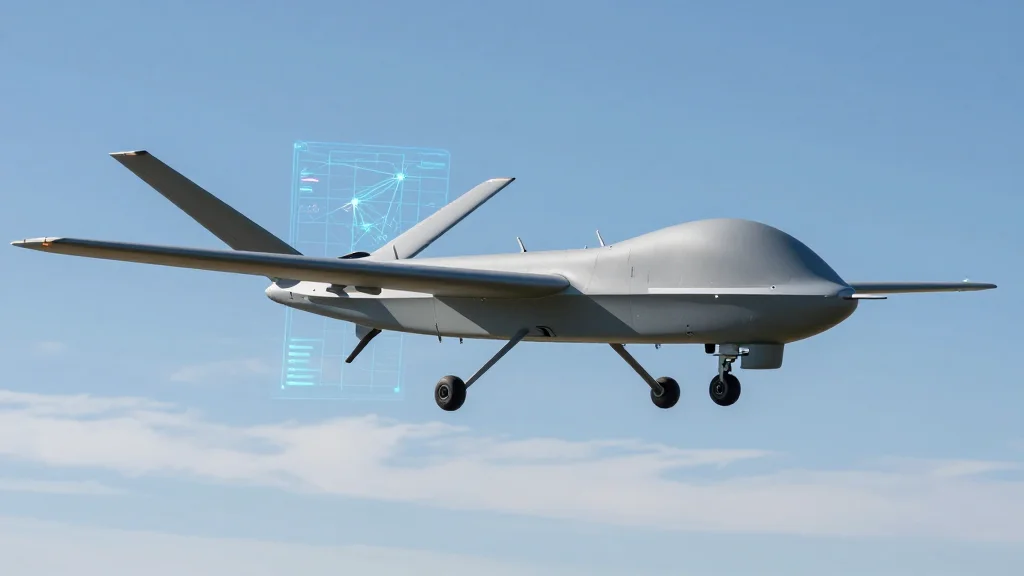
US Navy PMA-281 Selects GA-ASI for CAMP Project
Why It Matters
CAMP provides the Navy with a scalable, AI‑enabled workflow that shortens the test‑to‑deployment cycle for autonomous weapons, strengthening U.S. maritime superiority. It also showcases the defense sector’s shift toward trusted, human‑machine teaming.
Key Takeaways
- •GA‑ASI wins NAVAIR CAMP contract for autonomous mission planning
- •CAMP will test AI‑driven workflows on MQ‑20 Avenger platform
- •Integration includes Link 16, TTNT, and Starlink communications
- •Project ties into Navy’s JDAR and JSE simulation environments
- •Demonstration slated for 2026 fleet exercise to validate autonomy
Pulse Analysis
The Navy’s push toward autonomous combat platforms reflects a broader defense imperative: faster, data‑rich decision cycles in contested environments. Traditional mission‑planning tools were built for manned aircraft, leaving a gap when AI‑driven systems take the helm. By creating a collaborative autonomy workflow, the CAMP project bridges that gap, allowing operators to define rules of engagement, set AI decision thresholds, and capture high‑fidelity debrief data—all within a single software suite. This capability not only accelerates the development pipeline but also embeds human oversight into the AI lifecycle, a critical factor for responsible autonomous operations.
General Atomics brings a unique blend of air‑frame expertise and advanced software integration to the table. The MQ‑20 Avenger, equipped with Government Reference Implementation autonomy, electronic‑warfare payloads, and infrared search‑track sensors, serves as a realistic testbed. Robust communications via Link 16, TTNT, and Starlink ensure resilient command‑and‑control links, even in contested spectra. By plugging into the Joint Digital Autonomy Range and Joint Simulation Environment, the project can run high‑fidelity simulations that mirror real‑world maritime scenarios, reducing the need for costly live‑flight trials while preserving operational relevance.
Beyond the immediate Navy benefit, CAMP signals a market shift toward modular, enterprise‑wide autonomy solutions. Defense contractors are increasingly expected to deliver end‑to‑end AI pipelines—from model training and validation to secure lifecycle management and post‑mission analysis. Successful demonstration in 2026 could set a procurement template for other services, spurring investment in trusted AI frameworks and cross‑domain interoperability. As autonomous systems proliferate, the ability to plan, execute, and debrief missions with transparent, auditable AI will become a decisive competitive advantage for both the armed forces and the industrial base.
US Navy PMA-281 selects GA-ASI for CAMP project
Comments
Want to join the conversation?
Loading comments...