Why It Matters
The deployment confirms the U.S. can sustain a flexible, high‑risk blockade while deterring IRGC anti‑ship threats, preserving Gulf shipping lanes and U.S. strategic leverage in the region.
Key Takeaways
- •Sentinel‑2 imagery reveals U.S. carrier group east of Ras Al Hadd.
- •Two Arleigh Burke destroyers transit Strait, showing confidence against IRGC threats.
- •Independence‑class LCS positioned at blockade edges to counter drones and missiles.
- •Diego Garcia lagoon hosts MV Ocean Trader, hinting at upcoming special‑force ops.
- •IRGC anti‑ship drone activity persists, but few mines detected in Strait.
Pulse Analysis
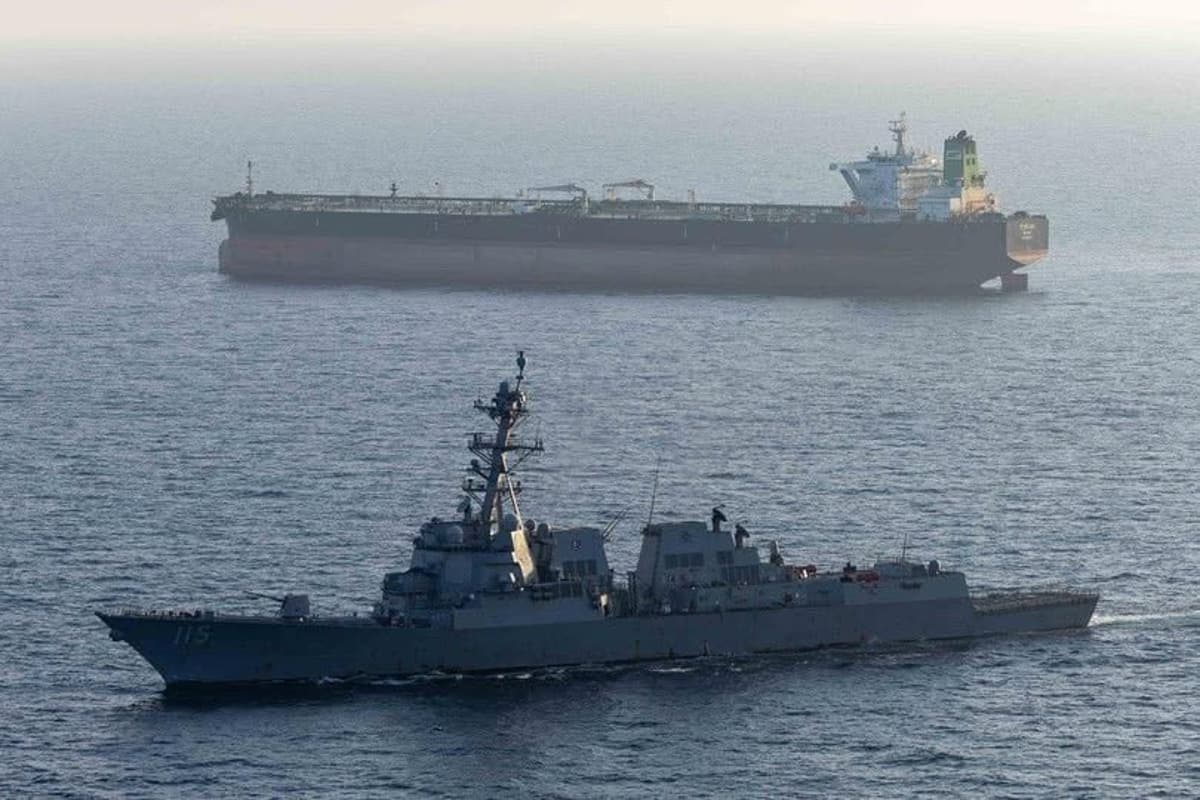
The release of up‑to‑date Sentinel‑2 imagery has lifted the veil on a complex U.S. naval architecture that blends carrier power with agile surface combatants. Analysts can now trace the exact line of the blockade, anchored by at least one Nimitz‑class carrier and the amphibious USS New Orleans, while two Arleigh Burke destroyers probe the Strait of Hormuz on demand. This visual confirmation underscores a shift from static presence to a dynamic, risk‑managed posture that can respond instantly to emerging Iranian threats.
The composition of the blockade mirrors historic naval strategies, echoing the Napoleonic era’s layered approach. Heavy assets remain offshore, while fast Independence‑class littoral combat ships patrol the inshore edges, creating a buffer against short‑range IRGC drones and cruise missiles. This arrangement not only protects high‑value platforms but also grants the U.S. freedom to interdict suspected blockade runners without exposing the fleet to undue danger. The integration of F‑35‑equipped vessels adds a stealthy air‑to‑surface capability, further complicating any Iranian offensive calculus.
Regional implications are profound. By maintaining a visible yet flexible shield, the U.S. reassures commercial traffic that the Strait remains navigable, limiting the economic fallout of any Iranian escalation. Simultaneously, the appearance of the MV Ocean Trader at Diego Garcia signals preparatory steps for special‑force operations, hinting at possible covert actions against Iranian maritime infrastructure. As IRGC drone and missile sorties continue, the demonstrated ability to clear or avoid mines reinforces confidence among Gulf allies and sustains the strategic balance in a volatile theater.
U.S. Navy Remains Poised in the Arabian Sea
Comments
Want to join the conversation?
Loading comments...