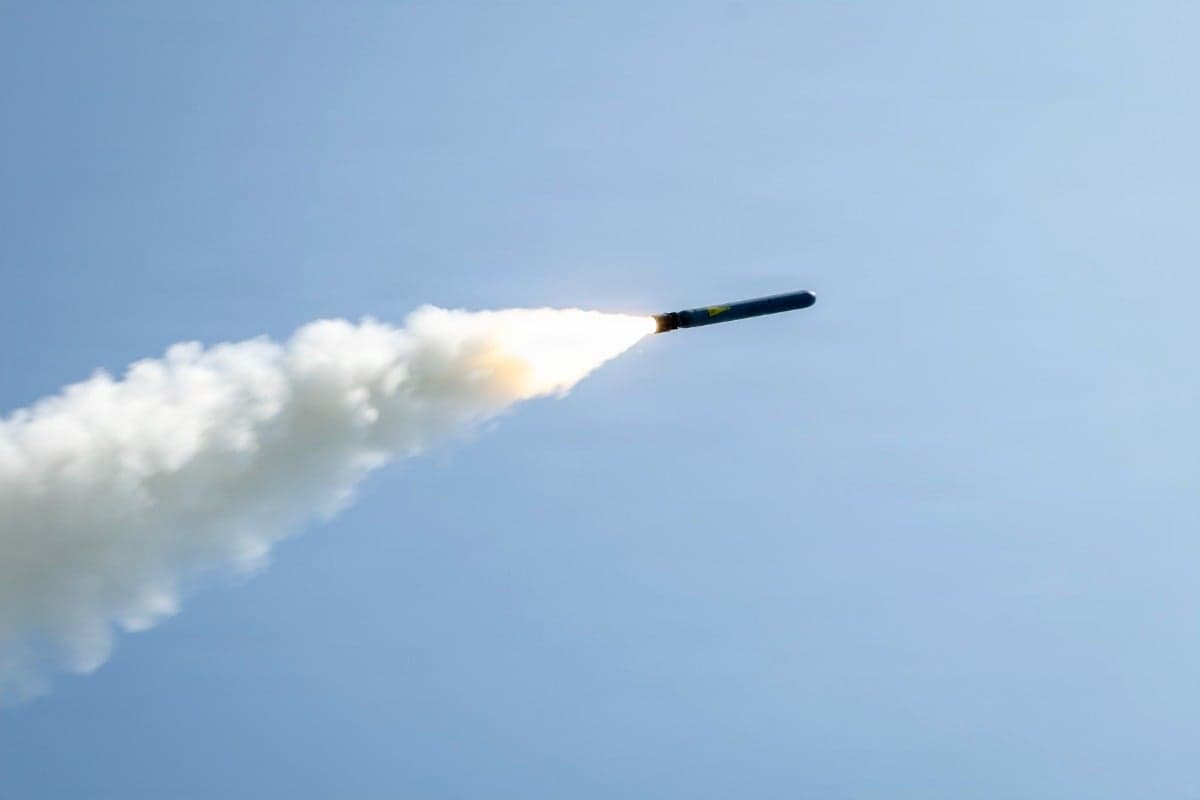
U.S. Navy Requests $3 Billion for 785 Tomahawk Missiles
Companies Mentioned
Why It Matters
The massive procurement signals a shift from modest, steady‑state cruise‑missile spending to a high‑volume, multi‑billion‑dollar effort, underscoring the Navy’s urgent need to sustain long‑range strike power amid ongoing conflict with Iran. Congressional approval will shape the pace of U.S. conventional deterrence and the health of the defense industrial base.
Key Takeaways
- •Navy seeks $3 billion for 785 Tomahawks in FY 2027.
- •Procurement jump exceeds 1,200% versus FY 2026's 58 missiles.
- •$1.5 billion allocated to upgrade existing Tomahawk inventory.
- •Mandatory reconciliation funds cover 727 missiles beyond discretionary budget.
- •Total FY 2027 Tomahawk program cost reaches about $4.65 billion.
Pulse Analysis
The surge in Tomahawk procurement reflects the Navy’s response to an unprecedented operational tempo. Since February 2026, the conflict with Iran has driven the service to expend more than 850 cruise missiles, far outpacing the modest replenishment levels built into recent budgets. This demand shock forces a re‑evaluation of how the Navy funds and fields its long‑range strike assets, moving from a low‑volume, incremental approach to a large‑scale, rapid‑replenishment model that few peacetime planners anticipated.
Budgetary strategy is a key part of the Navy’s plan. By allocating 58 missiles to the discretionary budget and the remaining 727 to mandatory reconciliation, the service spreads the financial load across two legislative vehicles, giving Raytheon time to scale production without overtaxing its supply chain. Simultaneously, a $1.5 billion modification program upgrades the existing stock, extending range and enhancing guidance, while a modest $116 million boost to support equipment ensures launch platforms remain ready. This dual‑track approach maximizes strike capacity without waiting for new missiles to roll off the line.
The broader implications reach beyond the Navy’s inventory. Congressional approval will set a precedent for future high‑intensity conflict funding, potentially reshaping cruise‑missile procurement norms across the services. A sustained, multi‑billion‑dollar commitment could stimulate the defense industrial base, securing jobs and technological advances at Raytheon and its suppliers. Conversely, any delay or reduction could strain the Navy’s ability to project power in contested regions, prompting a reassessment of alternative long‑range strike options. The outcome will be a bellwether for U.S. conventional deterrence budgeting in an era of heightened geopolitical risk.
U.S. Navy requests $3 Billion for 785 Tomahawk missiles
Comments
Want to join the conversation?
Loading comments...