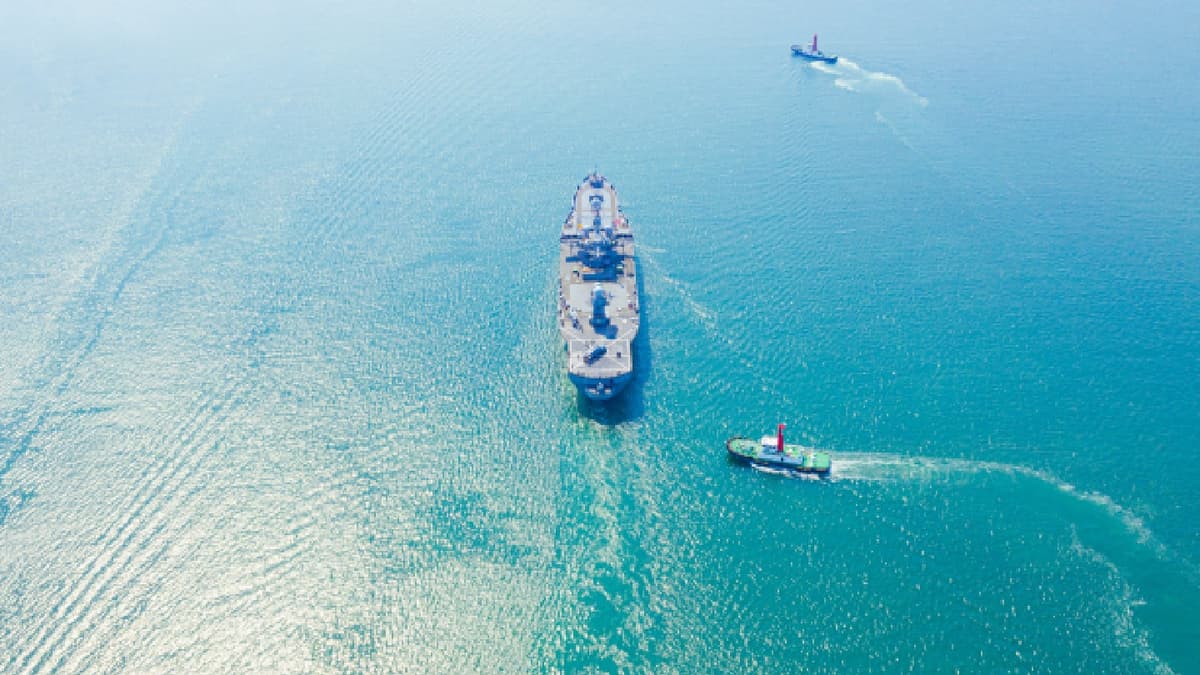
US Navy Unveils FY27 Shipbuilding Plan with 34 New Ships
Why It Matters
The massive budget allocation reshapes the defense industrial landscape, driving demand for shipyard capacity, advanced technologies, and skilled labor while reinforcing U.S. naval superiority in a contested global environment.
Key Takeaways
- •FY27 requests 34 manned ships and five unmanned platforms
- •Total FYDP includes 122 ships and 63 uncrewed platforms
- •$7.6 bn allocated to surface combatants in FY27
- •$124.9 bn earmarked for submarines across FYDP
Pulse Analysis
The FY27 Shipbuilding Plan marks the most ambitious naval construction effort in decades, earmarking $65.8 bn over the next 30 years to expand and modernize the fleet. By committing to 34 new hulls this year and a total of 122 ships through the Future Years Defense Program, the Navy is addressing aging platforms and the rising challenge of near‑peer competitors. The budget highlights a balanced mix of aircraft carriers, submarines, surface combatants, and amphibious vessels, reflecting a strategic pivot toward multi‑domain operations and distributed maritime concepts.
At the heart of the initiative is the Golden Fleet concept, which aligns shipbuilding spend with the High‑Low Mix Strategy. This approach pairs high‑end, high‑cost warfighting ships—such as next‑generation carriers and Virginia‑class submarines—with lower‑cost frigates and a growing suite of unmanned surface and undersea platforms. By integrating autonomous systems, the Navy aims to achieve precision mass at reduced expense, enhancing Distributed Maritime Operations and Expanded Maritime Maneuver. Simultaneously, the plan invests heavily in the industrial base, targeting shipyard upgrades, supplier development, and a skilled workforce to prevent future bottlenecks.
For defense contractors and shipyards, the plan translates into a steady pipeline of multi‑billion‑dollar contracts, spurring competition and innovation across the supply chain. Congressional support will be crucial, as the scale of funding demands bipartisan backing and oversight. The emphasis on accountability and performance metrics signals tighter contract management, which could reshape how firms bid on future programs. Ultimately, the FY27 blueprint not only secures U.S. maritime dominance but also catalyzes economic activity in coastal regions, creating high‑skill jobs and reinforcing America’s strategic industrial capacity.
US Navy unveils FY27 shipbuilding plan with 34 new ships
Comments
Want to join the conversation?
Loading comments...