Why It Matters
Extended ASW range strengthens deterrence against increasingly capable submarines and deepens interoperability across AUKUS navies, while mitigating the shortfall of dwindling RUM‑139 inventories.
Key Takeaways
- •LRAW receives $11.4 million FY2027 for design and testing.
- •Target range exceeds 10 mi, surpassing current RUM‑139C capability.
- •Program aligns with AUKUS Pillar 2 undersea technology goals.
- •Likely integrates with MK‑41 VLS for US, Australian, British ships.
- •Addresses declining RUM‑139 stock and limited maintenance funding.
Pulse Analysis
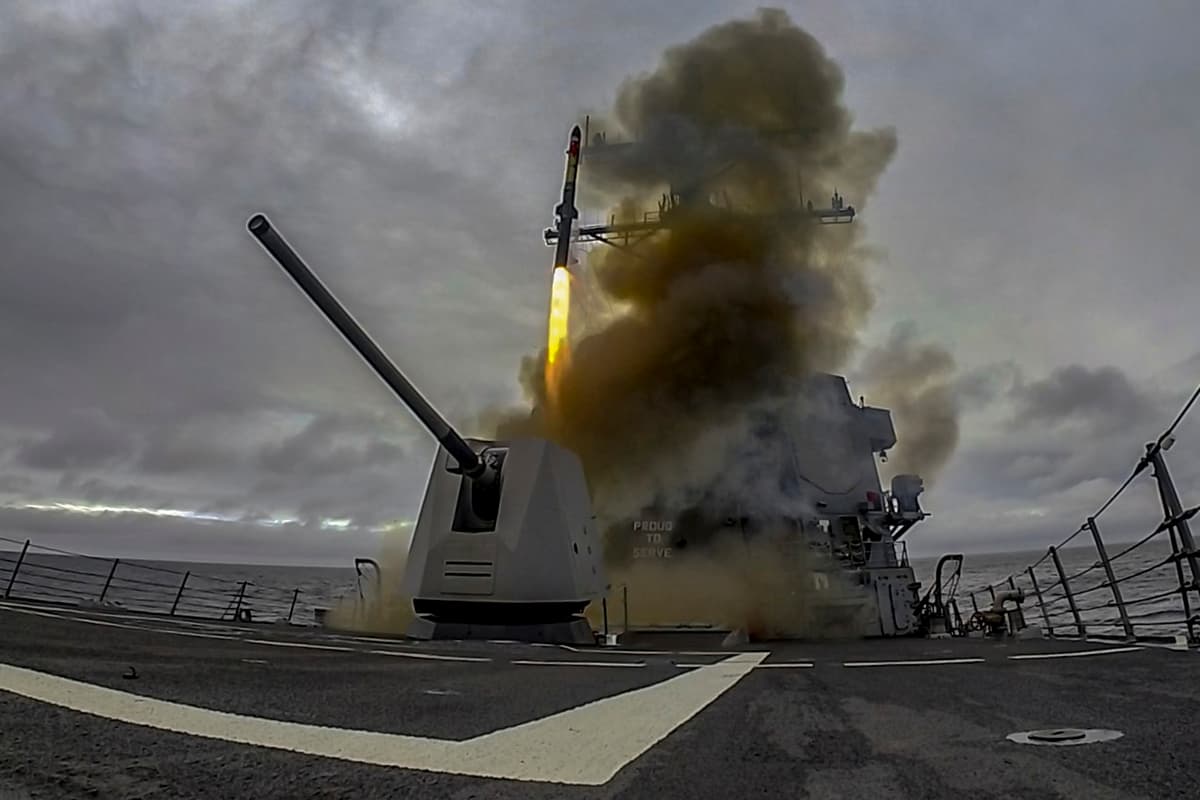
The rise of quiet, long‑range diesel‑electric and nuclear submarines has stretched the U.S. Navy’s traditional anti‑submarine warfare (ASW) envelope. Existing VL‑ASROC missiles, such as the RUM‑139C, can only launch a lightweight torpedo a few miles from the launch platform, forcing surface ships to operate within the sonar horizon of hostile subs. By extending the strike distance, a new stand‑off weapon can keep surface combatants safely outside detection zones while still delivering a lethal payload.
LRAW’s FY 2027 budget of $11.4 million earmarks funds for preliminary design, modification of current vertical launch rounds, and the production of test articles. Although technical details remain scarce, the program is expected to follow the RUM‑139’s launch‑and‑recover model, propelling a Mark‑46 or Mark‑54 torpedo to a far‑range drop point. Crucially, the schedule includes an AUKUS Requirements Working Group review, indicating that the weapon will be engineered for seamless integration with the MK‑41 vertical launch system used by the United States, Royal Australian Navy and Royal Navy. This commonality could accelerate fielding on Australian and British frigates equipped with strike‑length VLS cells.
Strategically, LRAW addresses two pressing challenges: the shrinking pool of serviceable RUM‑139 missiles and the need for interoperable undersea capabilities under AUKUS Pillar 2. By delivering a longer‑range, mass‑produced ASW solution, the Navy can sustain its undersea dominance without costly retrofits. The program also opens opportunities for defense contractors specializing in propulsion, guidance and torpedo integration, potentially reshaping the ASW industrial base for the next decade.
U.S. Navy wants new LRAW Stand-off Anti-Submarine Weapon
Comments
Want to join the conversation?
Loading comments...