US-Nigerian Strike Kills Senior ISIS Leader Abu Bakr Al-Mainuki in Lake Chad

Why It Matters
The killing of Abu Bakr al‑Mainuki represents a rare success against a senior ISIS operative in Africa, highlighting the effectiveness of U.S.-Nigeria intelligence cooperation. By removing a key architect of ISWAP’s financing and cross‑border operations, the strike could weaken the group’s ability to fund attacks, recruit fighters, and coordinate assaults across the Lake Chad region. Beyond the immediate tactical gain, the operation underscores a shifting U.S. counter‑terrorism posture that embraces direct action in partnership with African states. This approach may reshape how regional security challenges are addressed, prompting other nations to seek similar collaborations or to reassess their own counter‑terrorism strategies in the Sahel and beyond.
Key Takeaways
- •U.S. President Donald Trump announced the death of Abu Bakr al‑Mainuki, labeled ISIS second‑in‑command globally.
- •Nigerian President Bola Tinubu confirmed al‑Mainuki and several lieutenants were killed in a Lake Chad Basin strike.
- •Major General Samaila Uba described the operation as "meticulously planned and highly coordinated" between U.S. and Nigerian forces.
- •Al‑Mainuki was sanctioned by the U.S. in 2023 and linked to the 2018 Dapchi schoolgirl kidnapping.
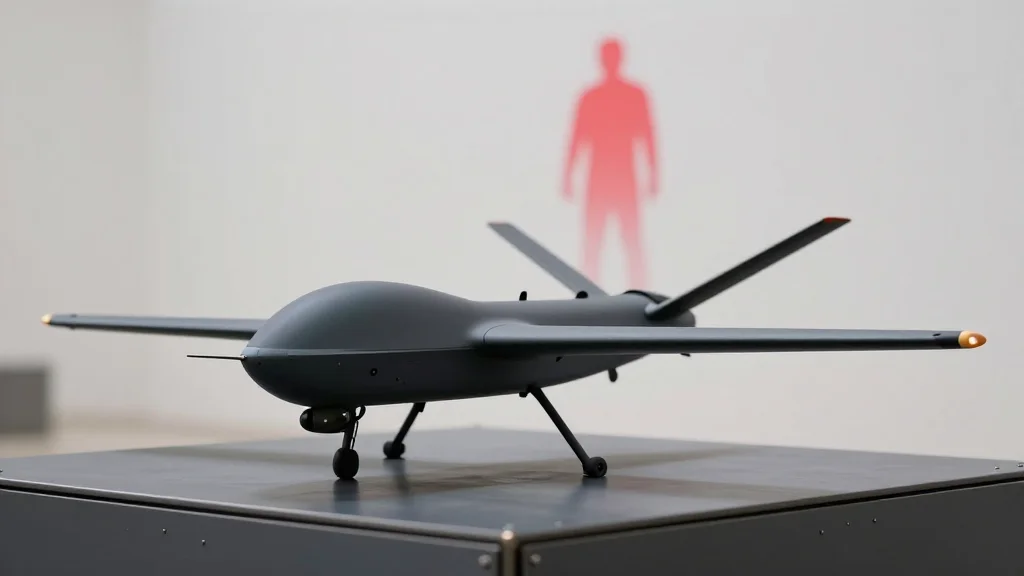
- •The raid follows a February 2026 U.S. troop deployment to Nigeria and a March 2026 drone deployment for advisory and surveillance missions.
Pulse Analysis
The joint U.S.-Nigeria strike on al‑Mainuki signals a new era of proactive, cross‑continental counter‑terrorism. Historically, U.S. engagement in West Africa has been limited to advisory roles and capacity‑building; this operation demonstrates a willingness to employ kinetic force when high‑value targets emerge. The success may embolden Washington to pursue similar missions in the Sahel, where IS affiliates continue to exploit porous borders and weak state presence.
From a strategic perspective, the elimination of a senior IS financial architect could create a short‑term disruption in the flow of illicit revenues that fund ISWAP’s operations. However, the group's decentralized nature means that other financiers could quickly fill the void. Nigerian forces must leverage the intelligence windfall from the raid—captured documents, communications equipment, and local informant networks—to dismantle the broader logistical web. Failure to do so could see the group reconstitute its leadership within months.
Politically, the operation reinforces President Tinubu’s narrative of a strong, capable security apparatus, which may bolster domestic legitimacy amid ongoing criticism over the government's handling of the insurgency. For the United States, the publicized strike serves dual purposes: it demonstrates resolve to protect American interests abroad and provides a tangible counter‑terrorism win ahead of the 2026 midterm elections. The challenge will be maintaining momentum without overextending resources or provoking backlash from regional actors wary of foreign military footprints.
US-Nigerian Strike Kills Senior ISIS Leader Abu Bakr al-Mainuki in Lake Chad
Comments
Want to join the conversation?
Loading comments...