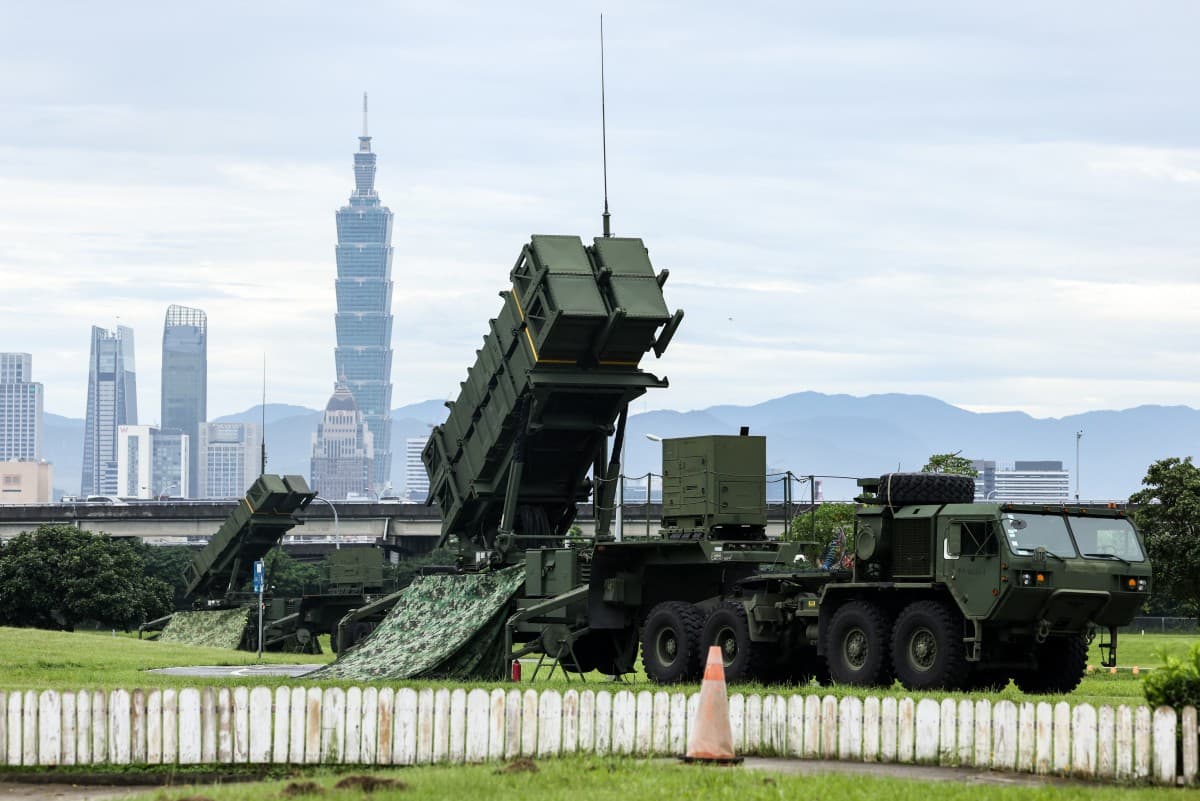
U.S. Pauses $14 Billion Arms Sales to Taiwan to Prioritize Iran War Needs: American Navy Secretary Says
Why It Matters
The hold on Taiwan’s largest pending arms package signals a potential shift in U.S. strategic focus, affecting regional security dynamics and the credibility of U.S. security guarantees in the Asia‑Pacific.
Key Takeaways
- •US Navy pauses $14 bn Taiwan arms sale for Iran munitions
- •Acting secretary Hung Cao cites “Epic Fury” operation as priority
- •President Trump says Taiwan sale may serve as China bargaining chip
- •Taiwan defense minister stays cautiously optimistic about eventual approval
- •Delay underscores US balancing Indo‑Pacific support with Middle‑East war needs
Pulse Analysis
The United States’ decision to suspend a $14 billion weapons package for Taiwan underscores a broader strategic calculus that pits East Asian deterrence against pressing Middle‑East operational demands. While the Taiwan Relations Act obligates Washington to provide sufficient defense articles, the Pentagon’s current focus on "Epic Fury"—the codename for intensified munitions support in the Iran theater—has forced a temporary reallocation of scarce ammunition stocks. This move not only delays Taiwan’s modernization plans but also raises questions about the reliability of U.S. security guarantees amid rising cross‑strait tensions.
President Donald Trump’s recent remarks add a diplomatic layer to the pause, positioning the pending sale as a potential leverage point in negotiations with Beijing. By framing the $14 billion package as a bargaining chip, the administration signals a willingness to intertwine arms sales with broader geopolitical bargaining, a departure from the traditional policy of separating defense commitments from diplomatic overtures. Taiwan’s Defense Minister Wellington Koo, however, remains cautiously optimistic, emphasizing that maintaining the sales channel aligns with U.S. interests despite current setbacks.
Analysts warn that prolonged delays could erode confidence among Taiwan’s defense industry and its allies, potentially prompting Taipei to seek alternative suppliers or accelerate indigenous development programs. Moreover, the episode illustrates the delicate balance Washington must strike between supporting allies in the Indo‑Pacific and sustaining combat operations elsewhere, notably in the Middle East. As the U.S. navigates these competing priorities, the outcome will likely influence not only regional power calculations but also the future architecture of American foreign military sales.
U.S. Pauses $14 Billion Arms Sales to Taiwan to Prioritize Iran War Needs: American Navy Secretary Says
Comments
Want to join the conversation?
Loading comments...