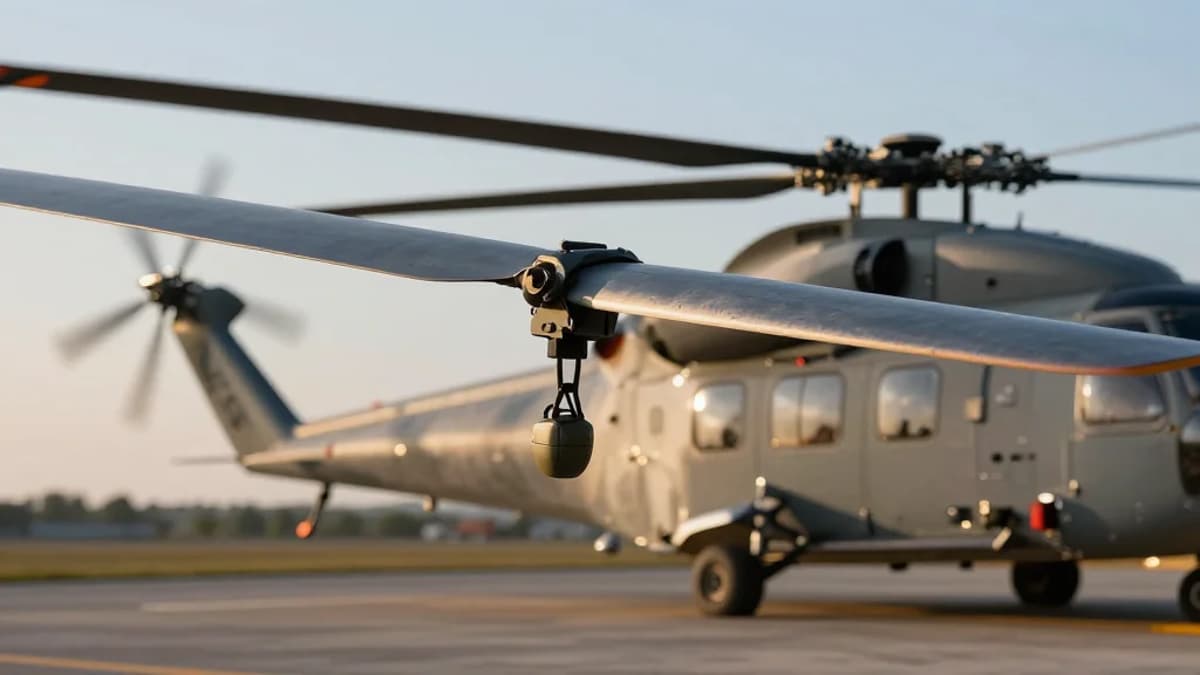
US Prepares Israel to House CH-53K ‘Pereh’ Helicopter Fleet
•February 24, 2026
0
Why It Matters
Modernizing Israel’s heavy‑lift fleet boosts its rapid deployment and humanitarian response capacity while reinforcing U.S. strategic partnership in the Middle East.
Key Takeaways
- •$96M Exyte contract equips Israel for 12 CH‑53K helicopters.
- •Fleet to replace 22 aging CH‑53D Yas’ur aircraft.
- •Tel Nof base will host and support new “Pereh” fleet.
- •First helicopter expected in Israel by 2028.
- •$130M Elbit deal adds Israeli avionics and DIRCM.
Pulse Analysis
The CH‑53K King Stallion, known in Israel as the “Pereh,” represents the most powerful heavy‑lift rotorcraft in the U.S. inventory, capable of moving 36,000 lb payloads across long distances. Israel’s decision to acquire twelve of these platforms marks a decisive shift from its legacy CH‑53D fleet, some of which date back to the Cold War era. By fielding the Pereh, the Israeli Air Force gains a modern lift capability that can support rapid troop insertion, equipment transport, and disaster relief missions, aligning with its evolving operational doctrine.
The $96 million Exyte contract focuses on ground infrastructure, hangars, and support equipment at Tel Nof, ensuring the fleet can be serviced and maintained locally. Complementary contracts—a $9.5 million Sikorsky tooling award and a $130 million Elbit Systems integration deal—embed Israeli avionics, electronic‑warfare suites, and the advanced DIRCM missile‑defeat system into each helicopter. This blend of U.S. airframe technology with indigenous Israeli systems not only shortens the logistics chain but also sustains the domestic defense industrial base, creating export‑ready capabilities for future allies.
The procurement underscores the deepening defense partnership between Washington and Jerusalem, reinforcing U.S. influence in a volatile region while providing Israel with a strategic lift asset that can operate in contested environments. For the U.S. defense sector, the program showcases the commercial viability of the CH‑53K platform beyond American forces, potentially opening new export markets. As the first Pereh arrives in 2028, analysts expect a ripple effect on regional force postures and on future joint‑development projects.
US prepares Israel to house CH-53K ‘Pereh’ helicopter fleet
0
Comments
Want to join the conversation?
Loading comments...