U.S. Push for Lebanon Ceasefire Stalls as Israel Eyes Beirut Strikes
Why It Matters
A failed ceasefire raises the risk of a wider regional war and threatens to derail the delicate U.S.–Iran nuclear negotiations that hinge on stability in Lebanon.
Key Takeaways
- •Rubio urged Hezbollah to halt missiles, Israel to spare Beirut.
- •U.S. ceasefire talks stalled despite Pentagon meetings between Israeli and Lebanese officers.
- •Israel seeks U.S. green light for large-scale strikes on Hezbollah in Beirut.
- •Iran‑U.S. nuclear talks hinge on ending Lebanon fighting, raising diplomatic stakes.
Pulse Analysis
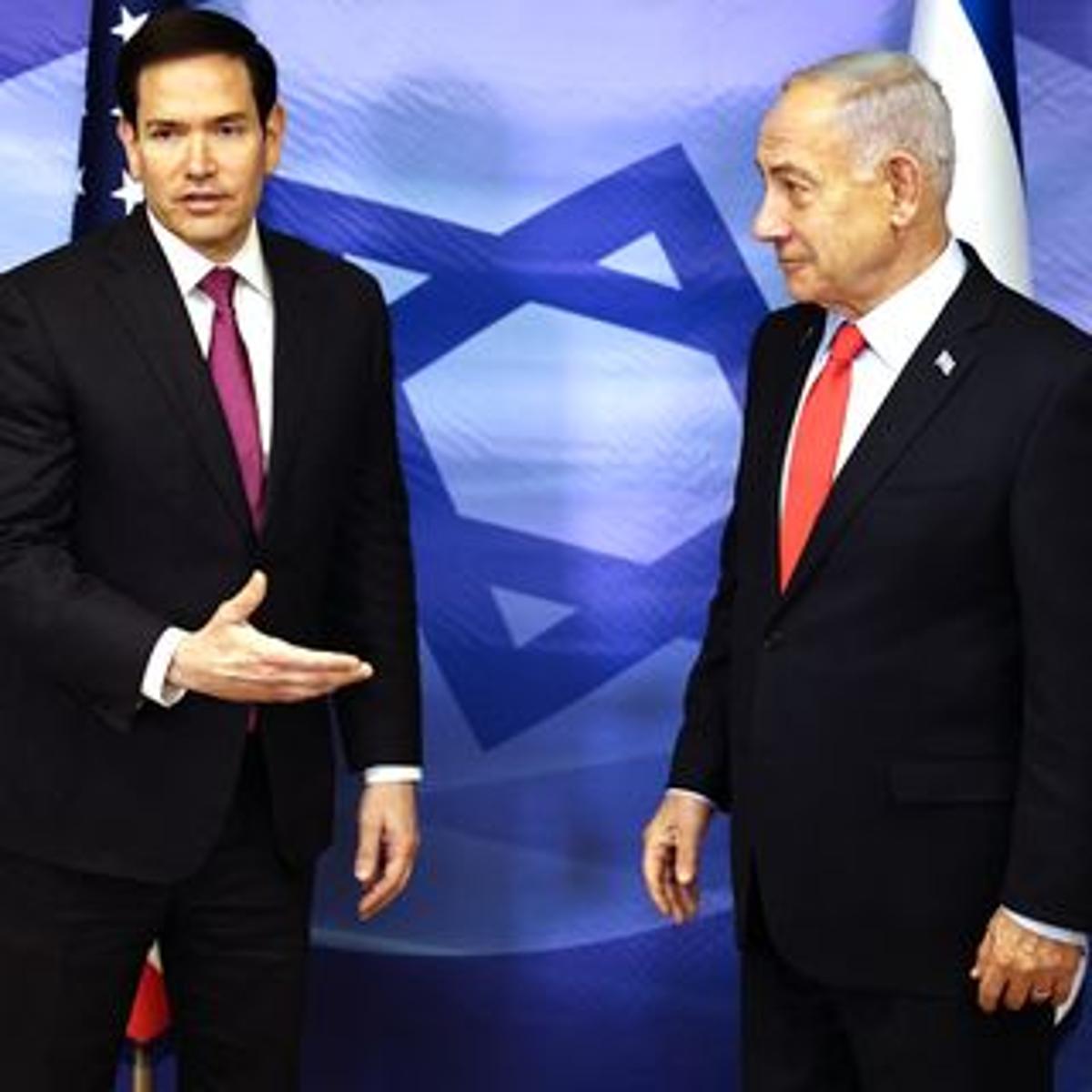
The United States has been pressing for a ceasefire in Lebanon as part of a broader strategy to de‑escalate the Israel‑Hezbollah conflict and create conditions favorable to a U.S.–Iran nuclear deal. Secretary of State Marco Rubio’s recent outreach to Lebanese President Joseph Aoun and Israeli Prime Minister Benjamin Netanyahu reflects Washington’s attempt to broker a reciprocal pause: Hezbollah would cease missile and drone attacks, while Israel would refrain from striking Beirut. Despite these diplomatic overtures, the ceasefire remains on paper, with both sides accusing the other of violating prior agreements.
On the ground, Israel’s military has intensified its operations, expanding the ground invasion in southern Lebanon and requesting a U.S. green light for massive strikes on Hezbollah infrastructure in Beirut. Hezbollah, backed by Iran’s Revolutionary Guards, has responded with longer‑range missiles and drones, raising the specter of a broader regional conflagration. The Pentagon’s recent meetings with Israeli and Lebanese officers underscore the urgency, yet no concrete disarmament or withdrawal plan has emerged, leaving civilian populations on both sides vulnerable to escalation.
The diplomatic fallout extends beyond the immediate theater. U.S. policymakers view a stable Lebanon as a prerequisite for advancing the nuclear talks with Iran; any escalation could embolden hardliners in Tehran and undermine leverage in Washington’s negotiations. Moreover, the failure to secure a credible ceasefire may compel the United States to reassess its support for Israel’s military options, potentially reshaping the balance of power in the Middle East and influencing future U.S. foreign‑policy calculations.
U.S. push for Lebanon ceasefire stalls as Israel eyes Beirut strikes
Comments
Want to join the conversation?
Loading comments...