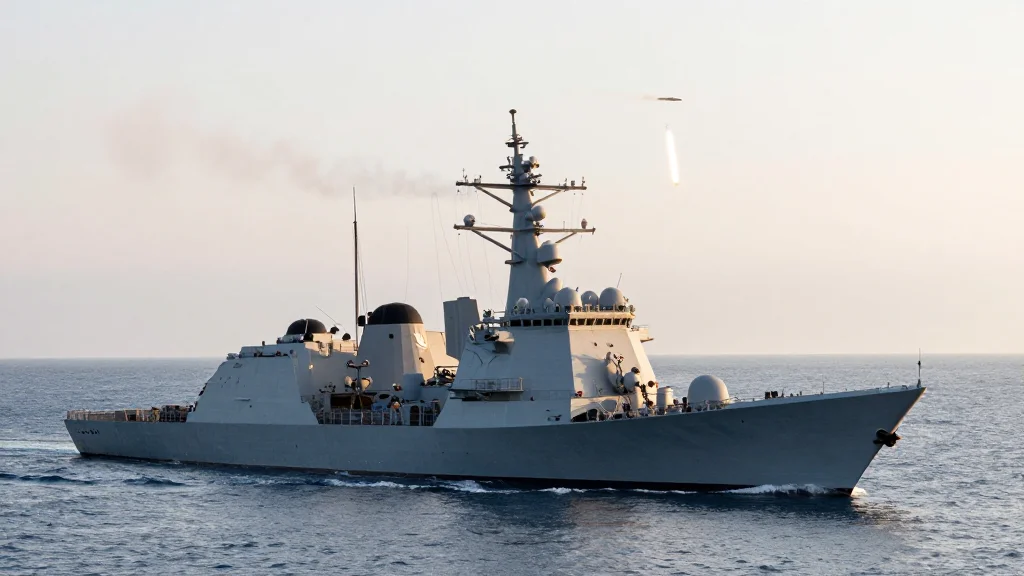
US Says It Carried Out Retaliatory Strikes Against Iran
Why It Matters
The strikes raise the risk of renewed U.S.–Iran hostilities, threatening vital oil transit through the Strait of Hormuz and complicating diplomatic efforts to resolve the nuclear standoff.
Key Takeaways
- •U.S. hit Iranian missile, drone, and ISR sites in retaliation
- •Three U.S. destroyers were targeted by Iranian missiles and boats
- •No U.S. assets were damaged; strikes claimed self‑defense
- •Cease‑fire from April 7 now in question, affecting oil flow
Pulse Analysis
The latest U.S. retaliatory strikes mark a sharp escalation in a conflict that has hovered under a fragile cease‑fire since early April. After Iran’s joint military command accused Washington of violating the truce by striking an oil tanker, Tehran launched a barrage of missiles, drones, and fast‑attack boats at three U.S. destroyers navigating the strategic Strait of Hormuz. The U.S. response, focused on degrading Iranian launch platforms and command nodes, underscores a doctrine of immediate self‑defense while signaling a reluctance to broaden the fight.
Strategically, the targeted facilities—missile launch sites, drone launch pads, and intelligence‑surveillance‑reconnaissance hubs—are critical to Iran’s ability to project power in the Gulf. By neutralizing these assets, the United States aims to blunt Tehran’s capacity to threaten shipping lanes that move roughly one‑fifth of the world’s oil and gas. The operation also serves as a deterrent message to other regional actors, reinforcing U.S. commitment to protect commercial navigation without committing to a full‑scale war.
Diplomatically, the strikes complicate ongoing negotiations. Washington has proposed a cease‑fire extension that leaves Iran’s nuclear program and the reopening of the Strait unresolved, hoping to buy time for a broader settlement. However, Tehran’s perception of U.S. aggression could harden its bargaining position, potentially delaying a return to the diplomatic track. Market participants watch closely, as any disruption in Hormuz traffic can trigger spikes in global oil prices, reinforcing the geopolitical link between military actions and energy markets.
US Says It Carried Out Retaliatory Strikes Against Iran
Comments
Want to join the conversation?
Loading comments...