US Says It Intercepted ‘Stateless Sanctioned’ Oil Vessel in Asia-Pacific, Amid Iran Crackdown
Why It Matters
The interdiction signals a broader U.S. strategy to choke Iran’s oil‑smuggling networks by extending sanctions enforcement into the Indo‑Pacific, raising compliance risks for global shippers and tightening pressure on Tehran amid stalled nuclear talks.
Key Takeaways
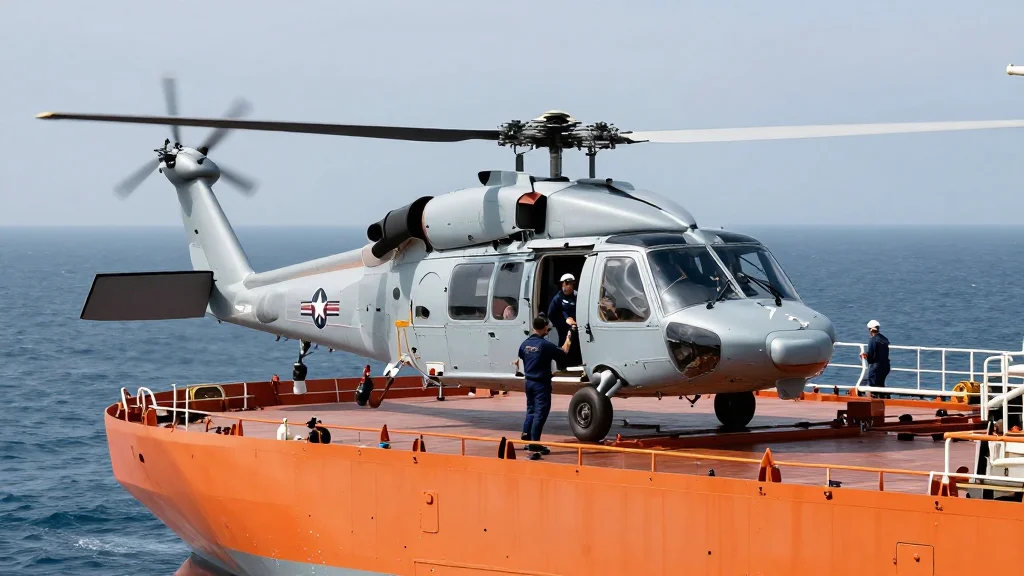
- •US boarded the orange tanker M/T Tifani in INDOPACOM waters
- •Vessel labeled “stateless sanctioned,” linked to Iranian oil networks
- •Operation shows US extending sanctions enforcement beyond Middle East
- •No resistance reported; boarding completed without incident
- •Signals heightened US pressure on Iran amid stalled nuclear talks
Pulse Analysis
S. Department of Defense announced a successful right‑of‑visit and boarding of the motor tanker M/T Tifani in the Indo‑Pacific Command’s area of responsibility. The vessel, described as “stateless sanctioned,” was intercepted without resistance, with helicopters deploying onto its bright orange hull. S. sanctions enforcement extends beyond the Gulf and Strait of Hormuz, where most Iranian oil activity has traditionally been monitored. S.
surveillance assets can rapidly respond to sanction violations. Iranian oil networks have increasingly relied on “stateless” vessels to evade detection, registering ships under shell companies or flagging them to jurisdictions that lack robust oversight. The interception of Tifani demonstrates Washington’s willingness to apply maritime interdiction tools across the vast Pacific and Indian Ocean corridors that funnel crude to Asian markets. Shipping firms now face heightened compliance scrutiny, as any vessel suspected of moving sanctioned petroleum could be boarded under international law, raising operational costs and insurance premiums. Consequently, insurers are revising war‑risk clauses to reflect the heightened likelihood of boarding incidents.
S. pressure on Tehran, with former President Donald Trump reiterating a blockade until a comprehensive deal ends hostilities. While diplomatic talks in Islamabad remain uncertain, the visible enforcement action signals to Iran and its partners that sanctions will be pursued wherever vessels operate. Analysts predict that such interdictions could tighten global oil supply, modestly supporting prices, but also risk disrupting legitimate trade routes if misapplied, prompting calls for clearer multilateral guidelines. S. maintains this trajectory, multinational coalitions may be compelled to coordinate similar interdictions, shaping future maritime security norms.
US says it intercepted ‘stateless sanctioned’ oil vessel in Asia-Pacific, amid Iran crackdown
Comments
Want to join the conversation?
Loading comments...