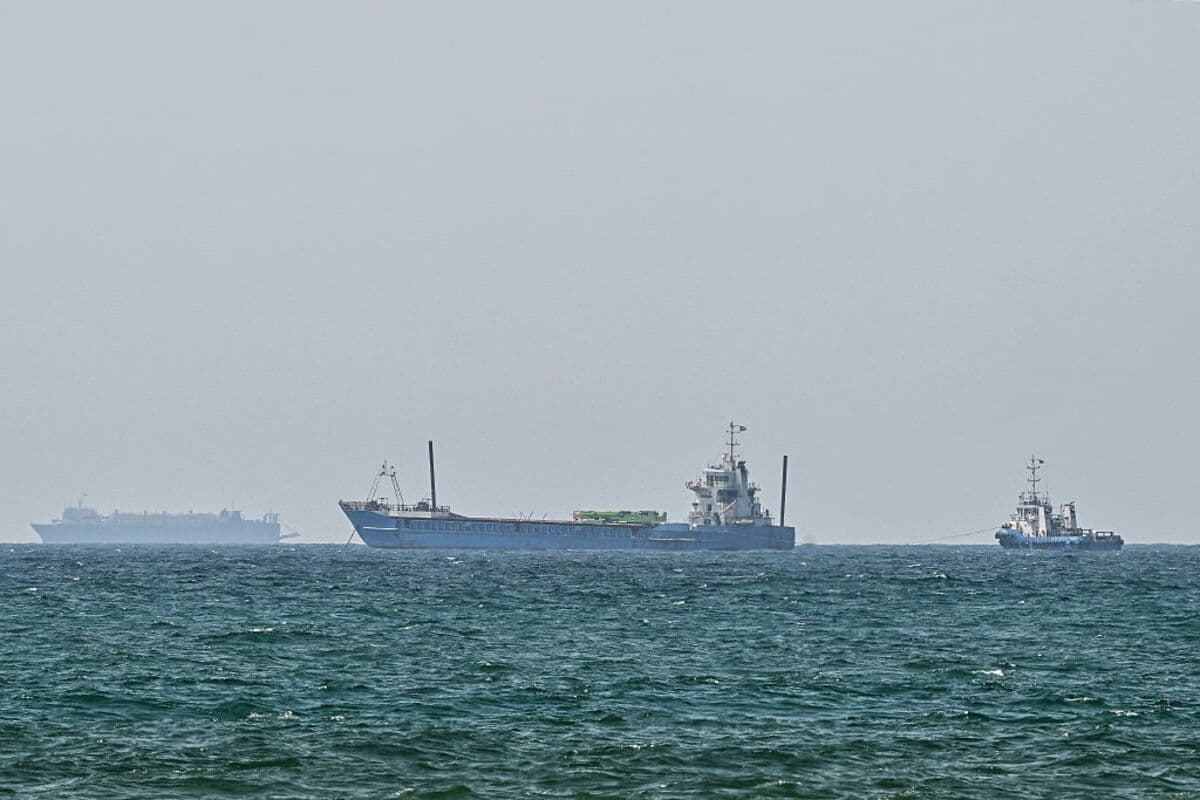
US Says Its Blockade Against Iran Has Redirected 100 Vessels
Why It Matters
Redirecting 100 vessels underscores the U.S. ability to exert rapid maritime pressure on Iran, potentially reshaping regional trade flows and heightening geopolitical tension in a critical oil corridor.
Key Takeaways
- •100 commercial vessels rerouted in six weeks
- •Operation backed by 200+ aircraft and two carrier strike groups
- •Blockade targets all vessels entering or leaving Iranian Gulf ports
- •Enforcement began April 13, covering Arabian Gulf and Gulf of Oman
Pulse Analysis
The United States’ decision to impose a naval blockade around Iran marks a significant escalation in a long‑standing effort to curb Tehran’s regional influence. By leveraging a formidable mix of carrier strike groups, destroyers and a fleet of over 200 aircraft, the U.S. can monitor and interdict maritime traffic far more effectively than traditional sanctions alone. This approach reflects a broader shift toward kinetic maritime tools to enforce foreign policy, especially in the strategically vital Arabian Gulf and Gulf of Oman, where a sizable share of global oil shipments transit daily.
For global shippers, the redirection of 100 vessels in just six weeks signals heightened operational risk and potential cost spikes. Companies reliant on Gulf routes may face longer transit times, rerouting fees, and increased insurance premiums as insurers reassess exposure to conflict‑adjacent waters. Moreover, the blockade could tighten the supply of Iranian oil on the world market, nudging prices upward and prompting buyers to seek alternative sources. Stakeholders in energy‑intensive sectors should therefore monitor freight indices and consider diversifying logistics strategies to mitigate disruption.
Looking ahead, the blockade’s durability will hinge on diplomatic negotiations and the willingness of regional actors to either support or oppose U.S. actions. Tehran may respond with asymmetric tactics, such as deploying fast‑attack craft or leveraging proxy forces, which could further destabilize shipping lanes. Businesses operating in the Middle East are advised to maintain robust contingency plans, engage with maritime security firms, and stay attuned to policy updates from both Washington and allied governments. The evolving maritime posture underscores the importance of agile risk management in an increasingly contested global trade environment.
US Says Its Blockade Against Iran Has Redirected 100 Vessels
Comments
Want to join the conversation?
Loading comments...