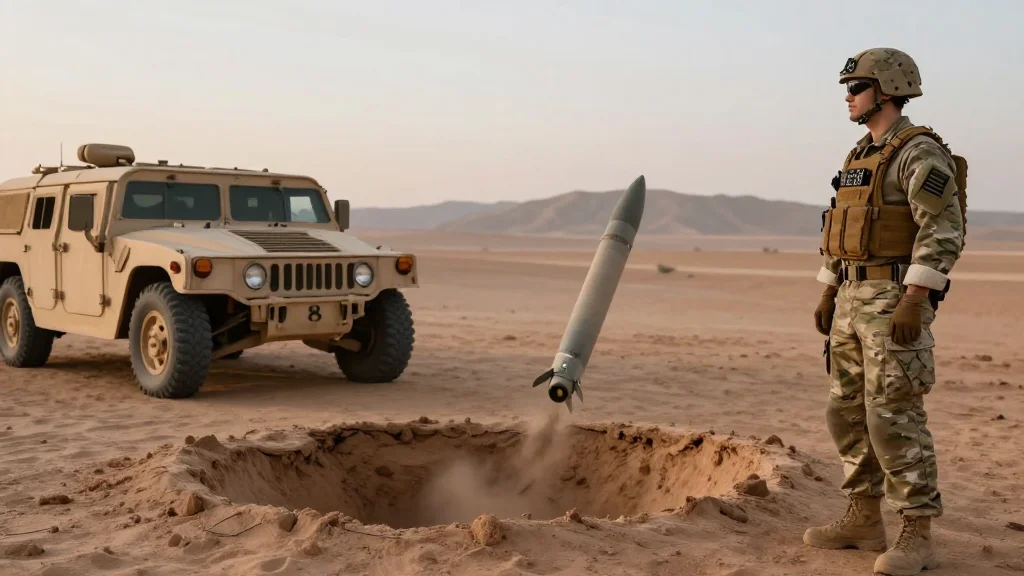
US Soldiers Hurt in Iran Strike, WH Weighs Ceasefire Extension
Why It Matters
The strike highlights the risk of direct U.S. involvement in the Israel‑Iran confrontation, potentially reshaping American military posture in the region. An extended cease‑fire could limit escalation but also constrains U.S. strategic flexibility.
Key Takeaways
- •Two U.S. soldiers wounded by Iranian missile in Iraq
- •White House mulls cease‑fire extension amid rising tensions
- •Defense reviews engagement rules for troops near conflict zone
- •Incident raises stakes for U.S. regional security commitments
- •Potential diplomatic push to de‑escalate Israel‑Iran hostilities
Pulse Analysis
The recent Iranian missile strike that injured two American service members marks a rare instance of direct combat impact on U.S. troops in the broader Israel‑Hamas war. While the conflict has largely been confined to Gaza, the proximity of Iranian-backed militias in Iraq and Syria has created a volatile spill‑over environment. Washington’s immediate response—medical evacuation and a public assessment of force protection—signals a heightened vigilance among Pentagon planners, who now must balance deterrence with the risk of broader entanglement.
In Washington, the White House is weighing an extension of the temporary cease‑fire brokered between Israel and Hamas. Policymakers argue that a longer pause could reduce the likelihood of Iranian retaliation and give diplomatic channels time to negotiate de‑escalation measures. However, extending the truce also limits Israel’s operational freedom and may be perceived as a concession to Tehran, complicating U.S. strategic messaging. The decision will hinge on intelligence assessments of Iranian intent and the ability of regional actors to contain proxy actions.
For businesses and investors, the incident introduces renewed uncertainty into Middle‑East energy markets and defense supply chains. A potential escalation could disrupt oil flows through the Strait of Hormuz, prompting price volatility that affects global commodities. Simultaneously, heightened alert levels for U.S. forces may spur increased defense spending on force‑protection technologies. Stakeholders should monitor diplomatic developments closely, as any shift in U.S. engagement policy could reverberate across geopolitical risk assessments and market forecasts.
US Soldiers Hurt in Iran Strike, WH Weighs Ceasefire Extension
Comments
Want to join the conversation?
Loading comments...