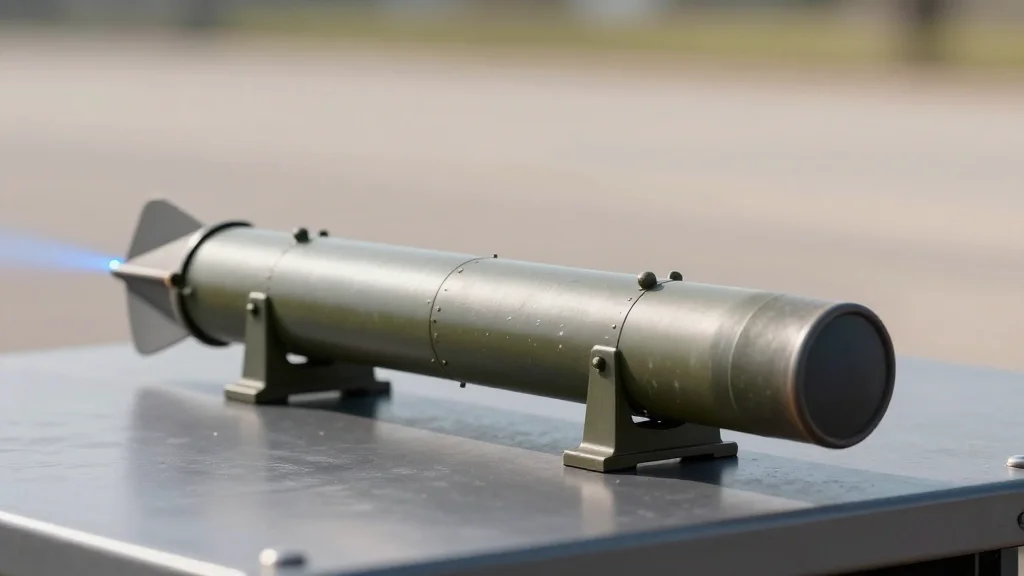
U.S. State Dept Clears $5 B Qatar Patriot and APKWS Sale to Boost Air Defense

Companies Mentioned

Why It Matters
The clearance of a $5 billion Patriot and APKWS sale to Qatar strengthens the kingdom’s ability to defend against ballistic missile threats and enhances its precision‑strike options, directly contributing to the security architecture of the Gulf. By integrating U.S. systems, Qatar improves interoperability with American forces, which could translate into faster joint response times in a region where missile proliferation and drone warfare are escalating. Beyond the immediate capability boost, the emergency determination signals a shift in U.S. export policy, favoring rapid delivery over congressional scrutiny. This approach may accelerate future sales to other allies but also raises questions about oversight, technology transfer risks, and the long‑term strategic balance in the Middle East.
Key Takeaways
- •U.S. State Dept approved $5 billion foreign‑military sale to Qatar (Patriot $4.01 bn, APKWS $992.4 m).
- •Emergency determination waives congressional review, enabling immediate delivery.
- •Deal includes 200 PAC‑2 and 300 PAC‑3 missiles, radars, launchers, and 10,000 APKWS‑II rockets.
- •Lockheed Martin, RTX (Patriot) and BAE Systems (APKWS) named as prime contractors.
- •Sale represents ~30% of Qatar’s projected 2026 defence budget of $17 bn.
Pulse Analysis
The Qatar sale illustrates how Washington is leveraging emergency FMS authority to cement strategic footholds in the Gulf. Historically, U.S. arms sales to the region have been incremental, subject to lengthy congressional review. By bypassing that process, the State Department can respond to perceived threats more swiftly, but it also reduces legislative oversight, potentially setting a precedent for future high‑value deals.
From a market perspective, the contract injects significant revenue into the defense supply chain, benefitting Lockheed Martin, RTX and BAE Systems at a time when the industry is navigating post‑pandemic production bottlenecks. The Patriot system, a legacy platform, is being upgraded with PAC‑3 missiles that offer hit‑to‑kill capability against advanced threats, while the APKWS‑II provides a cost‑effective alternative to more expensive precision munitions. This blend of high‑end and low‑cost solutions reflects a broader industry trend toward modular, scalable arsenals that can be tailored to an ally’s budget and operational needs.
Strategically, the sale deepens Qatar’s integration into the U.S. defense ecosystem, reinforcing a network of interoperability that includes joint exercises, data‑link sharing, and logistics support. As Iran continues to develop missile capabilities and the region sees an uptick in drone attacks, a robust Patriot shield becomes a cornerstone of deterrence. However, the rapid approval process may invite scrutiny from Congress and watchdog groups concerned about technology proliferation and the long‑term fiscal impact of such large sales. The balance between speed and oversight will likely shape future U.S. foreign‑military sales policy in the Middle East.
U.S. State Dept Clears $5 B Qatar Patriot and APKWS Sale to Boost Air Defense
Comments
Want to join the conversation?
Loading comments...