US Strikes Iranian Military Site and Downs Drones in New Hormuz Threat Operation
Companies Mentioned
Why It Matters
The strike sustains a risk premium that supports higher oil prices and signals a more active U.S. containment posture, while Iran’s steadfast red lines keep regional escalation risks elevated.
Key Takeaways
- •US struck Iranian site threatening Hormuz shipping and forces
- •US shot down four Iranian one-way drones targeting naval and commercial vessels
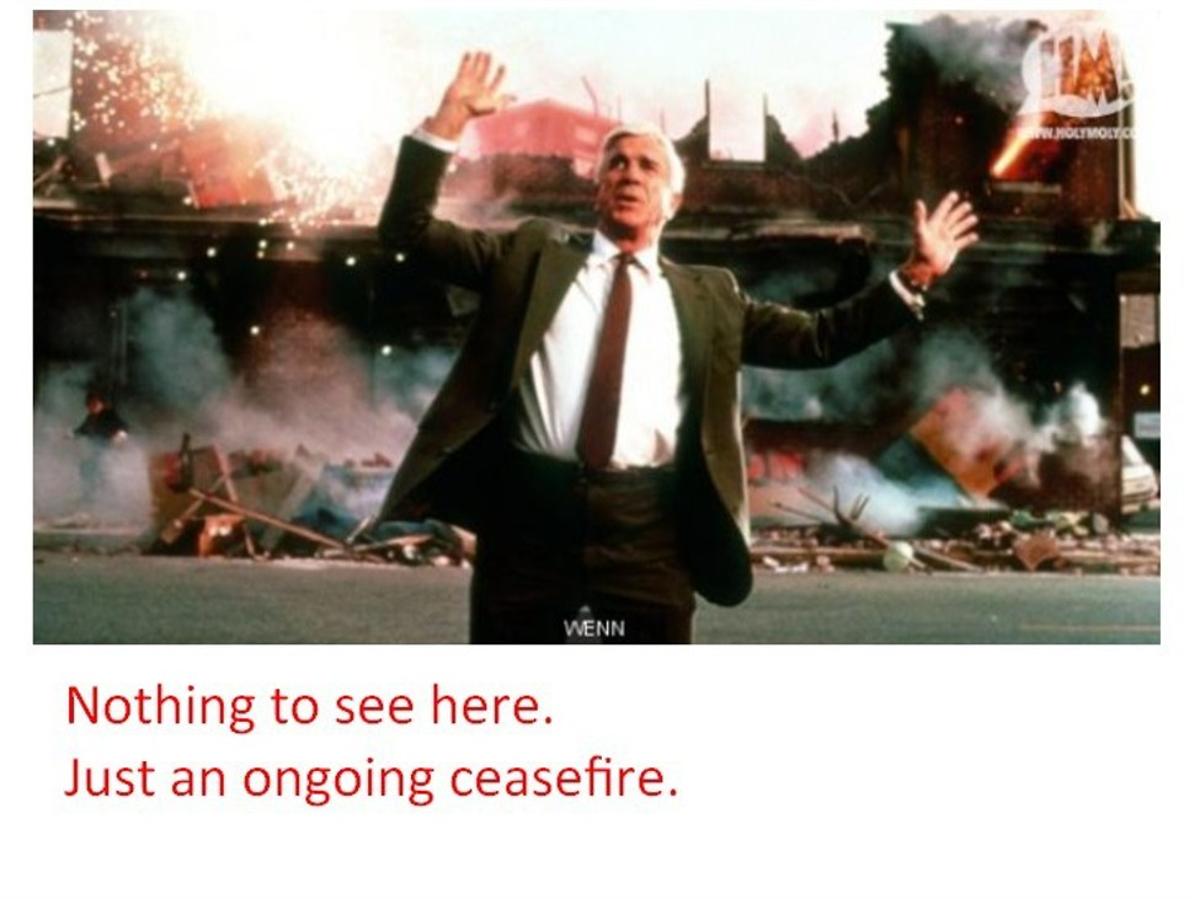
- •Operation framed as defensive, keeping ceasefire technically intact
- •Hormuz risk premium sustains oil prices near $85 per barrel
- •Iran’s red‑line demands stay unchanged, heightening geopolitical tension
Pulse Analysis
The United States military launched a precision strike against an Iranian installation that intelligence assessed as a direct threat to U.S. forces and commercial vessels transiting the Strait of Hormuz. Simultaneously, U.S. warships intercepted and destroyed four one‑way drones that Iran had launched toward a naval ship and a merchant vessel. Officials in Washington described the action as a defensive response, emphasizing that the cease‑fire agreement that ended open hostilities in 2020 remains formally intact. Yet the repeated use of kinetic force inside Iran signals a shift from diplomatic posturing to a more active containment strategy.
The immediate market reaction underscores how tightly oil prices are tethered to security dynamics in the Gulf. Brent and WTI futures nudged higher as traders priced in a renewed risk premium for Hormuz‑bound crude, keeping the price outlook anchored around $85 a barrel, the consensus among surveyed fund managers. Shipping insurers have already begun adjusting premiums for vessels that must navigate the chokepoint, while freight forwarders are revisiting route‑risk assessments. The cumulative effect of each drone interception and ground strike reinforces a perception that supply disruptions remain a plausible scenario through the summer.
From a geopolitical perspective, Tehran’s parliamentary security committee reiterated its four core red lines—uranium enrichment, possession of enriched material, control of the Strait, and sanction removal—without any indication of flexibility. The United States, meanwhile, continues to frame its operations as proportionate and reactive, a narrative designed to preserve the cease‑fire while deterring further Iranian aggression. Analysts warn that the growing cadence of strikes could erode the diplomatic framework, forcing policymakers on both sides to confront a broader escalation. Stakeholders should monitor diplomatic channels closely, as any deviation could reshape energy markets and regional stability.
US strikes Iranian military site and downs drones in new Hormuz threat operation
Comments
Want to join the conversation?
Loading comments...