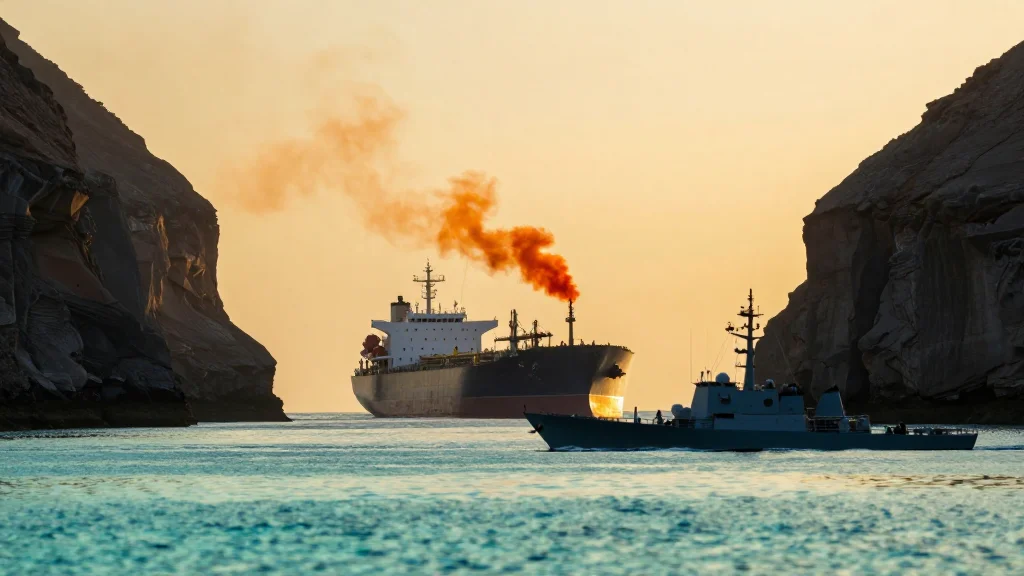
US Strikes Iranian Oil Tankers While Awaiting Tehran Response on Peace Plan
Why It Matters
The action signals a shift from diplomatic overtures to kinetic pressure, threatening to unravel the fragile cease‑fire and impact global oil shipping routes.
Key Takeaways
- •U.S. forces disabled two Iranian oil tankers near Strait of Hormuz
- •Blockade enforcement underscores Washington’s commitment despite a declared cease‑fire
- •Tehran’s pending response to U.S. peace proposal remains uncertain
- •Trump warned of intensified military action if Iran rejects deal
- •Iran’s foreign minister denounced U.S. moves as reckless pressure tactic
Pulse Analysis
The Gulf of Oman and the adjacent Strait of Hormuz remain the world’s most critical chokepoints for crude oil, handling roughly a fifth of daily global supply. By disabling two Iranian‑flagged tankers, the U.S. reaffirmed its naval dominance and the enforcement of a blockade first imposed after Tehran’s 2025 missile strikes on U.S. assets. Such kinetic moves are rare in a conflict that has largely been fought through proxy forces and cyber operations, and they send a clear message that any vessel perceived to support Iran’s war effort will face direct interdiction.
At the same time, Washington is pushing a diplomatic track, with Secretary of State Marco Rubio indicating that Iran’s answer to a new peace framework is expected imminently. The juxtaposition of a hard‑line military strike and a simultaneous overture creates a paradox for Tehran, which has publicly dismissed the action as a ‘reckless military adventure.’ President Trump’s warning of a “much harder, more violent” response adds pressure but also risks undermining the credibility of the peace proposal, potentially pushing negotiations into a stalemate.
Market participants are already factoring the heightened tension into oil price forecasts and maritime insurance premiums. A disruption in the Hormuz corridor could trigger a spike in Brent and WTI benchmarks, while shipping firms may reroute vessels around the Cape of Good Hope, increasing transit times and costs. Analysts caution that if the cease‑fire collapses, the region could see a cascade of retaliatory strikes, further destabilizing Middle‑East energy markets. Observers will watch Iran’s forthcoming reply closely, as it will dictate whether diplomatic channels can regain momentum or if the conflict escalates into broader naval confrontations.
US strikes Iranian oil tankers while awaiting Tehran response on peace plan
Comments
Want to join the conversation?
Loading comments...