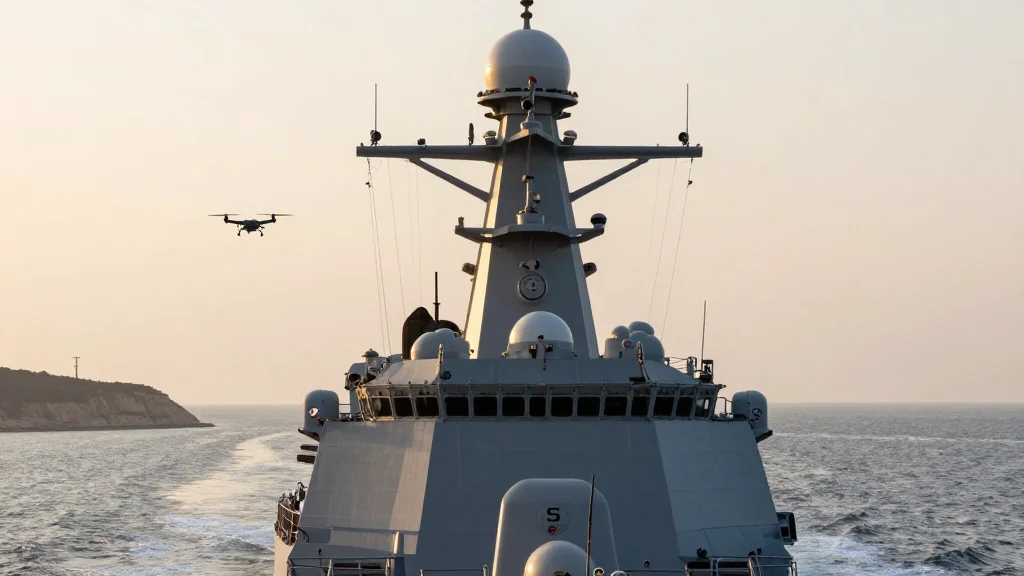
U.S. Strikes Iranian Radar Sites as Tehran Fires Missiles at Gulf Bases

Why It Matters
The exchange of fire in the Gulf threatens to destabilize one of the world’s most critical energy chokepoints. Any prolonged disruption to the Strait of Hormuz could spike oil prices, strain global supply chains, and force nations to reconsider their energy security strategies. Moreover, the incident tests the durability of the cease‑fire that has prevented a full‑scale war since 2025, and it highlights the limits of diplomatic engagement when both sides maintain robust military postures. For regional actors, the skirmish signals that Iran remains willing to project power beyond its borders, while the United States is prepared to use kinetic force to safeguard commercial navigation and its own forward bases. The interplay between military actions and diplomatic overtures—such as the visa processing for Iran’s football team—illustrates the delicate balance of deterrence and engagement that will shape Middle Eastern security for months to come.
Key Takeaways
- •U.S. forces downed multiple Iranian drones and struck two radar sites on Iran’s coast on June 6, 2026
- •Iran responded with missile attacks on U.S. bases in Bahrain and Qatar, citing retaliation for the radar strikes
- •Foreign Minister Abbas Araghchi framed the U.S. action as part of broader external interference
- •U.S. Ambassador Tom Barrack highlighted visa processing for Iran’s World Cup team, underscoring diplomatic complexity
- •The Strait of Hormuz, handling ~20% of global oil, remains a flashpoint that could impact worldwide energy markets
Pulse Analysis
The latest U.S.–Iran exchange illustrates a classic security dilemma in a high‑stakes maritime environment. Both sides are acting on perceived threats: Washington seeks to neutralize Iran’s air‑defense radar that could jeopardize commercial shipping, while Tehran views any U.S. strike as an infringement on sovereignty that must be answered with kinetic force. This tit‑for‑tat dynamic is amplified by the strategic importance of the Strait of Hormuz, where even a brief interruption can reverberate through global oil markets.
Historically, the Gulf has been a theater for proxy confrontations, but the current episode marks a rare direct engagement between the two militaries since the 2025 war. The use of drones and short‑range missiles suggests a calibrated approach—both sides are testing limits without committing to a full‑scale invasion. The U.S. decision to target radar sites, rather than conduct a broader air campaign, reflects a desire to avoid escalation while still asserting freedom of navigation. Tehran’s missile response, meanwhile, serves a dual purpose: it signals domestic resolve and warns regional allies of its capability to strike U.S. assets.
Looking forward, the conflict’s trajectory will hinge on diplomatic back‑channel efforts and the willingness of external powers—particularly the EU and China—to mediate. If the cease‑fire collapses, we could see a rapid escalation involving naval assets, which would dramatically increase the risk of accidental engagements. Conversely, a measured de‑escalation could reinforce the precedent that limited, proportionate strikes are permissible under international law, potentially reshaping the rules of engagement in the Gulf for years to come.
U.S. Strikes Iranian Radar Sites as Tehran Fires Missiles at Gulf Bases
Comments
Want to join the conversation?
Loading comments...