U.S. Strikes on Iranian Tankers Raise More Questions over Negotiations to End War
Why It Matters
The escalation threatens to derail fragile negotiations and could choke a critical oil chokepoint, impacting global energy markets and regional stability.
Key Takeaways
- •US F‑18s hit two Iranian tankers, citing blockade violations
- •Trump threatened Iran with “big glow” if cease‑fire not reached
- •Iran’s foreign minister warned US actions undermine diplomatic solution
- •Rubio urged Europe to help reopen Hormuz during Rome diplomatic tour
- •Around 1,600 ships remain stuck in Hormuz, awaiting deal
Pulse Analysis
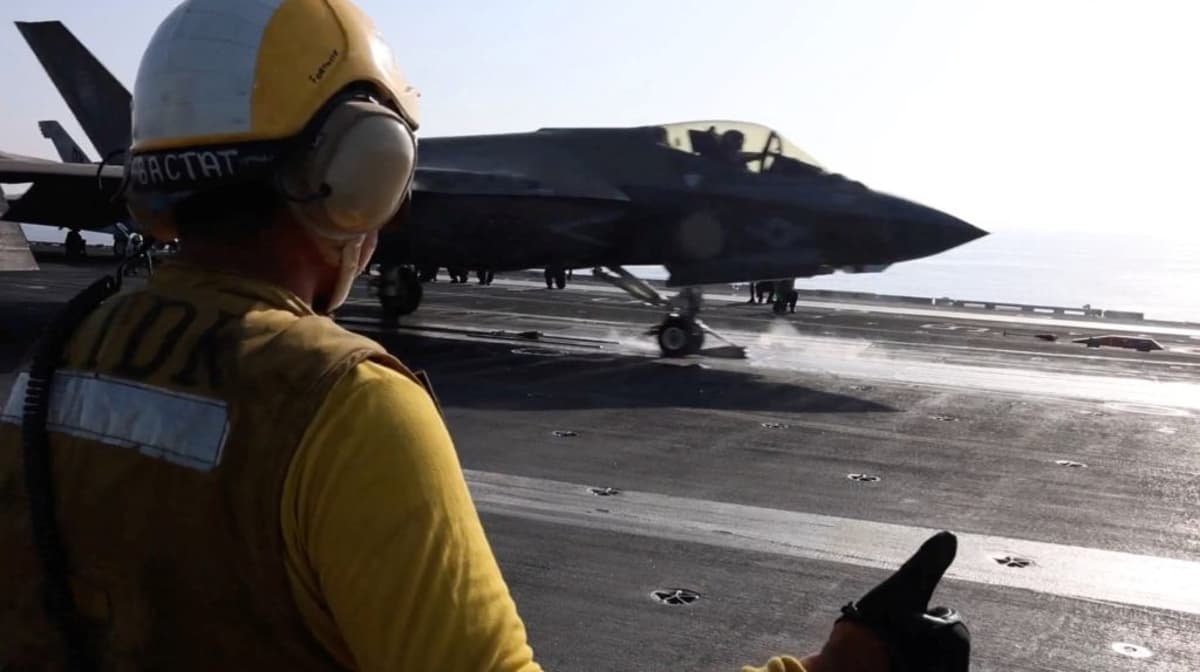
The Strait of Hormuz remains one of the world’s most vital maritime arteries, funneling roughly 20% of global oil shipments. U.S. enforcement of a naval blockade has long been a point of contention, but the recent use of F‑18s to disable Iranian tankers marks a significant escalation. By targeting vessels they claim are attempting to breach the blockade, Washington signals a willingness to employ kinetic force, raising the stakes for any diplomatic overture and reminding commercial operators of the inherent risks of transiting the narrow passage.
Negotiations between Washington and Tehran revolve around a memorandum of understanding that would simultaneously reopen the strait, cap Iran’s nuclear enrichment, and lift crippling sanctions. President Trump’s stark rhetoric—threatening a "big glow" if a cease‑fire is not achieved—contrasts sharply with Iran’s foreign minister’s warning that U.S. military adventurism undermines any chance of a deal. The juxtaposition of hard‑line posturing and behind‑the‑scenes diplomacy underscores the fragile balance; each side’s actions in the waterway could either pressure Tehran toward concessions or entrench its resolve, influencing the broader non‑proliferation agenda.
European allies are being pulled into the fray as Secretary of State Marco Rubio tours Rome, urging the continent to play a constructive role in reopening Hormuz. With about 1,600 ships stalled, the economic fallout could ripple through global supply chains, inflating shipping costs and spiking oil prices. The outcome of these talks will shape not only regional security but also the stability of energy markets worldwide, making the next diplomatic moves a focal point for investors, policymakers, and industry leaders alike.
U.S. strikes on Iranian tankers raise more questions over negotiations to end war
Comments
Want to join the conversation?
Loading comments...