US to Delay Weapons Deliveries to some European Countries Due to Iran War, Sources Say
Why It Matters
The delay exposes a growing strain on U.S. defense inventories and could accelerate a shift in European defense procurement away from American systems, reshaping NATO’s supply‑chain dynamics.
Key Takeaways
- •US delays FMS weapons to Baltic and Scandinavian allies.
- •Iran war depletes US artillery, ammo, and missile stocks.
- •Europe may accelerate domestic weapons programs amid delivery delays.
- •US cites lack of European help opening Strait of Hormuz.
- •Delays risk NATO readiness on Russia’s eastern flank.
Pulse Analysis
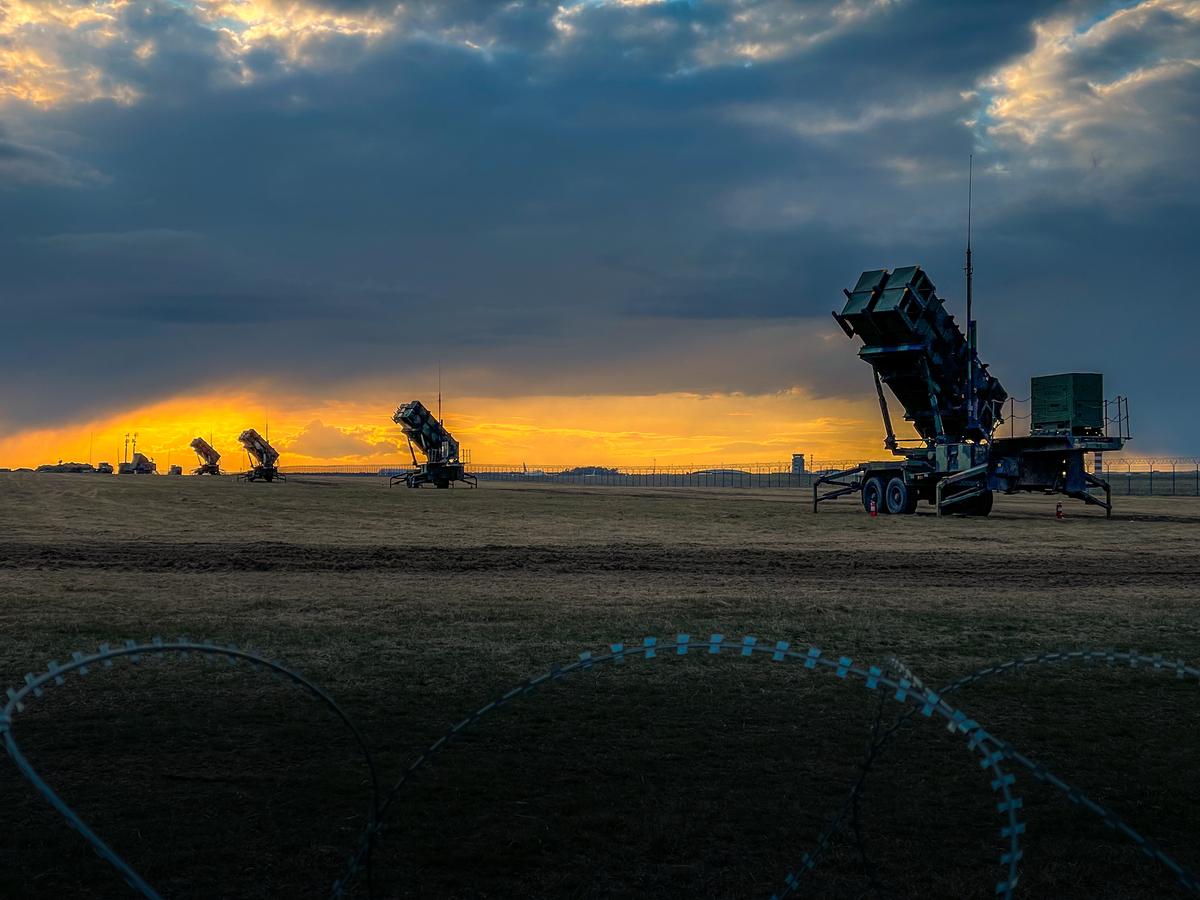
The United States has been drawing down its strategic reserves for years, first to replenish Ukrainian forces after Russia’s 2022 invasion and later to support Israel’s 2023 Gaza campaign. The recent escalation with Iran, sparked by U.S.-Israeli air strikes, has added a new drain on artillery shells, precision munitions and Patriot‑type interceptors. Those same assets were slated for delivery to European allies under the Foreign Military Sales (FMS) program, a cornerstone of Washington’s effort to shift conventional defense costs onto NATO partners.
European nations most affected—countries bordering the Baltic Sea and the Nordic states—rely on timely U.S. deliveries to modernize their deterrence against a potentially aggressive Russia. The postponements force capitals to reconsider their procurement strategies, with some already fast‑tracking domestic or European‑made systems to fill capability gaps. This shift could weaken interoperability, as NATO’s standardization hinges on shared platforms, and it may stimulate growth in the European defense industrial base as governments seek alternatives to U.S. supply constraints.
Strategically, the episode underscores a broader debate over burden sharing within the alliance. Washington’s argument that Europe must step up its own defense spending gains traction when American stockpiles prove insufficient. At the same time, the United States faces pressure to protect its own operational tempo in the Middle East while maintaining credibility with allies. Policymakers on both sides are likely to revisit FMS timelines, inventory management, and joint‑production agreements to ensure that future crises do not repeat this supply‑chain shock.
US to delay weapons deliveries to some European countries due to Iran war, sources say
Comments
Want to join the conversation?
Loading comments...