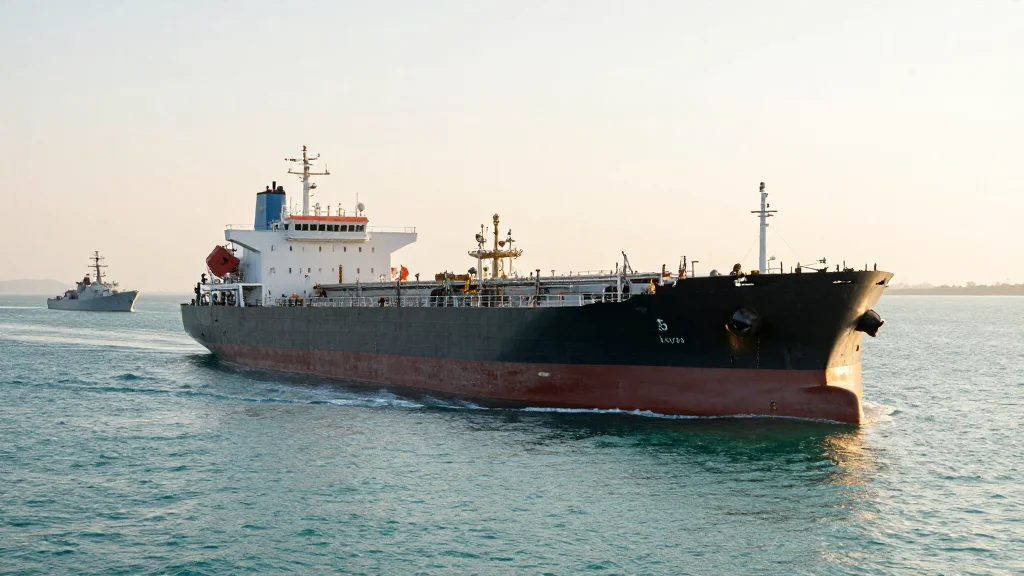
US Top Diplomat Rubio Discusses Iran, Strait of Hormuz with Britain and Australia
Why It Matters
The Strait of Hormuz is a critical energy chokepoint; disruptions threaten global markets and test the cohesion of the U.S.-led alliance.
Key Takeaways
- •Rubio held separate calls with Australia’s Penny Wong and Britain’s Yvette Cooper
- •Discussed Iran’s blockade and restoring navigation in the Strait of Hormuz
- •Strait handles ~20% of global oil and LNG shipments pre‑war
- •US, UK, Australia maintain coordinated sanctions against Iranian networks
- •Trump warns allies of insufficient support; ceasefire remains fragile
Pulse Analysis
The diplomatic outreach by Secretary Rubio highlights how the United States is leveraging its traditional partners to counter Iran’s de‑facto closure of the Strait of Hormuz. This narrow waterway, linking the Persian Gulf to the Arabian Sea, carries a disproportionate share of the world’s petroleum and liquefied natural gas. By engaging both Australia and the United Kingdom, Washington signals a multilateral approach to pressure Tehran and to reassure commercial shippers that a coordinated response is underway.
Energy markets have already felt the strain of the blockade, with crude and LNG pricing spiking as alternative routes—such as the longer Cape route— become necessary. The loss of roughly one‑fifth of global shipments translates into billions of dollars in lost revenue and heightened volatility for downstream industries. Sanctions imposed jointly by the U.S., Britain and Australia aim to choke Iran’s financing channels, but their effectiveness hinges on strict enforcement and the willingness of third‑party nations to comply, especially as Iran seeks workarounds through illicit networks.
Beyond immediate logistics, the episode tests the durability of the U.S.‑led coalition in a high‑stakes geopolitical environment. President Trump’s criticism of allied commitment underscores a broader tension between American expectations and partner capacity. If the cease‑fire remains fragile, further escalation could force a recalibration of naval deployments and diplomatic overtures. Continued dialogue, like Rubio’s calls, will be essential to align strategic objectives, manage market fallout, and deter any attempt by Iran to solidify its control over this vital maritime artery.
US top diplomat Rubio discusses Iran, Strait of Hormuz with Britain and Australia
Comments
Want to join the conversation?
Loading comments...