U.S. Toppled Iran’s Regime With British Help in 1953 — Can Trump Repeat History Sans UK Military in 2026?
Why It Matters
The blockade tests U.S. ability to exert pressure on Iran without allied backing, influencing regional stability and global oil markets.
Key Takeaways
- •US enforces blockade with >15 warships across Iranian Gulf ports
- •UK declines participation, limiting coalition pressure on Tehran
- •Analysts warn blockade may be unsustainable without diplomatic backing
- •China and Russia provide economic support to Iran amid sanctions
- •1953 blockade led to coup; 2026 context differs dramatically
Pulse Analysis
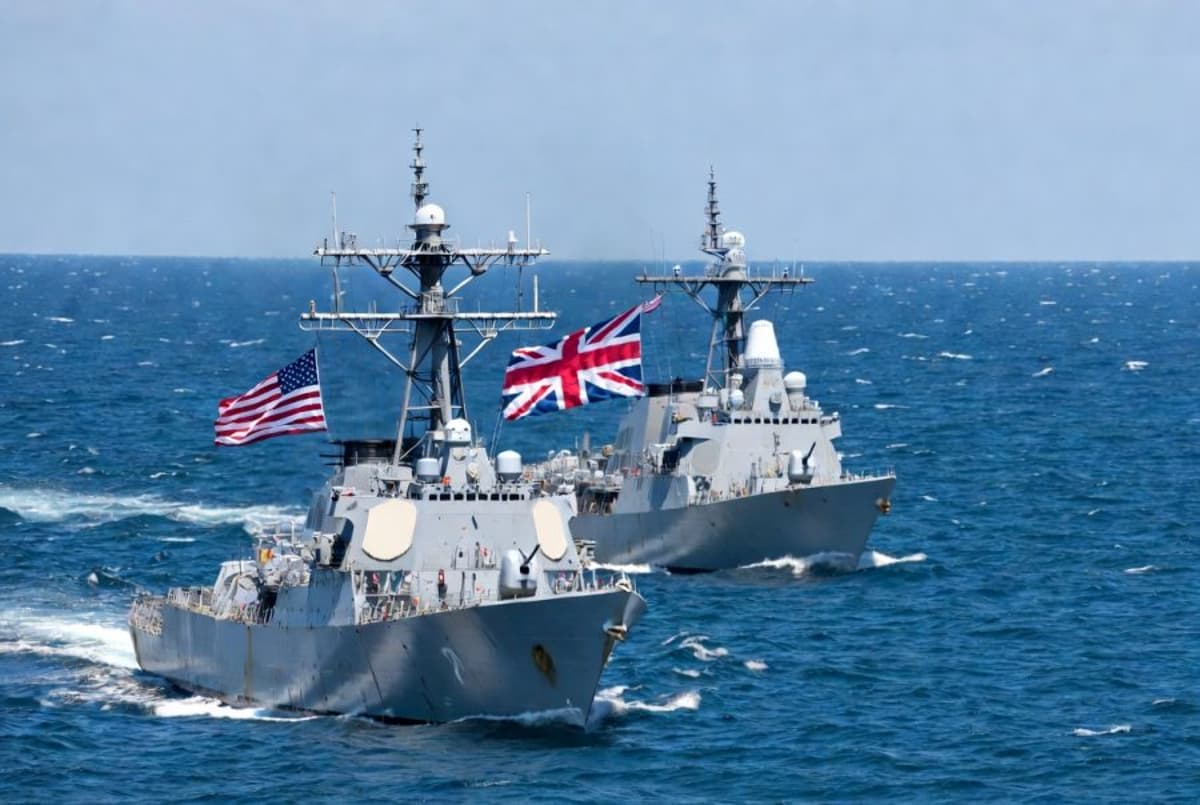
The 2026 U.S. naval blockade of Iran marks a rare direct use of maritime force to compel a sovereign state back to the negotiating table. By sealing off all Iranian Gulf ports, the Pentagon aims to choke oil exports that fund Tehran’s regional activities. Yet the operation diverges sharply from the 1952‑53 campaign that paired a British embargo with covert CIA actions, culminating in a coup that restored the Shah and opened Iranian oil to Western firms. Today, the United States must rely on its own fleet, as Britain has opted out, reducing the multilateral legitimacy that once amplified pressure.
Historical context underscores why the current strategy faces heightened risk. Operation Ajax succeeded because the United Kingdom supplied both naval muscle and diplomatic weight, while the Cold War backdrop rallied Western allies around a common anti‑communist goal. In contrast, Iran now enjoys robust economic and political ties with China and Russia, which have condemned the blockade and offered alternative trade routes. Moreover, the global oil market is far more diversified, with U.S. shale production and non‑OPEC supplies cushioning price shocks, diminishing the leverage a simple maritime chokehold once held.
For policymakers, the blockade’s effectiveness hinges on a calibrated blend of military presence and diplomatic outreach. Sustaining a prolonged naval presence without allied support strains U.S. resources and may provoke retaliatory actions in the Strait of Hormuz, a critical chokepoint for worldwide energy flows. Simultaneously, leveraging the pressure point to bring Iran to multilateral talks could avert escalation and restore some stability to oil markets. As history shows, coercive tactics alone rarely achieve lasting political change; a coordinated diplomatic push remains essential for a durable resolution.
U.S. Toppled Iran’s Regime With British Help in 1953 — Can Trump Repeat History Sans UK Military in 2026?
Comments
Want to join the conversation?
Loading comments...