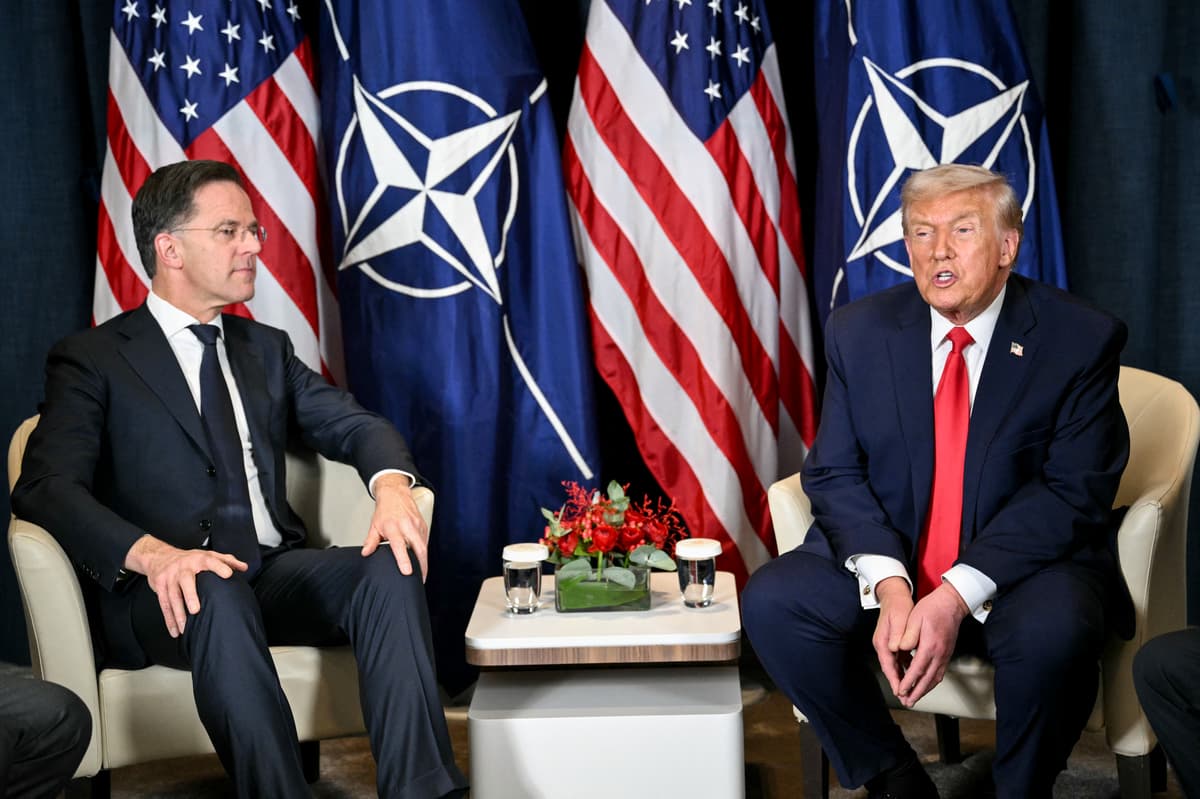
U.S. Troop Withdrawals From Europe Won't Hurt Defenses, Says NATO Chief
Why It Matters
The shift places a heavier burden on European allies, testing NATO’s collective‑defence model and signalling a strategic pivot toward Asia while preserving trans‑Atlantic security.
Key Takeaways
- •US reduces BCTs in Europe to three, matching 2021 levels
- •5,000 troops withdrawn from Germany; 4,000 deployment to Poland delayed
- •Rutte calls for Europe and Canada to shoulder more conventional defence
- •NATO assures alliance deterrence despite Trump’s criticism and threats
Pulse Analysis
The United States’ decision to scale back its forward‑deployed forces in Europe reflects a broader strategic pivot toward the Indo‑Pacific, where Beijing’s naval expansion is reshaping security calculations. By reducing Brigade Combat Teams to three, the Pentagon aligns its European footprint with pre‑pandemic levels, freeing resources for potential contingencies in Asia while maintaining a credible deterrent posture against Russia. This recalibration, however, raises questions about the readiness of NATO’s conventional forces and the alliance’s ability to respond swiftly to crises on the continent.
Politically, the troop reductions intersect with President Trump’s outspoken criticism of European defence spending and his occasional threats to withdraw from NATO. Rutte’s comments underscore a diplomatic balancing act: he acknowledges U.S. adjustments while urging European nations—and Canada—to step up their own capabilities. The call for a “stronger Europe in a stronger NATO” dovetails with the alliance’s 2024 pledge that members raise defence budgets to 5% of GDP by 2035, a target that remains out of reach for many. By framing U.S. pull‑backs as an opportunity for Europe to assume greater responsibility, Rutte seeks to defuse tension and preserve alliance cohesion.
The long‑term implications hinge on how quickly European forces can fill the emerging gaps. Capacity‑building initiatives, joint training exercises, and increased defence procurement will be essential to sustain deterrence, especially as Russia continues to modernise its arsenal. If Europe successfully augments its conventional capabilities, the alliance can maintain a robust forward presence without over‑reliance on U.S. troops. Conversely, delays or shortfalls could embolden adversaries and strain trans‑Atlantic relations, making the upcoming years critical for NATO’s strategic resilience.
U.S. Troop Withdrawals From Europe Won't Hurt Defenses, Says NATO Chief
Comments
Want to join the conversation?
Loading comments...