Why It Matters
The protracted engagement strains U.S. military readiness, drives up defense spending, and heightens geopolitical risk for global energy markets.
Key Takeaways
- •Over 400 U.S. troops wounded; 13 killed in Iran conflict.
- •Pentagon scrambling to replace depleted missiles and interceptors.
- •Families face daily anxiety amid unclear ceasefire status.
- •Strait of Hormuz closure threatens 20% of global oil flow.
- •Conflict’s “Level 10” alert drives long‑term operational fatigue.
Pulse Analysis
The United States finds itself in an unprecedented middle ground—neither full‑scale war nor peace—after President Trump’s 2026 order to attack Iran. Over 400 service members have been injured, many with traumatic brain injuries, and 13 have lost their lives. This sustained low‑intensity conflict forces commanders to maintain a "Level 10" alert status, a demanding posture that taxes both personnel and equipment. The human toll extends beyond the battlefield; families receive fragmented updates, creating a climate of chronic stress that erodes morale and complicates recruitment and retention efforts.
At the same time, the Pentagon confronts a logistical nightmare. Continuous engagements have depleted stocks of precision missiles, interceptors, and other critical munitions, prompting a multi‑year replenishment plan that could reshape defense procurement priorities. Industry suppliers are scrambling to scale production, while budget officials weigh the cost of accelerated manufacturing against other fiscal demands. The erosion of inventory not only threatens immediate operational capability but also signals a longer‑term shift in how the U.S. prepares for protracted, high‑intensity conflicts.
Geopolitically, the stalemate reverberates far beyond the Gulf. Iran’s control of the Strait of Hormuz—through which roughly 20% of the world’s oil transits—continues to choke a vital artery of global commerce, inflating energy prices and prompting diplomatic maneuvering. Negotiations to reopen the strait remain tentative, and any extension of the cease‑fire likely postpones resolution of deeper issues such as Tehran’s nuclear ambitions. Domestically, public opinion is wavering; a recent Reuters/Ipsos poll shows only one in four Americans deem the war worthwhile, adding political pressure on the administration to seek a diplomatic exit. The confluence of military fatigue, supply chain strain, and strategic uncertainty underscores the far‑reaching impact of this drawn‑out conflict.
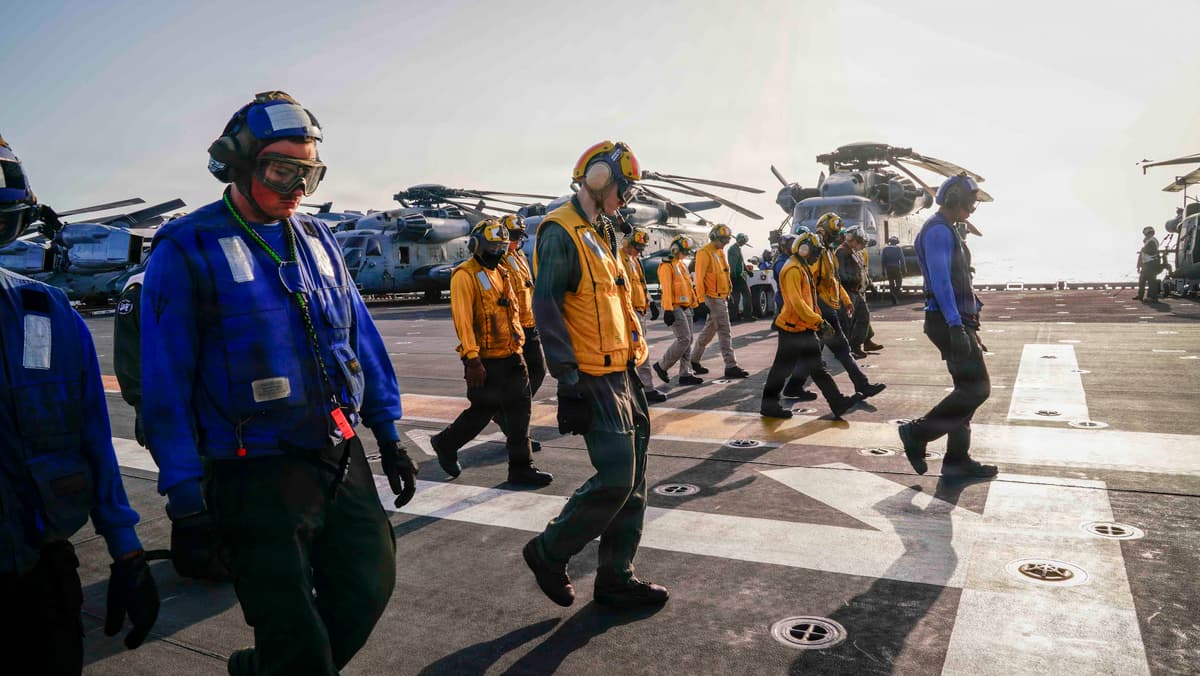
US troops, families adjust to new normal of Iran war
Comments
Want to join the conversation?
Loading comments...