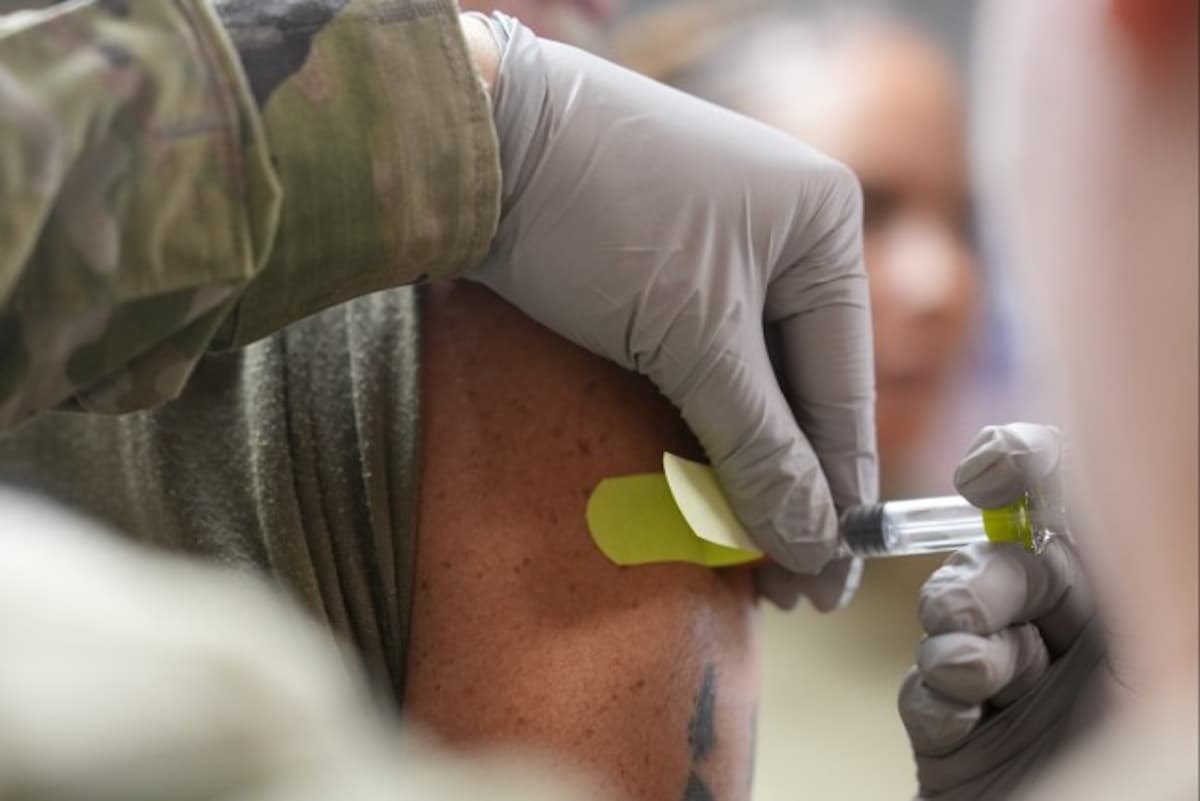
US vs China: Two Armies, Two Theories of the Body
Why It Matters
Voluntary flu shots may lower vaccination rates, creating a readiness gap that could give China a subtle operational advantage during peak respiratory seasons. The move also signals how each great power balances individual liberty with collective force effectiveness, a factor that will shape future bio‑security and force‑health doctrines.
Key Takeaways
- •US makes flu vaccine voluntary for all service members
- •PLA continues mandatory flu immunizations for troops
- •Voluntary policy may reduce herd immunity, hurting operational capability
- •Mandates link vaccine compliance to mission risk, not ideology
- •Readiness advantage could shift to China if US uptake falls
Pulse Analysis
Historically, disease has claimed more U.S. military lives than combat, with the 1918 influenza pandemic alone killing roughly 45,000 soldiers. The flu shot became a staple of force‑health protection after World War II, ensuring that dense barracks, ships, and forward operating bases remain operationally viable. By making the vaccine optional, the Pentagon is testing whether personal medical autonomy can coexist with the need for herd immunity in closed military environments, a question that will surface in recruitment centers, training camps, and overseas deployments.
China’s People’s Liberation Army takes a different route, embedding mandatory immunizations into its routine health checks. This approach aligns with the PLA’s emphasis on collective discipline and expeditionary readiness, especially as its navy expands long‑duration deployments. The mandatory policy guarantees high coverage, reducing the risk of flu‑related sick calls that could delay missions. Yet the rigidity may erode the legitimacy dividend that comes from informed consent, potentially limiting soldiers’ willingness to comply with future, more complex bio‑security measures.
The divergent policies highlight a strategic trade‑off: the U.S. prioritizes individual freedom at the possible cost of operational resilience, while China bets on uniform compliance to preserve mission continuity. A hybrid doctrine—mandating vaccines only where mission risk is high and encouraging voluntary uptake elsewhere—could blend the strengths of both models. As great‑power competition increasingly incorporates biological dimensions, the side that successfully integrates health security with troop morale will secure a non‑financial edge in future conflicts.
US vs China: two armies, two theories of the body
Comments
Want to join the conversation?
Loading comments...