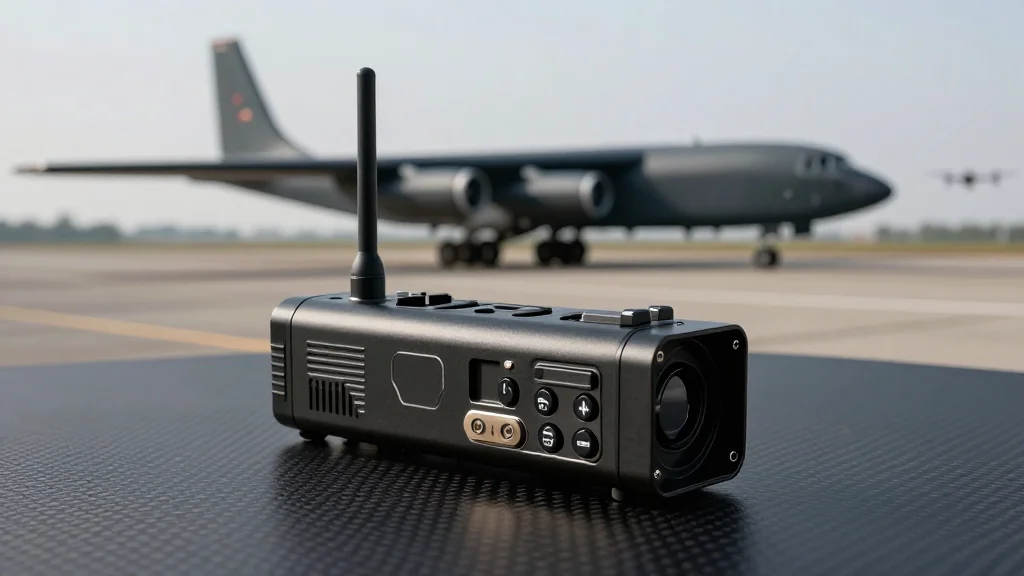
USAF Seeks 'Dronebuster' Anti-Jammer Gun To Protect Nuclear-Strike Base
Key Takeaways
- •USAF seeks DZYNE Dronebuster handheld jammer for Minot nuclear base
- •Handheld jammer disrupts drones via RF jamming, not kinetic force
- •Procurement hints at broader $3 trillion military spend reevaluation
- •Drone threats now include low‑cost FPV and fiber‑optic systems
- •Counter‑UAS market expected to surge as critical sites upgrade
Pulse Analysis
The rapid diffusion of inexpensive drones—from the Ukraine‑Russia frontlines to the US‑Iran theater—has forced a reassessment of how the United States defends its most sensitive installations. While traditional air‑defense systems excel against larger, fast‑moving aircraft, they struggle to detect and neutralize the small, low‑observable UAVs that can hover, loiter, and deliver payloads with pinpoint accuracy. This capability gap has become especially acute for facilities such as data centers, ports, and nuclear missile bases, where a single rogue drone could compromise critical operations or trigger catastrophic consequences.
In response, the Air Force’s 5th Contracting Squadron at Minot AFB released a June 18 solicitation for DZYNE’s Dronebuster Block 4, a rifle‑shaped jammer that emits targeted radio‑frequency interference to sever a drone’s command link. The system is designed for Category 1‑3 drones, including FPV models that rely on GPS or radio control, allowing security forces to quickly neutralize threats without the collateral damage of kinetic interceptors. However, emerging fiber‑optic FPV drones that lack RF links remain immune, underscoring the need for layered defenses that combine electronic and kinetic solutions. The solicitation’s tight two‑week response window highlights the Air Force’s urgency in fielding this capability.
The procurement marks a potential inflection point for the $3 trillion annual global military spend, as analysts forecast a wave of investments in affordable, scalable counter‑UAS technologies. Vendors offering electronic jamming, directed‑energy, and AI‑driven detection platforms stand to benefit, while the defense establishment may revise doctrine to embed electronic warfare at the front line of base security. For allied nations and commercial operators, the shift signals a market ripe for innovation, with implications that extend beyond the battlefield into critical infrastructure protection worldwide.
USAF Seeks 'Dronebuster' Anti-Jammer Gun To Protect Nuclear-Strike Base
Comments
Want to join the conversation?