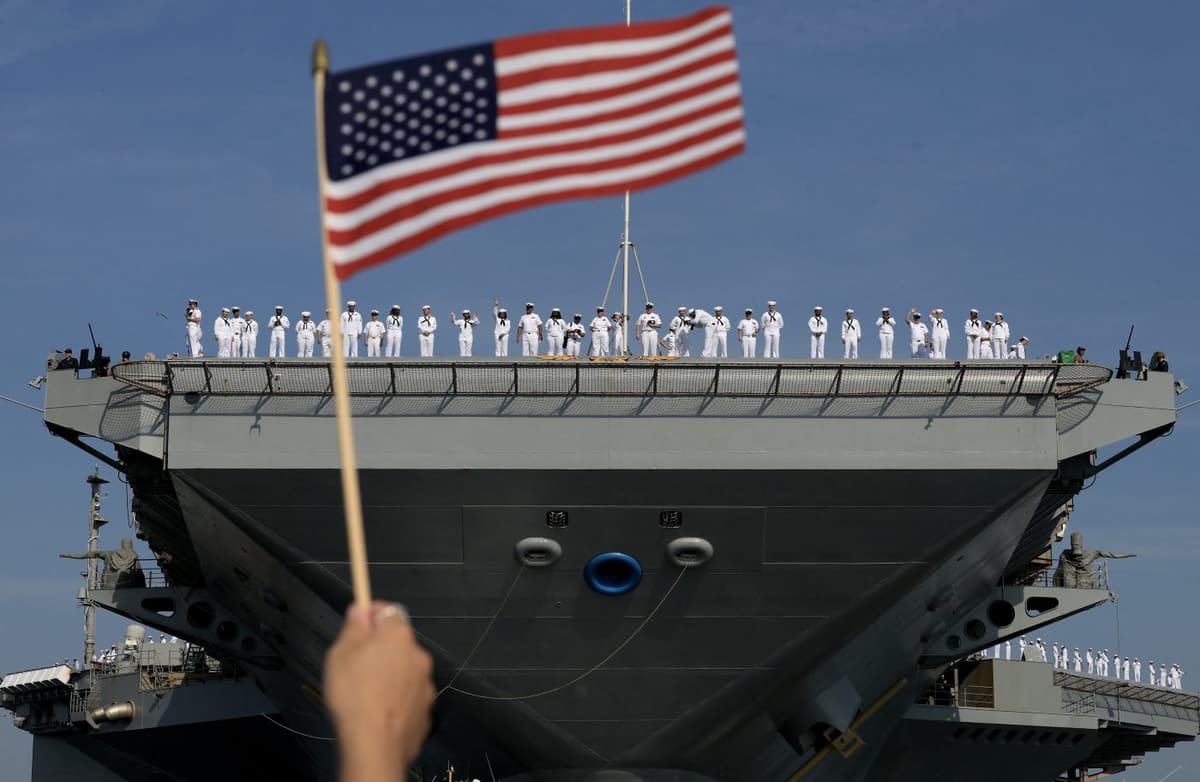
USS Gerald R. Ford Beats USS Lincoln’s Record with 297-Day Deployment Amid Fire, Fatigue & Clogged Toilets
Why It Matters
The unprecedented length stresses crew welfare and ship systems, exposing risks to operational effectiveness and future budgeting for carrier upkeep. It also signals a shift toward more flexible, multi‑theater carrier use, influencing naval strategy and procurement.
Key Takeaways
- •USS Gerald R. Ford reached 297 days sea, longest in 50 years
- •Deployment shifted from Europe to Caribbean and Middle East, supporting multiple ops
- •Crew endured clogged toilets, 45‑minute lines, and a 30‑hour fire
- •Extended tour delayed critical dry‑dock upgrades, inflating repair costs
- •Sustained fatigue raises mental‑health risks and could hurt reenlistment
Pulse Analysis
The record‑breaking 297‑day stint of USS Gerald R. Ford underscores how modern carrier doctrine is evolving from fixed regional rotations to a more fluid, global response model. By stretching a single strike group across the Atlantic, the Caribbean, and the Middle East, the Navy demonstrated the strategic reach of its newest platform, but also highlighted the logistical strain of sustaining high‑tempo operations far from home ports. Analysts note that such flexibility can deter adversaries, yet it demands robust supply chains and rapid maintenance cycles to keep the flight deck and catapult systems mission‑ready.
Behind the headlines of fire, clogged toilets, and marathon flight sorties lies a human story of fatigue and morale erosion. Sailors reported 45‑minute queues for restroom use and a 30‑hour blaze that injured crew members, symptoms of a ship pushed beyond its designed deployment envelope. Prolonged watch rotations, limited shore leave, and cramped living conditions amplify stress, raising concerns about decision‑making, flight safety, and the long‑term mental health of personnel. Defense experts warn that such wear on both people and machinery can erode combat effectiveness faster than scheduled maintenance cycles anticipate.
The operational gains come at a price: delayed dry‑dock periods, accelerated wear on propulsion, catapult, and deck‑nonskid systems, and inflated repair budgets. Budget officers project that extending a carrier’s deployment by even a few months can add tens of millions of dollars in unplanned maintenance, a figure that compounds across the fleet. Moreover, sustained deployments risk lowering reenlistment rates, forcing the Navy to invest more in recruitment and retention incentives. As policymakers weigh the benefits of rapid, multi‑theater carrier deployment against these hidden costs, the USS Gerald R. Ford saga will likely shape future guidelines on deployment length, crew welfare standards, and lifecycle budgeting for America’s most expensive warships.
USS Gerald R. Ford Beats USS Lincoln’s Record with 297-Day Deployment Amid Fire, Fatigue & Clogged Toilets
Comments
Want to join the conversation?
Loading comments...