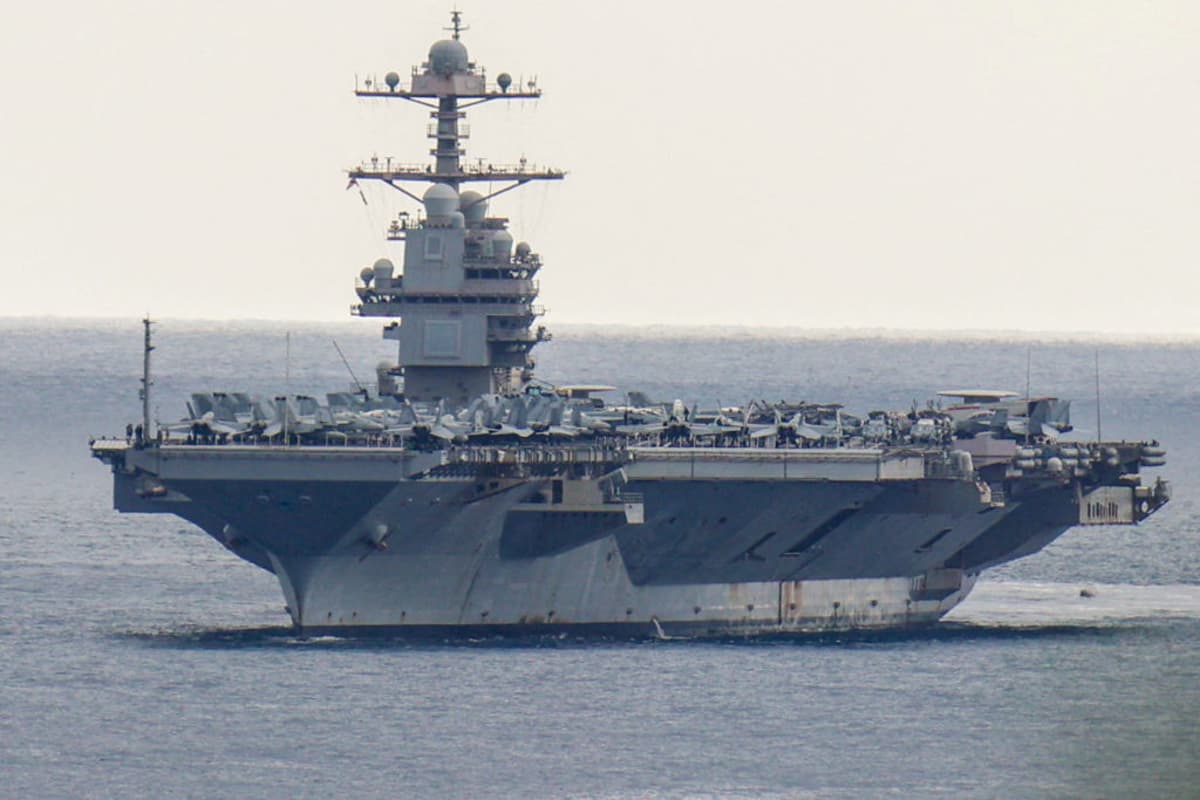
USS Gerald R. Ford Returns Home After Long Mission Supporting Iran War and Maduro Capture
Why It Matters
The deployment showcases the U.S. Navy’s ability to sustain high‑tempo power projection while highlighting growing concerns over crew fatigue and equipment strain during extended sea periods.
Key Takeaways
- •Ford completed 326‑day deployment, longest since Vietnam War
- •Carrier supported U.S. operations against Iran and Maduro capture
- •Fire forced repairs in Crete, displaced crew members
- •5,000 sailors welcomed ships at Norfolk after 11‑month mission
- •Deployment raises concerns over crew fatigue and ship wear
Pulse Analysis
The USS Gerald R. Ford’s recent homecoming marks a milestone in U.S. naval endurance, as the 326‑day deployment eclipses all carrier tours in the past half‑century. By operating from the Mediterranean to the Caribbean and the Red Sea, the carrier projected American air power across three strategic theaters, reinforcing deterrence against Iran’s escalating aggression and enabling the rapid seizure of Venezuela’s leader. This level of sustained presence underscores the Navy’s commitment to forward‑deployed readiness, yet it also tests the logistical and maintenance frameworks that keep a nuclear‑powered carrier fleet afloat.
Beyond the geopolitical headlines, the mission exposed the human cost of prolonged deployments. Sailors endured nearly a year at sea, with limited shore leave, and a sudden onboard fire in Crete compounded stress by displacing hundreds and disrupting routine living quarters. Such incidents amplify discussions about crew morale, mental health, and the long‑term effects of extended separations on service members. The Navy’s response—rapid repairs, medical support, and a high‑profile welcome at Norfolk—signals an awareness of these challenges, but it also prompts policymakers to consider rotation cycles and support services that mitigate fatigue.
Strategically, the Ford’s operations illustrate the evolving role of aircraft carriers in a multipolar world. While traditional carrier strike groups remain central to power projection, the increasing tempo—driven by regional crises in the Middle East and Latin America—pressures both hardware and personnel. Future fleet planning may prioritize modular maintenance, enhanced crew welfare programs, and perhaps a broader distribution of carrier tasks among newer vessels to avoid overreliance on a single platform. The Ford’s return thus serves as both a testament to U.S. naval capability and a cautionary signal for balancing operational ambition with sustainable force management.
USS Gerald R. Ford returns home after long mission supporting Iran war and Maduro capture
Comments
Want to join the conversation?
Loading comments...