USSF Gives SpaceX $2.29 Billion for ‘Backbone’ of New Data Network
Companies Mentioned
Why It Matters
A functional SDN will give the military near‑real‑time, secure data links across all services, enhancing joint lethality and reducing reliance on vulnerable ground infrastructure.
Key Takeaways
- •SpaceX wins $2.29 B contract for Space Force SDN backbone
- •Prototype to be operational by end of 2027, timeline tight
- •SDN will use 13 satellites in 2026, 21 in 2027
- •Program emphasizes competition to expand U.S. industrial base
- •Starshield satellites derived from Starlink provide low‑latency connectivity
Pulse Analysis
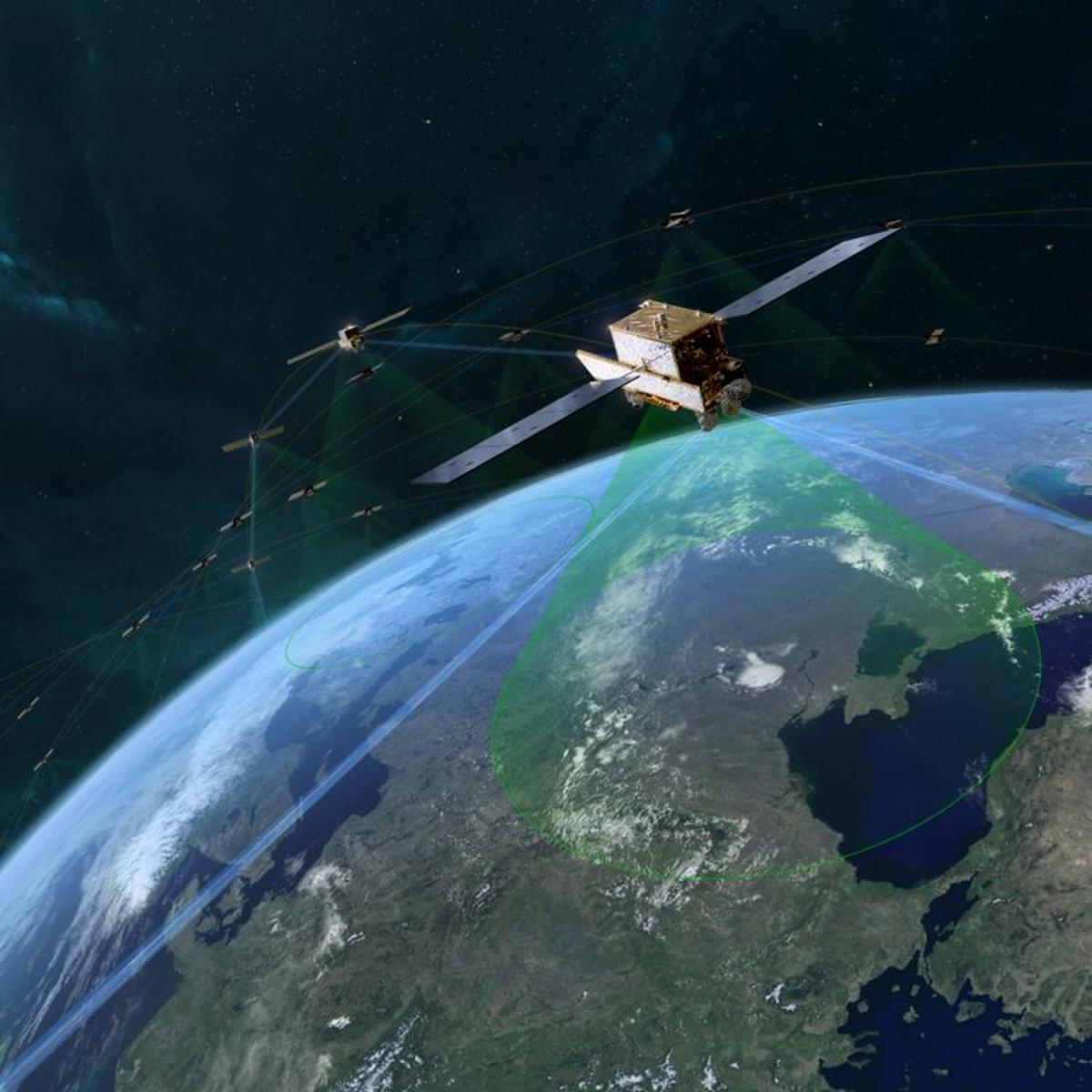
The U.S. Space Force is building a Space Data Network (SDN) to move sensor data to shooters anywhere on the globe. Unlike traditional satellite links that serve a single branch, SDN blends military and commercial constellations to deliver tactical and enterprise‑level bandwidth with low latency. The concept, originally called MILNET, emerged in the 2024 budget as a way to modernize the joint force’s data transport layer, reducing reliance on vulnerable ground‑based relays. By placing the backbone in low‑Earth orbit, the service aims to create a resilient, high‑capacity conduit for everything from ISR streams to command‑and‑control messages.
In a competitive award, Space Systems Command granted SpaceX a $2.29 billion contract to build the SDN backbone, leveraging its Starshield payload—a militarized version of the commercial Starlink architecture. The agreement obligates SpaceX to deliver a fully operational prototype by the close of 2027, with an initial batch of 13 satellites slated for launch in 2026 followed by 21 more in 2027. While the contract focuses on the prototype, the service has not clarified whether new builds or existing on‑orbit assets will be used, leaving flexibility for rapid scaling.
The deal signals a strategic push to diversify the U.S. space industrial base while maintaining speed of acquisition. By insisting on competition and using Other Transaction Authorities, the Space Force hopes to attract additional vendors for later phases, mitigating single‑source risk. For the defense sector, a functional SDN promises near‑real‑time data sharing across all services, enhancing joint lethality and decision‑making in contested environments. Moreover, the integration of commercial‑grade technology could lower long‑term costs and accelerate innovation, setting a precedent for future military‑civilian space collaborations.
USSF Gives SpaceX $2.29 Billion for ‘Backbone’ of New Data Network
Comments
Want to join the conversation?
Loading comments...