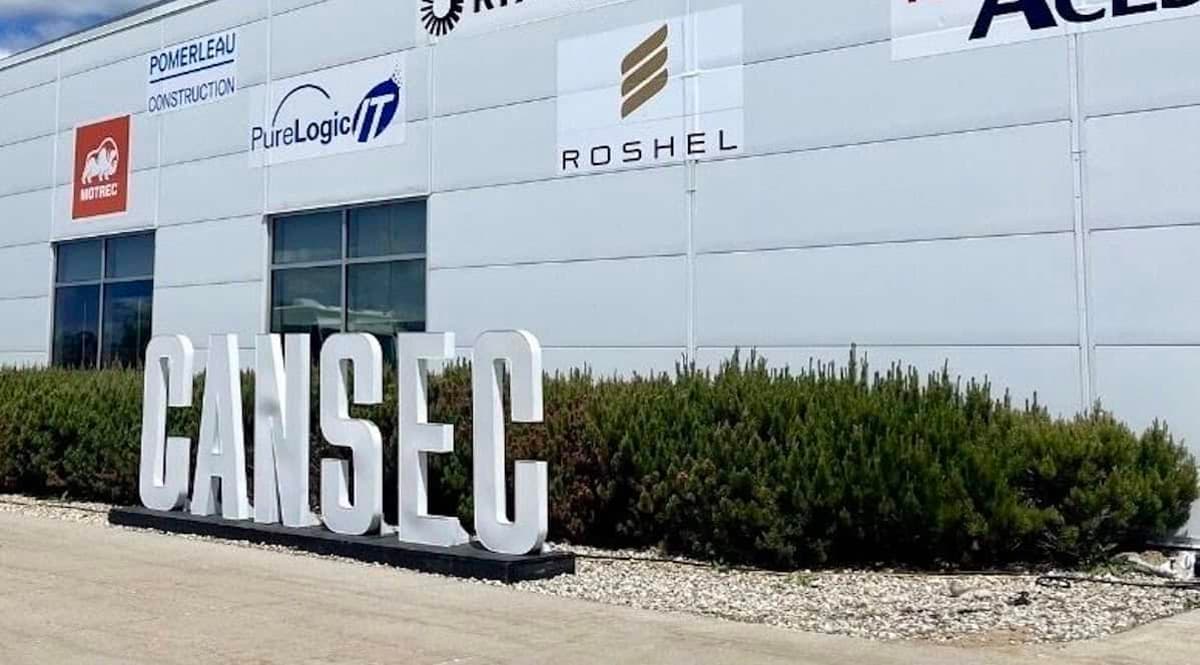
V-Cortex AI Autonomy Platform Debuts at CANSEC 2026
Companies Mentioned
Why It Matters
V‑Cortex gives Canada a domestically controlled, rapidly upgradable autonomy stack, reducing reliance on foreign suppliers and enhancing operational flexibility for modern defence missions.
Key Takeaways
- •V-Cortex weighs under 15 g and measures 3.5 cm square.
- •Modular Open Systems Architecture enables rapid sensor and payload integration.
- •Supports GNSS‑denied navigation, edge computing, and counter‑UAS missions.
- •Integrated across Volatus V‑Series and Condor platforms from production start.
- •NRC IRAP funding accelerates development of sovereign Canadian autonomy ecosystem.
Pulse Analysis
The emergence of compact, AI‑driven flight controllers marks a turning point for the unmanned systems market, where size, weight, and processing power have traditionally constrained capability. By embedding edge‑computing and autonomous decision‑making within a 15‑gram package, Volatus challenges the status quo and opens the door for smaller platforms to execute complex missions without tethered ground stations. This shift aligns with broader industry trends toward swarming, distributed operations and reflects growing demand from NATO allies for interoperable, low‑latency autonomy solutions.
Technically, V‑Cortex’s Modular Open Systems Architecture (MOSA) is its most compelling attribute. The framework permits plug‑and‑play integration of sensors, payloads, and third‑party software, dramatically shortening development cycles and reducing lifecycle costs. Its ability to navigate GNSS‑denied environments—through inertial, visual‑odometry, and AI‑based mapping—addresses a critical vulnerability in contested theatres. Moreover, built‑in counter‑UAS capabilities and seeker integration position the platform as both a force multiplier and a defensive asset, supporting crewed‑uncrewed teaming and coordinated multi‑domain missions.
Strategically, the platform reinforces Canada’s push for a sovereign defence technology base. Backed by NRC IRAP, V‑Cortex reduces dependence on foreign avionics and ensures that critical software remains under domestic intellectual‑property control. For allied forces, the system offers a common, interoperable autonomy layer that can be fielded across diverse platforms, from micro‑drones to larger maritime assets. As geopolitical tensions drive rapid innovation cycles, Volatus’s approach—combining in‑house hardware, AI software, and open architecture—could set a new benchmark for agile, secure defence procurement worldwide.
V-Cortex AI Autonomy Platform Debuts at CANSEC 2026
Comments
Want to join the conversation?
Loading comments...