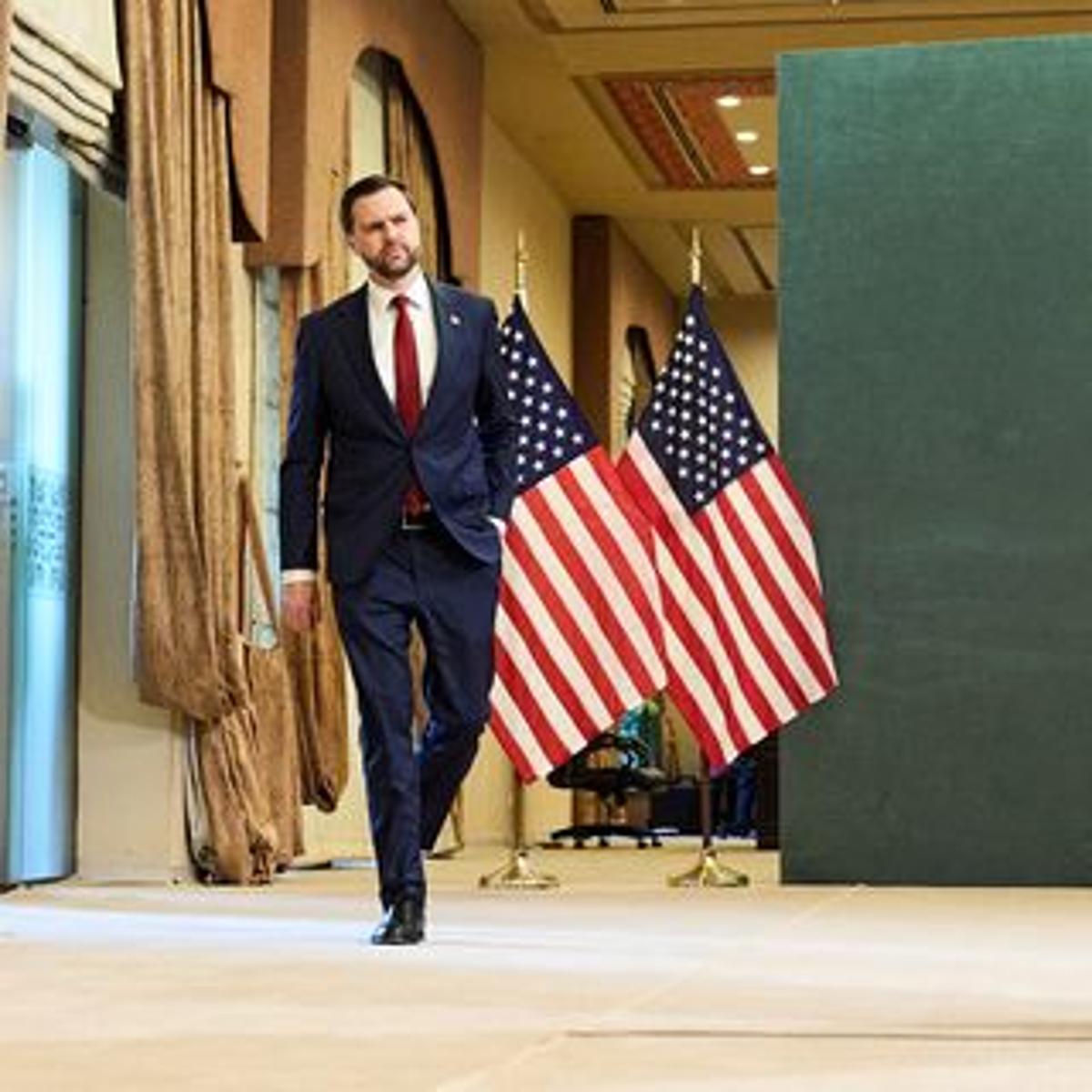
Vance Meets Qatari Mediator as U.S. Awaits Peace Plan Response
Why It Matters
Qatar’s re‑engagement provides the United States with a trusted back‑channel that could accelerate a cease‑fire and shape the next phase of U.S.–Iran nuclear negotiations, influencing regional stability.
Key Takeaways
- •Qatar prime minister met US Vice President Vance in Washington
- •Qatar acts as a back‑channel alongside Pakistan in US‑Iran talks
- •Iran expected to reply to one‑page MOU today, per Secretary Rubio
- •Qatar’s mediation revived after previous attacks, influencing regional peace prospects
Pulse Analysis
The conflict between the United States and Iran has pushed Washington to lean on unconventional diplomatic pathways. While Pakistan remains the official mediator, Qatar’s historical involvement—dating back to pre‑war talks in 2025—has positioned it as a pivotal back‑channel. Doha’s ability to engage senior Islamic Revolutionary Guard Corps figures, combined with its willingness to re‑enter negotiations after being targeted by Iranian missiles, gives it unique leverage that traditional channels lack.
During the Friday meeting, Vice President Vance and Prime Minister al‑Thani focused on the draft one‑page memorandum of understanding that Tehran is slated to answer today. The MOU outlines a cease‑fire framework and sets the stage for more detailed nuclear discussions. U.S. Secretary of State Antony Rubio emphasized the need for a “serious offer” that can transition the dialogue from a provisional cease‑fire to substantive negotiations. Qatar’s coordination with Pakistani mediators ensures a synchronized approach, reducing the risk of mixed signals and enhancing the credibility of any forthcoming agreement.
If Iran’s response meets U.S. expectations, the combined diplomatic pressure from Washington, Doha, and Islamabad could accelerate a de‑escalation trajectory, potentially unlocking a new phase of nuclear talks. Conversely, a lukewarm or non‑committal reply could prolong the stalemate, compelling the United States to consider additional pressure mechanisms. Qatar’s renewed mediation role therefore not only shapes the immediate cease‑fire prospects but also influences the broader strategic calculus of U.S. policy in the Middle East.
Vance meets Qatari mediator as U.S. awaits peace plan response
Comments
Want to join the conversation?
Loading comments...