Vertical Thinking: Designing a Strategy to Navigate the New Normal
Companies Mentioned
Why It Matters
The shift toward multi‑domain, drone‑integrated helicopters reshapes defence procurement, boosts demand for flexible platforms, and strengthens Europe’s strategic autonomy in the defense industrial base.
Key Takeaways
- •Airbus promotes dual‑use helicopters for disaster relief and combat missions
- •H145M and H225M can switch between attack, firefighting, transport
- •New HTeaming system enables drone‑swarm command from helicopters
- •ENGRT project drives European‑made modular rotorcraft technology
- •Hybrid warfare growth fuels demand for multi‑mission rotorcraft
Pulse Analysis
The acceleration of climate‑related catastrophes and the rise of hybrid warfare have forced militaries to rethink mobility assets. Traditional single‑role aircraft no longer meet the speed and adaptability required on modern battlefields or in humanitarian crises. Airbus Helicopters leverages its dual‑use philosophy, offering platforms that can transition from combat to rescue missions with minimal reconfiguration, thereby reducing logistics footprints and operational costs for NATO and partner nations.
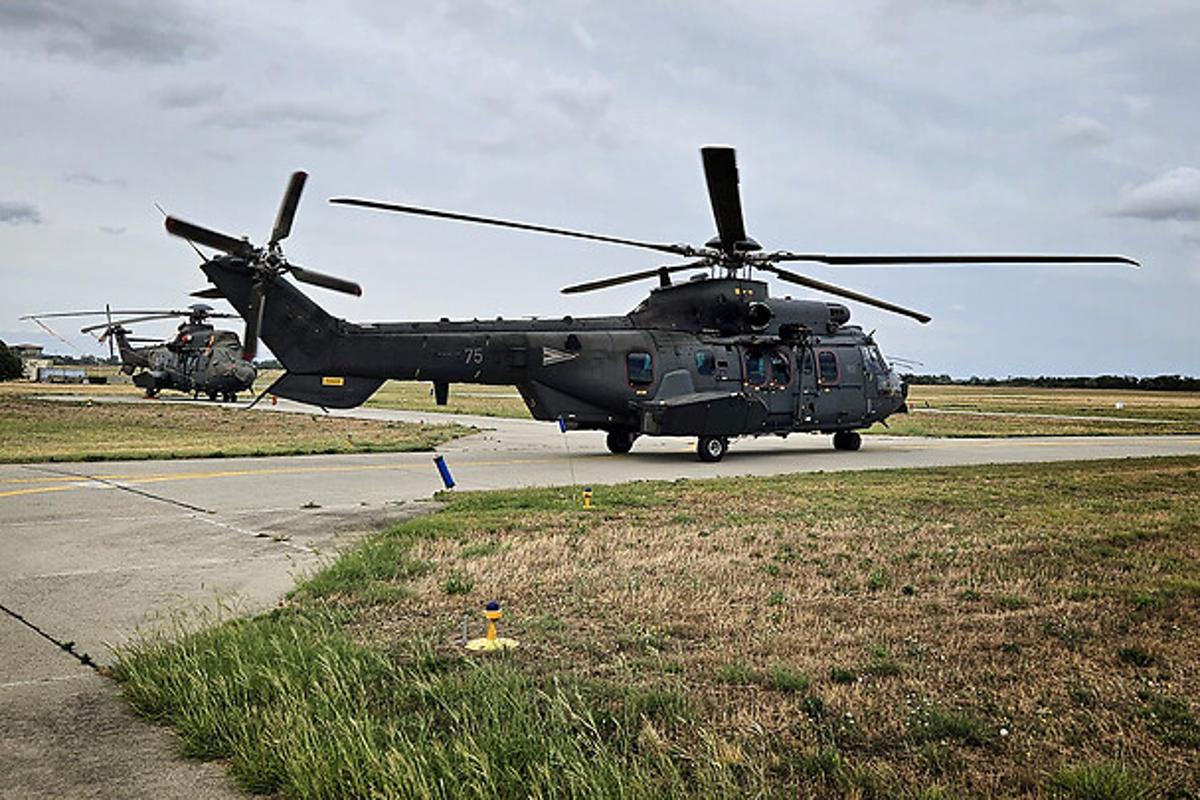
A cornerstone of Airbus’s roadmap is the seamless integration of unmanned aerial systems. The HTeaming architecture links helicopters with tactical drones such as the Flexrotor, Capa‑X and VSR700, enabling stand‑off intelligence, target acquisition and even long‑range strike capabilities from a single airframe. Recent demonstrations, like Hungary’s rapid deployment of H145M/H225M assets to Albania, showcase how modular payloads and drone swarms can enhance survivability and lethality while preserving the helicopter’s core transport function.
Beyond technology, Airbus is positioning the strategy as a vehicle for European strategic autonomy. Through the EU‑backed ENGRT programme, the firm is developing open‑system architectures and advanced connectivity that keep critical rotorcraft capabilities on‑shore. This approach not only reduces reliance on non‑European suppliers but also creates a competitive export proposition for NATO allies seeking sovereign solutions. As hybrid conflict scenarios proliferate, demand for such versatile, Europe‑designed rotorcraft is expected to outpace traditional platforms, reshaping the global defence market.
Vertical thinking: designing a strategy to navigate the new normal
Comments
Want to join the conversation?
Loading comments...