By translating combat‑tested skills into classroom instruction, these veteran educators directly address the regional skilled‑labor shortage, strengthening Ohio’s competitive edge in the tech and manufacturing economy.
The transition of service members into civilian teaching roles is reshaping career‑and‑technical education (CTE) across the United States. At Tolles Career & Technical Center, veterans Brian Parks and Bill Pencil leverage battlefield precision and mechanical know‑how to deliver immersive automotive and welding curricula. Their presence exemplifies a growing trend where military veterans fill instructional gaps, bringing credibility, leadership, and a results‑driven mindset that traditional educators may lack. This infusion of real‑world experience not only elevates student engagement but also aligns classroom outcomes with industry standards, fostering a more seamless talent pipeline.
Central Ohio’s tech boom has accelerated demand for skilled labor in sectors ranging from advanced manufacturing to infrastructure development. By embedding veteran‑led, hands‑on training within the high‑school environment, Tolles is directly feeding this pipeline with graduates who possess both technical proficiency and soft skills such as discipline and teamwork. Employers in Columbus report difficulty finding candidates who can immediately contribute to complex projects; the veteran instructors’ emphasis on work ethic and leadership helps bridge that gap, reducing onboarding time and boosting productivity for local firms.
Beyond the immediate workforce impact, the success of veteran educators signals broader policy implications. State and federal initiatives that incentivize veterans to pursue teaching certifications could amplify this model nationwide, addressing chronic CTE staffing shortages while honoring military service. As more districts adopt similar approaches, the synergy between defense‑derived expertise and civilian industry needs may become a cornerstone of America’s strategy to maintain global competitiveness in technology and manufacturing.
By Kevin Damask · Published February 07, 2026 at 3:00 am ET

As the tech industry continues to blossom in Central Ohio, the demand for skilled workers is expected to rise in the coming years.
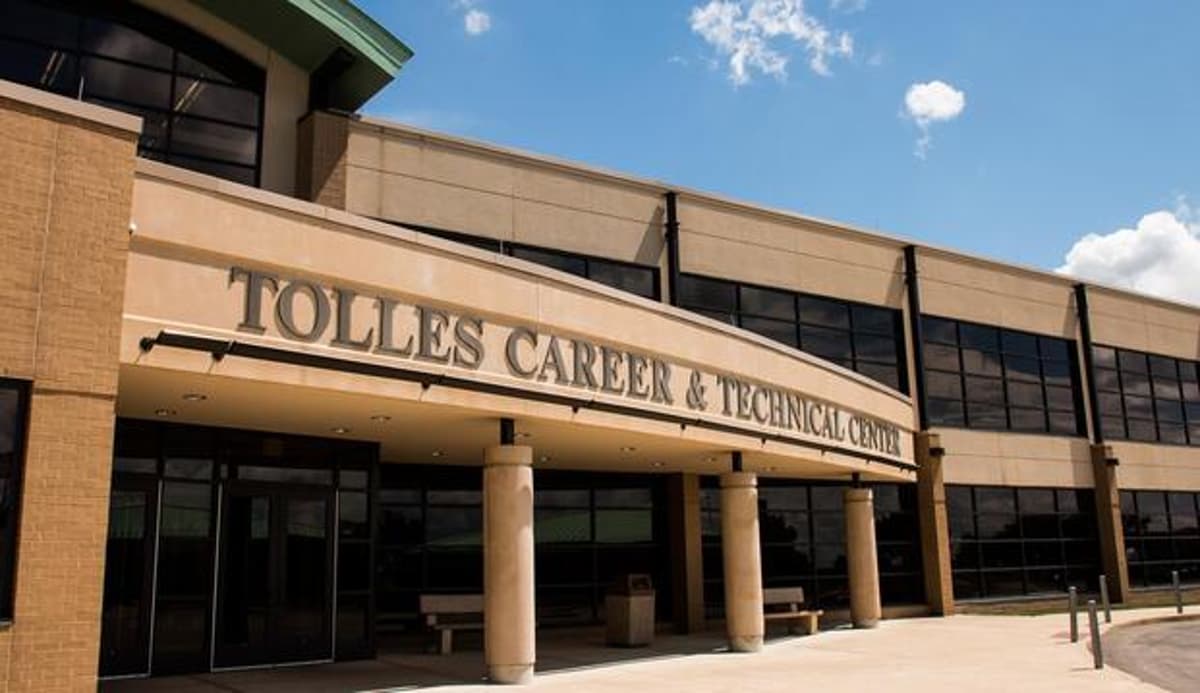
Military veterans Brian Parks and Bill Pencil are preparing the next generation to meet that moment. Parks and Pencil use the lessons they learned in the military—teamwork, discipline, leadership and technical skills—to instruct high‑school students at Tolles Career and Technical Center in Plain City, Ohio.
Trades schools and technical colleges are looking for veterans with real‑world knowledge to fill instructional needs, and Parks and Pencil fit the bill. It’s certainly not a traditional classroom, but the two veterans wouldn’t have it any other way. They teach automotive tech and welding and enjoy bonding with their students.
Both veterans see it as a natural fit. Parks was a mechanic in the Army, while Pencil got hooked on welding in the Navy.
“I’ve been welding ever since,” Pencil told WBNS in Columbus.

Both veterans said they didn’t plan to pursue teaching after the military, but eventually discovered it was their true calling.
“Nothing makes a bigger impact in life than teaching,” Parks said.
With technically skilled employees needed to fill high‑earning infrastructure jobs in the Columbus area, Parks and Pencil see the value of using both mind and hands. They’re also passing on essential values they learned in the military.
“It goes beyond just welding,” Pencil said.
“Fixing cars is probably third on the list,” Parks said. “Work ethic and attitude are probably my top two.”
Pencil points to structure and teamwork as essential functions in leading a productive classroom. While academics are important, the veterans also believe there are lessons not found in the pages of a textbook.
Each day, as students arrive at class, Parks greets everyone with a handshake—a simple act that’s become a lost art.
“It’s a big skill,” Parks said, “that people don’t have anymore.”

Dr. Todd Hoadley, superintendent of Tolles Career & Technical Center, said the veteran instructors offer a “big picture mindset” to their teaching. He added that they’re also serving their country in a different capacity.
“Now they’re training the next generation,” Hoadley said. “That’s a really big component for them.”
Similar to the military, instructing teenagers has brought its own unique set of challenges.
“It’s been the best job I’ve ever had, but the most stressful, and the hardest job I’ve ever had … but the most rewarding,” Parks said.
Watching two female students weld, Pencil smiles, thinking about the knowledge he’s able to pass on.
“I get to help them develop and grow,” he said.
The Navy veteran said the skills he’s teaching his students should help fuel a robust, thriving workforce for decades.
“We have to keep the workforce strong,” Pencil said.
By teaching them leadership, the veterans hope their students will grow into leaders in industry, passing along those values to future generations.
“I want … this country strong,” Pencil said. “That’s what it’s about.”
Kevin Damask is a content writer for Military.com who covers human‑interest stories about veterans. He interviews veterans and writes Q&A and profile pieces reflecting on their military experiences and life after service.
Comments
Want to join the conversation?
Loading comments...