Why It Matters
The budget aims to bolster Taiwan’s security architecture, directly influencing investor confidence and the island’s role in global technology supply chains. It also signals a strategic shift toward self‑reliance amid escalating cross‑strait pressures.
Key Takeaways
- •Taiwan proposes NT$1.25 trillion (≈US$39.5 bn) defense budget over eight years.
- •Cost equals about NT$6,000 (≈US$170) per citizen, sparking public debate.
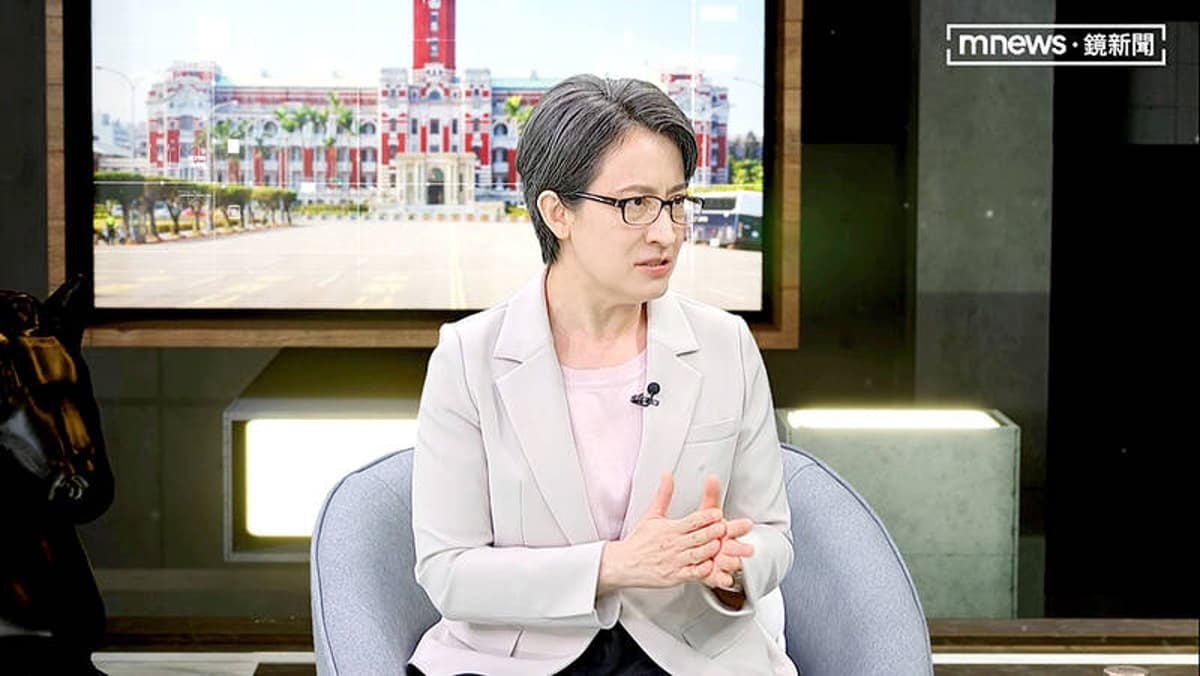
- •Vice President Hsiao stresses layered deterrence against China's expanding military.
- •Defense spending linked to Taiwan's economic stability and foreign investment appeal.
- •Emphasis on “peace through strength” amid great‑power rivalry.
Pulse Analysis
Taiwan’s new defense initiative reflects a broader shift in East Asian security dynamics. As China’s defense budget surges past US$250 billion, neighboring powers such as Japan and South Korea have already accelerated their own spending to maintain a credible deterrent. Taiwan’s NT$1.25 trillion plan, while modest in per‑capita terms, seeks to close a capability gap by modernizing air, sea, and missile defenses and fostering a domestic defense industry that can feed into its renowned precision‑manufacturing sector. The move underscores the island’s intent to move from a reactive posture to a proactive, layered deterrence strategy.
Beyond the geopolitical calculus, the budget carries significant economic implications. By allocating roughly US$170 per person, the government hopes to reassure multinational firms that Taiwan remains a stable hub for semiconductor and electronics production. Investors often weigh security risk premiums when allocating capital, and a demonstrable commitment to self‑defense can lower those premiums, preserving Taiwan’s integration into global supply chains. Public sentiment is split; some view the expense as a necessary insurance policy, while others question the fiscal trade‑offs amid domestic priorities.
Politically, the proposal dovetails with Washington’s “peace through strength” narrative, reinforcing the United States’ informal security guarantees without formal treaty obligations. As U.S.‑China rivalry intensifies, Taiwan’s ability to fund and procure advanced platforms independently reduces the risk of being a pawn in great‑power negotiations. The budget therefore serves a dual purpose: deterring aggression and signaling to allies and investors that Taiwan can sustain its defense posture, even as diplomatic pressures mount. This strategic investment could shape the island’s security and economic trajectory for the next decade.
Vice president defends bill costs
Comments
Want to join the conversation?
Loading comments...