Vulcan Rocket Setbacks Threaten Pentagon's Heavy‑Lift Launch Plans

Companies Mentioned

Why It Matters
The Vulcan setbacks highlight a critical inflection point for U.S. defense launch capabilities. As the Pentagon seeks to modernize its satellite constellations, reliable heavy‑lift access becomes a strategic imperative. A loss of confidence in ULA could accelerate the transition to reusable launch systems, reshaping the defense industrial base and influencing budget allocations across the Department of Defense. Additionally, the competition among ULA, SpaceX, and Blue Origin will set new standards for risk management, cost control, and launch frequency, directly affecting the United States’ ability to maintain space superiority. Beyond procurement, the issue underscores the importance of supply‑chain resilience. The booster nozzle failures trace back to Northrop Grumman, a key defense contractor, raising questions about quality assurance across the broader defense ecosystem. Addressing these technical challenges promptly will be essential to preserving confidence in U.S. launch providers and ensuring uninterrupted access to critical orbital assets.
Key Takeaways
- •Vulcan experienced two solid‑booster nozzle failures (Oct 2024, Feb 2026) within two years.
- •Lt. Gen. Philip Garrant said the issues will shape the Pentagon’s next launch procurement.
- •Only four Vulcan flights have occurred since its Jan 2024 debut, with a 50% share of future Space Force launches at stake.
- •SpaceX secured the majority of the 2025‑2029 NSSL contract, while Blue Origin seeks New Glenn certification.
- •ULA may not fly another Vulcan mission before the end of 2026, risking loss of heavy‑lift contracts.
Pulse Analysis
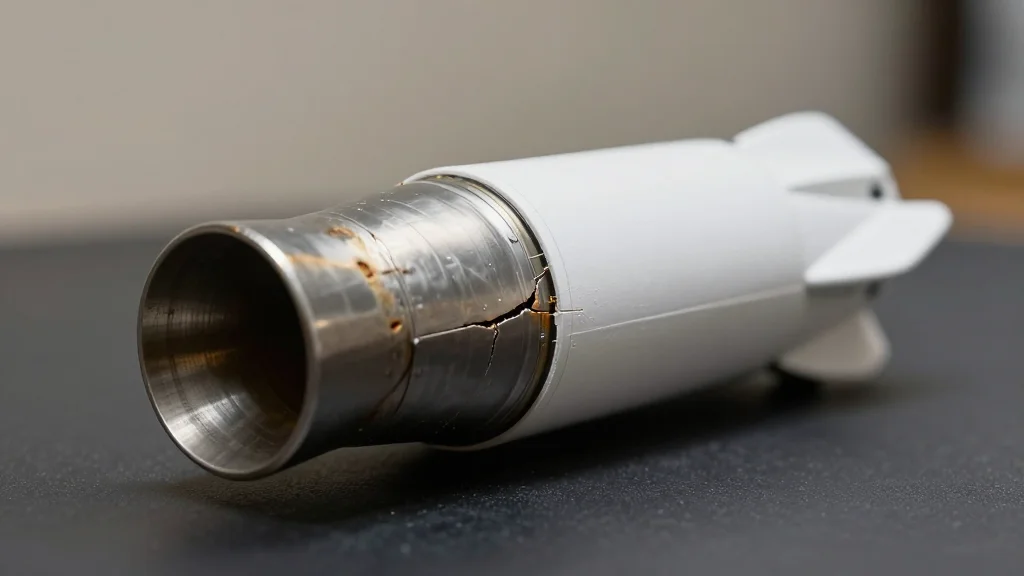
The Vulcan reliability concerns arrive at a moment when the defense sector is increasingly prioritizing launch agility and cost efficiency. Historically, ULA’s Atlas V and Delta IV rockets built a reputation for near‑perfect performance, but the shift to an expendable, solid‑booster architecture with Vulcan has introduced new failure modes. The repeated nozzle blow‑off suggests a design or manufacturing flaw that could be symptomatic of broader integration challenges between ULA and Northrop Grumman. If unaddressed, this could erode the trust that the Space Force places in ULA’s risk‑acceptance framework.
From a market perspective, the Pentagon’s upcoming heavy‑lift competition will likely reward providers that can demonstrate both low per‑launch cost and high launch cadence. SpaceX’s reusable Falcon Heavy, already proven in multiple national security missions, offers a compelling value proposition. Blue Origin’s New Glenn, while still in certification, promises a partially reusable heavy‑lift capability that could further diversify the launch pool. ULA’s path forward hinges on either accelerating a redesign of the solid‑booster nozzle or pivoting to a different propulsion architecture, perhaps leveraging its existing Atlas V heritage.
Strategically, the outcome will influence the U.S. defense industrial base. A reduced role for ULA could shift investment toward reusable technologies, prompting Boeing and Lockheed Martin to re‑evaluate their launch‑related portfolios. Conversely, a successful remediation of Vulcan’s issues could restore confidence in traditional expendable launch systems, preserving a dual‑track approach that balances reliability with innovation. The next procurement cycle will therefore not only decide which rockets lift the next generation of military satellites but also set the trajectory for America’s broader space‑defense ecosystem.
Vulcan Rocket Setbacks Threaten Pentagon's Heavy‑Lift Launch Plans
Comments
Want to join the conversation?
Loading comments...