Why It Matters
The confrontation threatens vital global oil shipments and could trigger broader market volatility, while escalating U.S.–Iran naval friction raises the risk of a wider Middle‑East conflict.
Key Takeaways
- •U.S. forces neutralized six Iranian boats and multiple missiles
- •Oil Brent jumped >5% as conflict risk spiked
- •UAE energy hub hit; three Indian workers injured
- •Hezbollah and Israel clashed despite recent ceasefire
Pulse Analysis
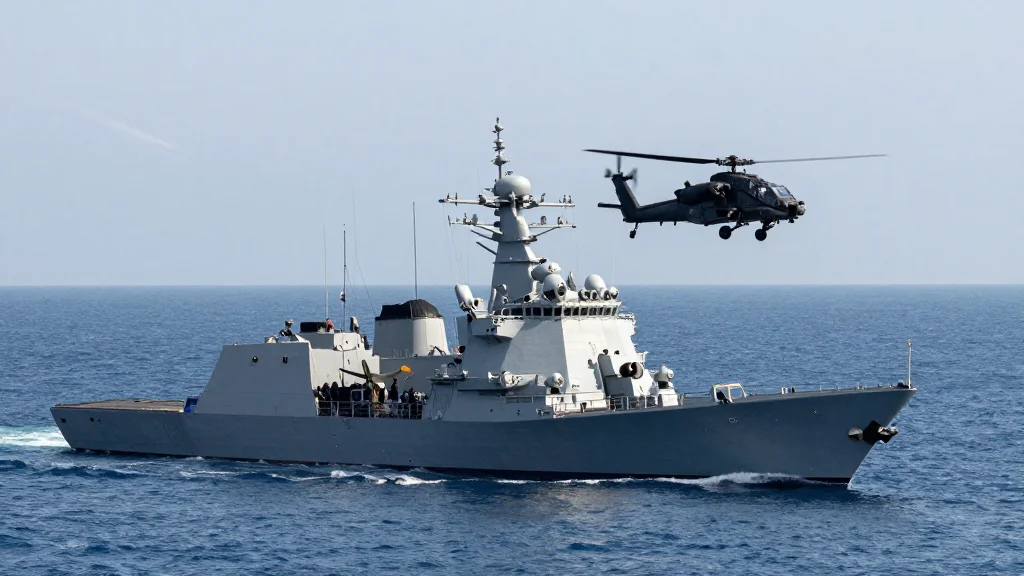
The latest naval skirmish in the Strait of Hormuz underscores how quickly maritime disputes can spiral into broader geopolitical crises. U.S. Apache and Seahawk helicopters engaged six Iranian craft and shot down a barrage of missiles and drones, a move that Tehran publicly rejected. For commercial shippers, the incident revives concerns about the chokepoint’s vulnerability, prompting insurers to reassess premiums and carriers to consider alternate routes, even as the U.S. Navy maintains a visible escort presence to safeguard trade.
Energy markets reacted sharply; Brent crude for July delivery surged more than five percent, reflecting investors’ appetite for risk‑off assets when supply pathways are threatened. The price spike illustrates the tight coupling between geopolitical flashpoints and oil price dynamics, especially given the Strait of Hormuz handles roughly a fifth of global petroleum flow. Analysts warn that sustained disruptions could ripple through downstream industries, inflating transportation costs and pressuring inflation metrics in the United States and Europe.
Beyond the immediate military exchange, the episode reverberates through regional politics. The United Arab Emirates reported strikes on its Fujairah hub, while Lebanon’s president called for a security deal before any dialogue with Israel, highlighting the fragile diplomatic balance. Hezbollah’s renewed clashes with Israeli forces further complicate the security calculus. As Washington, Tehran, and regional actors navigate a precarious dance, businesses must monitor evolving narratives for potential supply‑chain interruptions and regulatory responses that could reshape market fundamentals.
War in the Middle East: latest developments
Comments
Want to join the conversation?
Loading comments...