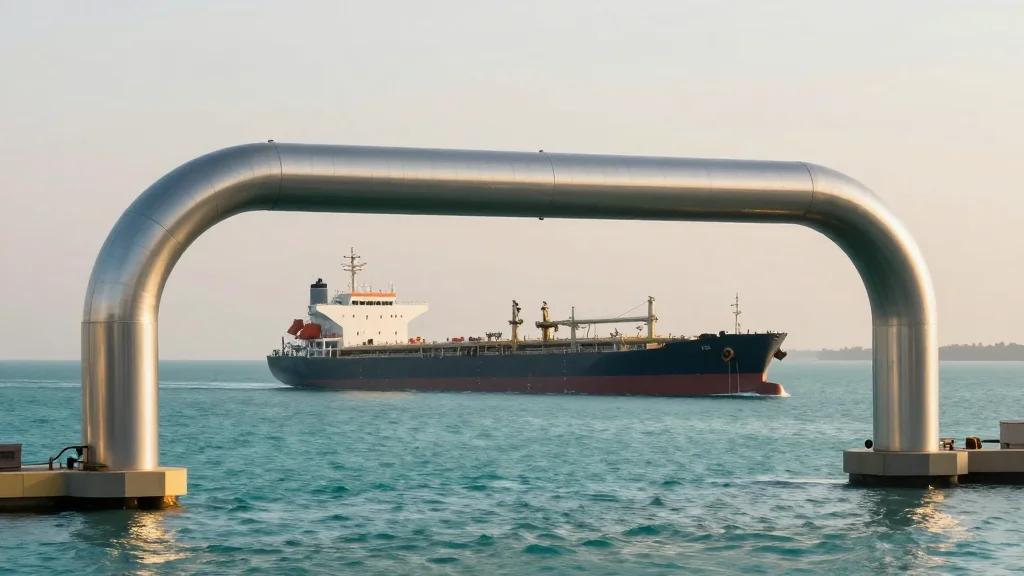
Why It Matters
The developments tighten global energy supply chains and amplify geopolitical risk, pressuring markets and diplomatic efforts to stabilize the region.
Key Takeaways
- •Iran deposits first Hormuz toll revenue into central bank.
- •Pentagon estimates six months to clear Iranian mines from Strait.
- •WTI oil climbs to $96.73 per barrel, Brent to $105.63.
- •US orders 31 vessels, mainly tankers, to turn back.
- •Israel airstrike kills Lebanese journalist, raising humanitarian concerns.
Pulse Analysis
The introduction of tolls on the Strait of Hormuz represents Tehran’s attempt to monetize a strategic chokepoint as part of its broader war financing strategy. By channeling the proceeds into the central bank, Iran signals a willingness to sustain its naval posture despite international pressure, while also testing the resilience of global shipping routes that underpin a significant share of world oil trade. Analysts note that this move could set a precedent for other contested waterways, reshaping how conflict zones generate revenue.
Oil markets reacted sharply to the heightened uncertainty, with West Texas Intermediate surging above $96 per barrel and Brent breaching $105. The Pentagon’s six‑month mine‑clearance timeline suggests that the strait will remain a hazardous passage, likely keeping freight rates elevated and prompting shippers to seek alternative routes. Concurrently, the U.S. Navy’s directive for 31 vessels to reverse course underscores a proactive blockade policy aimed at limiting Iran’s leverage, but it also risks further supply disruptions. Energy traders are closely monitoring how quickly the mines can be neutralized and whether diplomatic channels can de‑escalate the pricing pressure.
Beyond the economic fallout, the conflict’s human dimension deepened with the death of Lebanese journalist Amal Khalil in an Israeli strike, a stark reminder of the war’s civilian toll. The incident has intensified calls for adherence to international humanitarian law and could complicate ongoing ceasefire negotiations between Israel and Lebanon in Washington. As regional actors grapple with the dual pressures of security and diplomacy, the stability of the Hormuz corridor remains a barometer for broader Middle‑East peace prospects, influencing everything from global commodity flows to the strategic calculations of major powers.
War in the Middle East: latest developments
Comments
Want to join the conversation?
Loading comments...