Why It Matters
A wartime decision of this scale can dramatically shift presidential approval and reshape U.S. foreign‑policy dynamics, influencing elections and congressional oversight.
Key Takeaways
- •Trump ordered direct strikes on Iran’s nuclear facilities in June 2025.
- •March 2026 attacks targeted Iranian military and proxy command centers.
- •Historical precedent shows wartime actions can reshape presidential approval.
- •Potential escalation risks U.S. relations with Middle East allies.
- •Congressional oversight intensifies as war costs rise.
Pulse Analysis
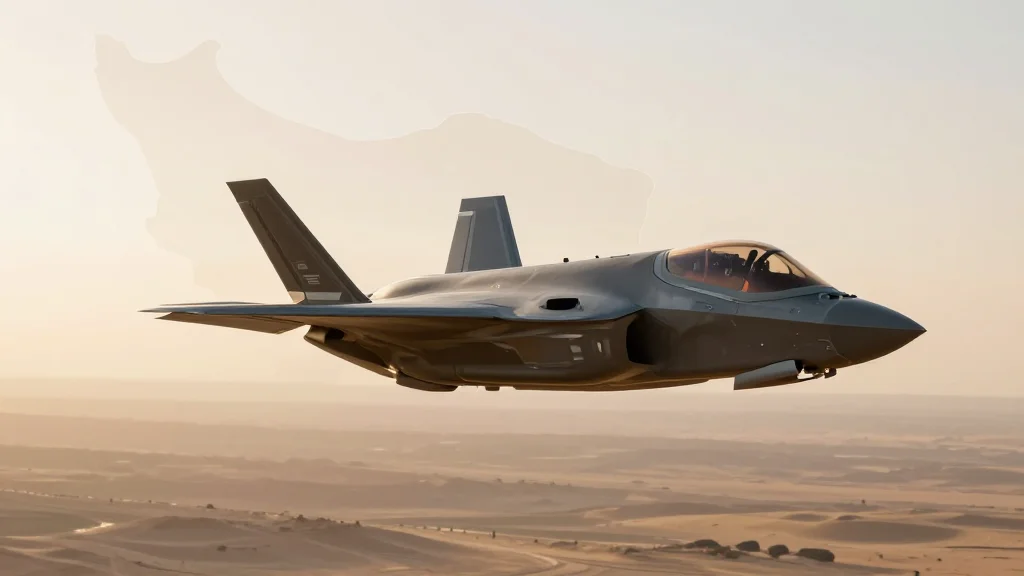
The Trump administration’s June 2025 decision to strike Iran’s nuclear program marked a stark departure from the diplomatic approaches of previous years. By targeting enrichment facilities, the United States signaled a willingness to use kinetic force to prevent a perceived existential threat. The subsequent March 2026 air and missile campaign expanded the scope, hitting command‑and‑control nodes and proxy networks across Iran. Analysts at RealClearDefense argue that such decisive action, while intended to neutralize Tehran’s capabilities, also thrust the president into a historic crucible where military outcomes directly influence political capital.
History offers a litmus test for how wars shape presidencies. World War II vaulted Franklin Roosevelt into an iconic wartime leader, whereas the protracted Vietnam conflict eroded public confidence in Lyndon Johnson and Richard Nixon. More recent examples, like the 1991 Gulf War, temporarily boosted George H.W. Bush’s approval, while the 2003 Iraq invasion contributed to the decline of George W. Bush’s standing. These patterns underscore that electoral fortunes often hinge on perceived success, casualty levels, and the clarity of mission objectives. Trump’s Iran campaign therefore carries the weight of precedent: a swift, decisive victory could reinforce his narrative of strength; a stalemate or escalation could fuel dissent.
Domestically, the strikes have already intensified congressional scrutiny. Lawmakers are demanding transparent cost assessments and clear exit strategies, fearing a costly quagmire that could strain the federal budget and destabilize regional alliances. Markets have reacted cautiously, with defense stocks rising but broader indices reflecting uncertainty about prolonged conflict. As the administration navigates the fallout, the Iran operation will likely become a defining chapter in Trump’s political saga, influencing everything from midterm election dynamics to the future posture of U.S. engagement in the Middle East.
Wars Make Or Break Presidencies
Comments
Want to join the conversation?
Loading comments...